Welcome to
2,839 people live in Trappe, where the median age is 44.4 and the average individual income is $47,391. Data provided by the U.S. Census Bureau.
Total Population
Median Age
Population Density
Average individual Income
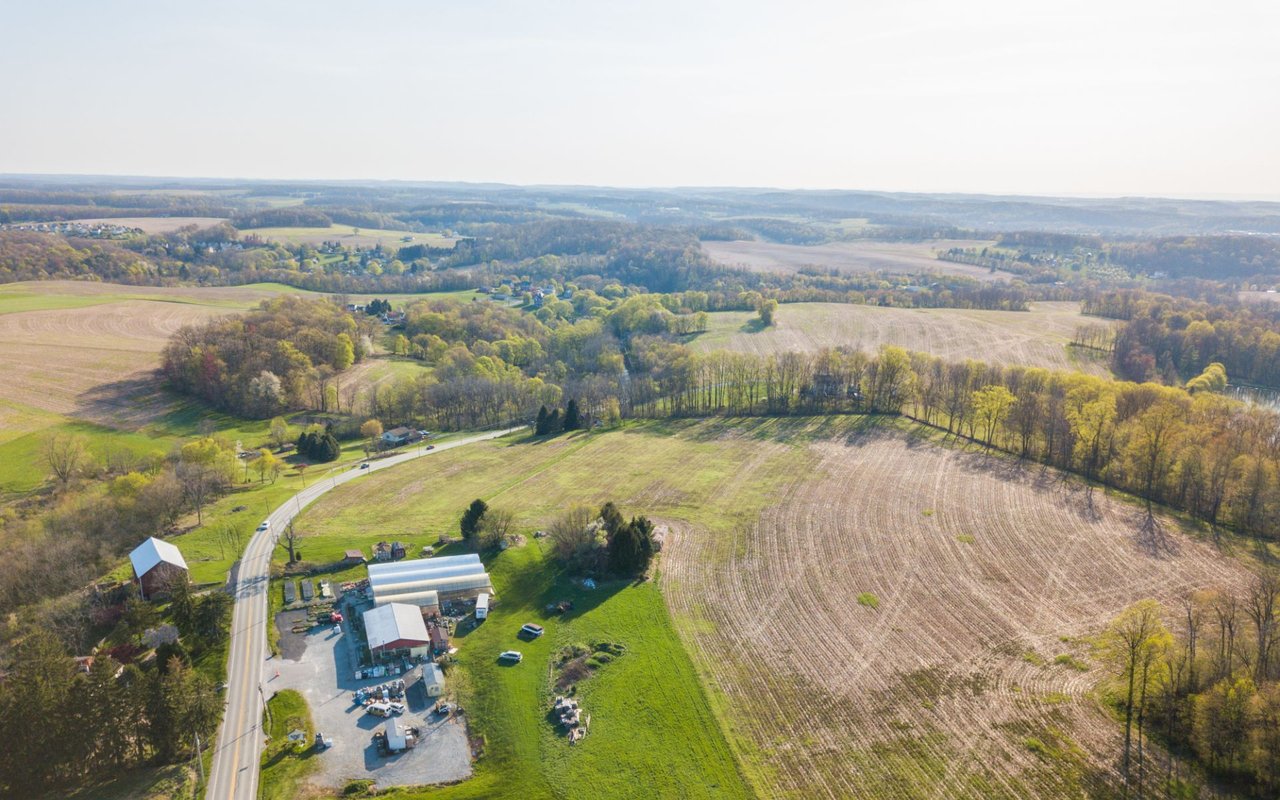
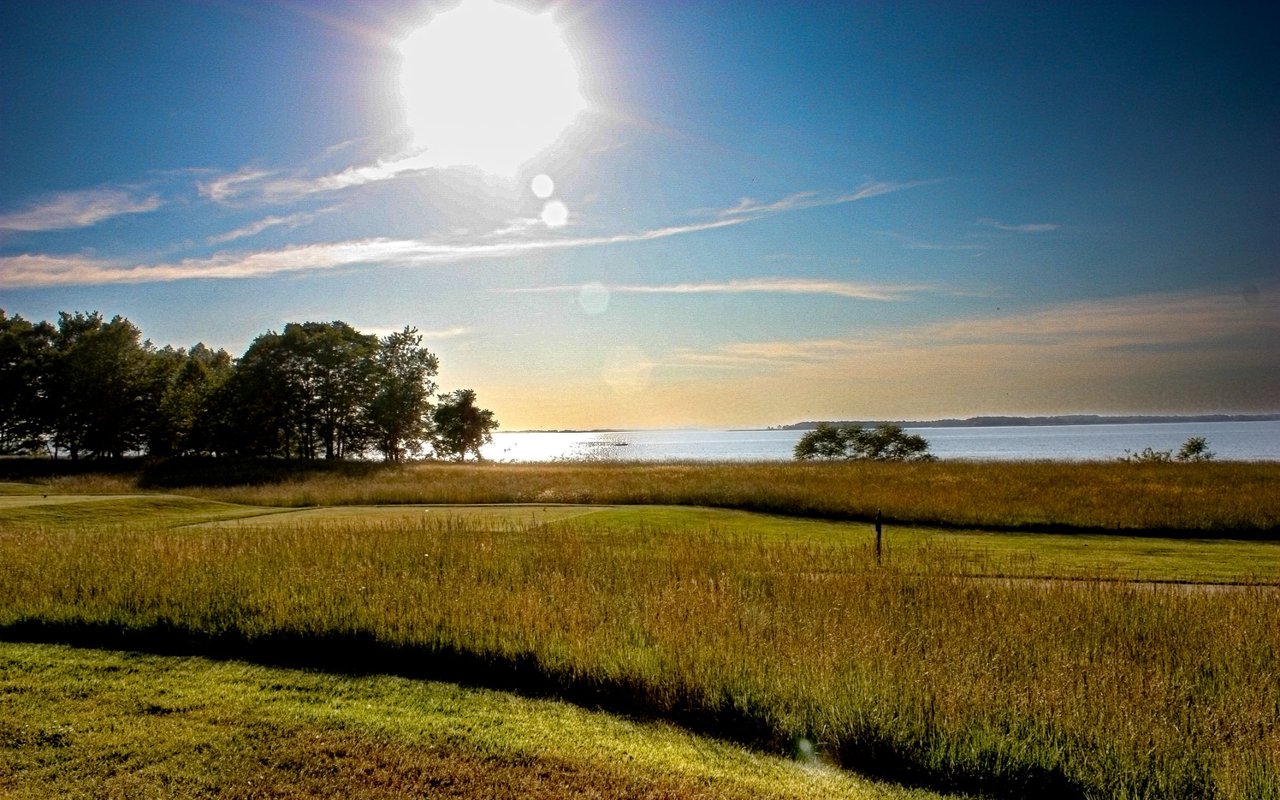
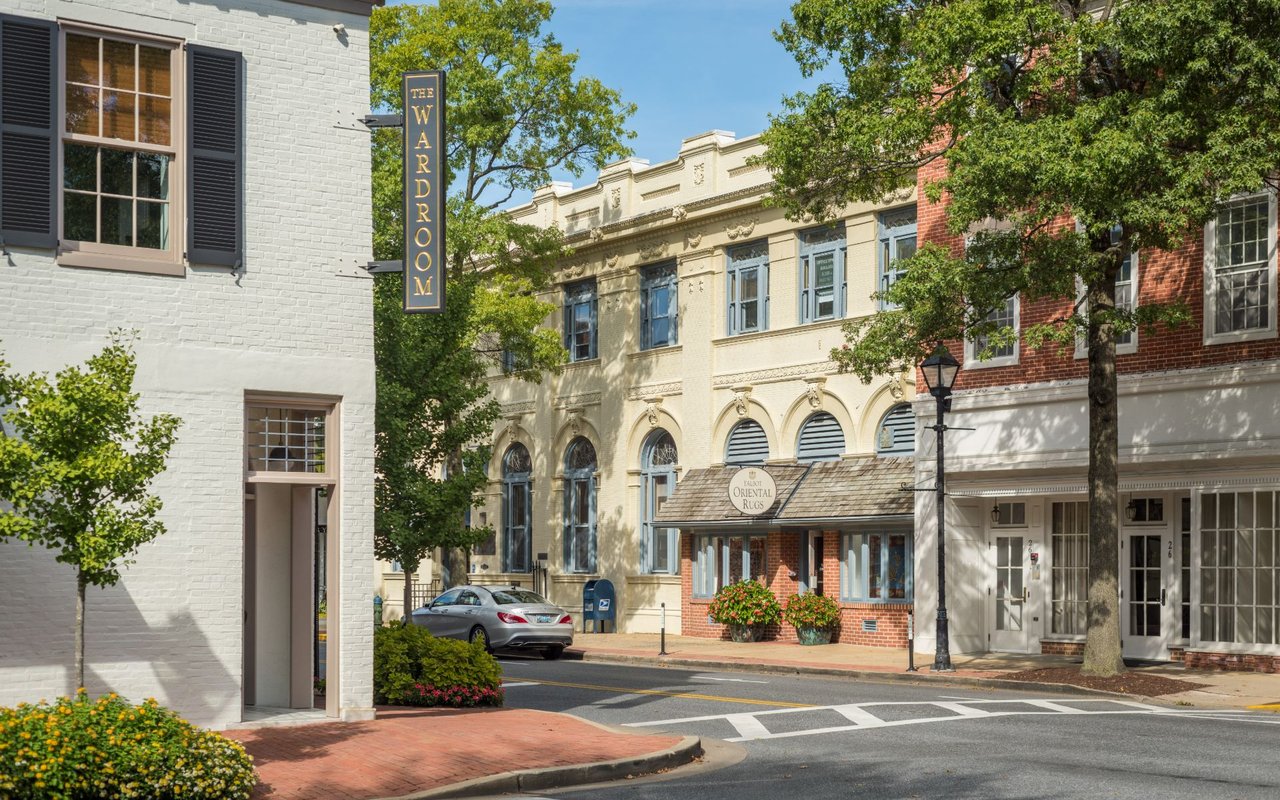
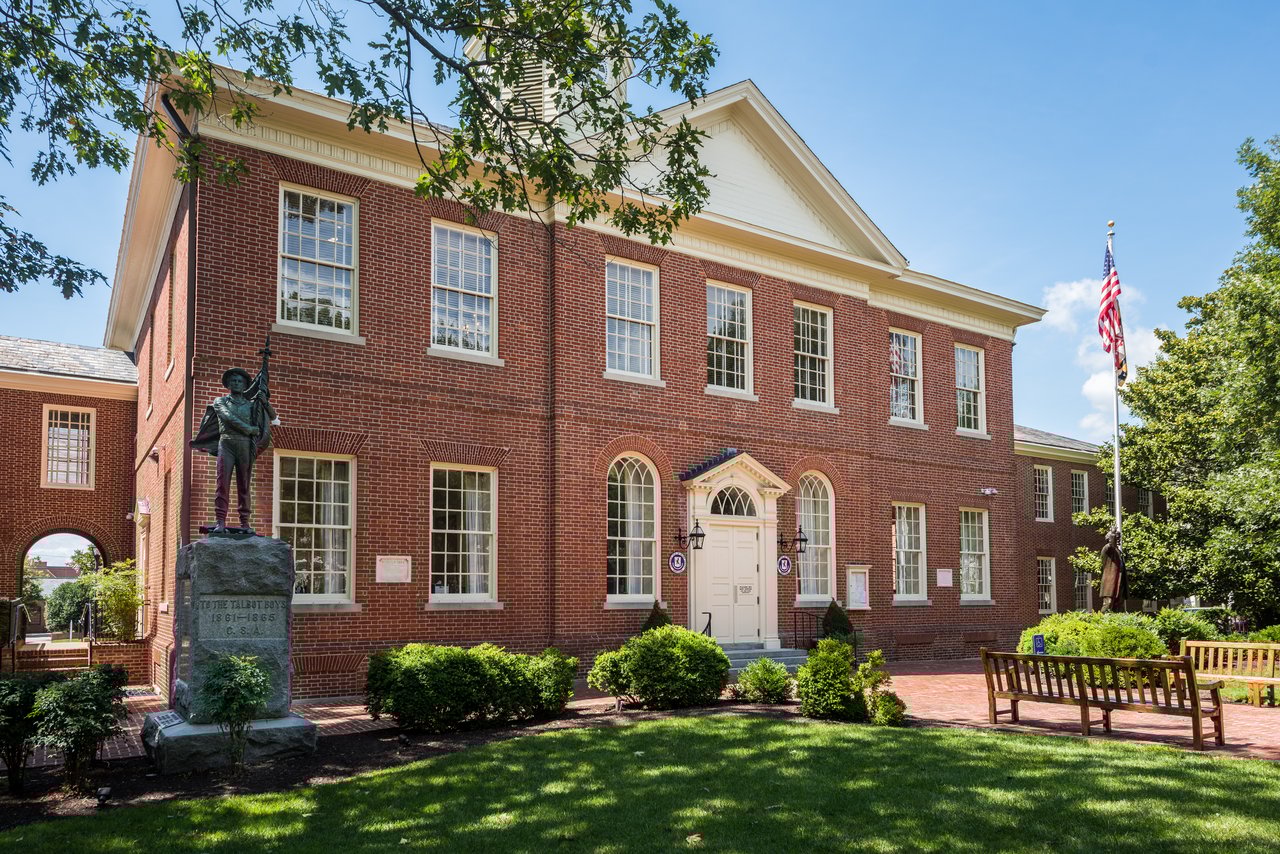
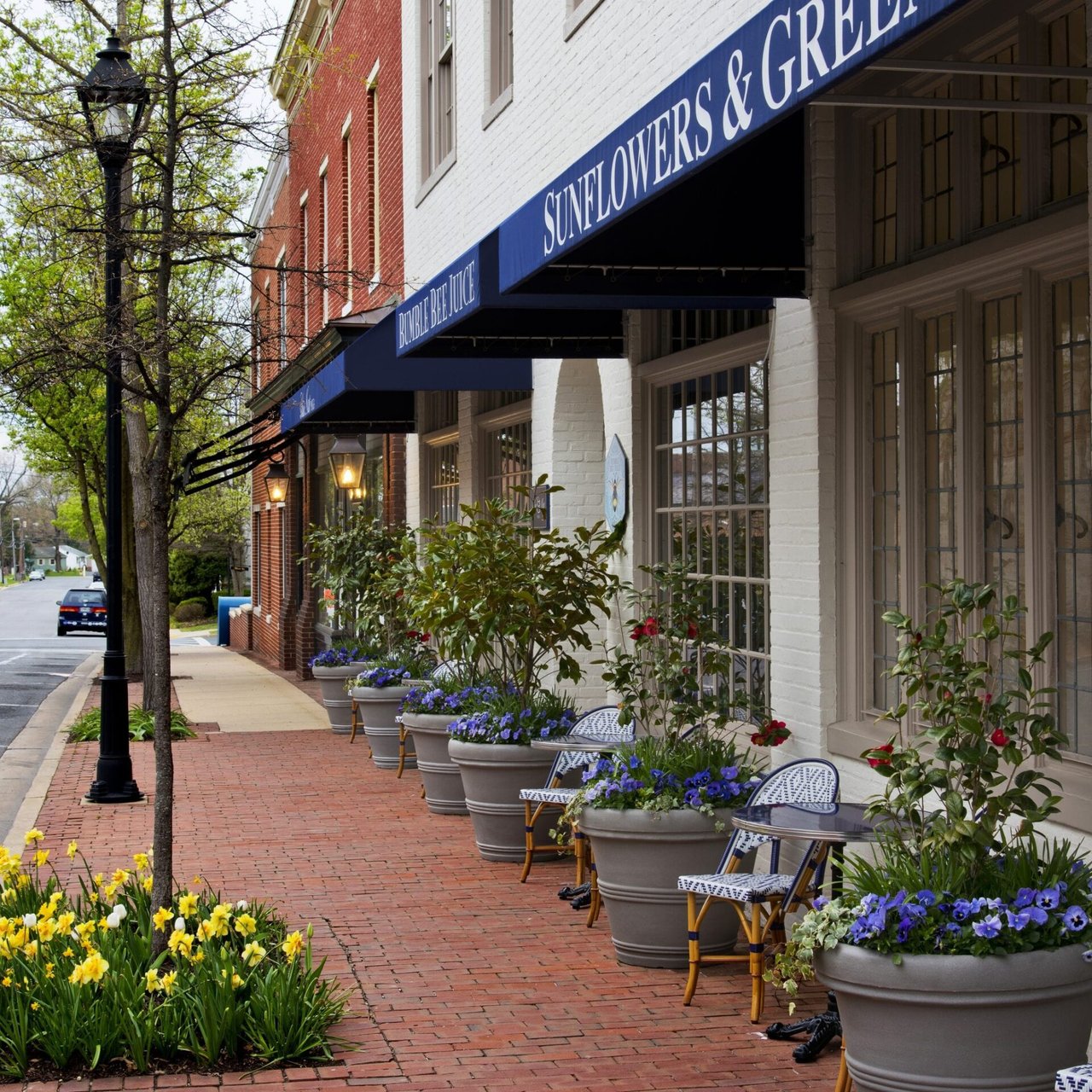
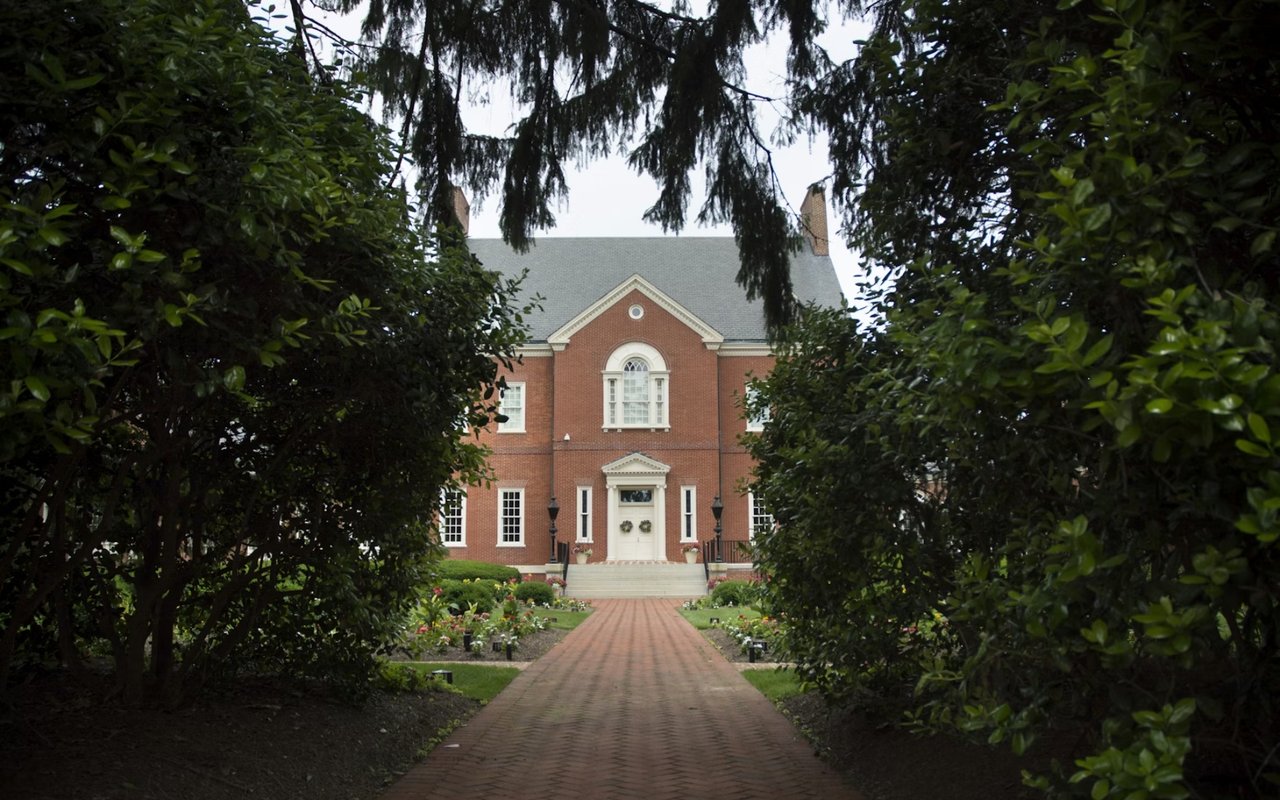
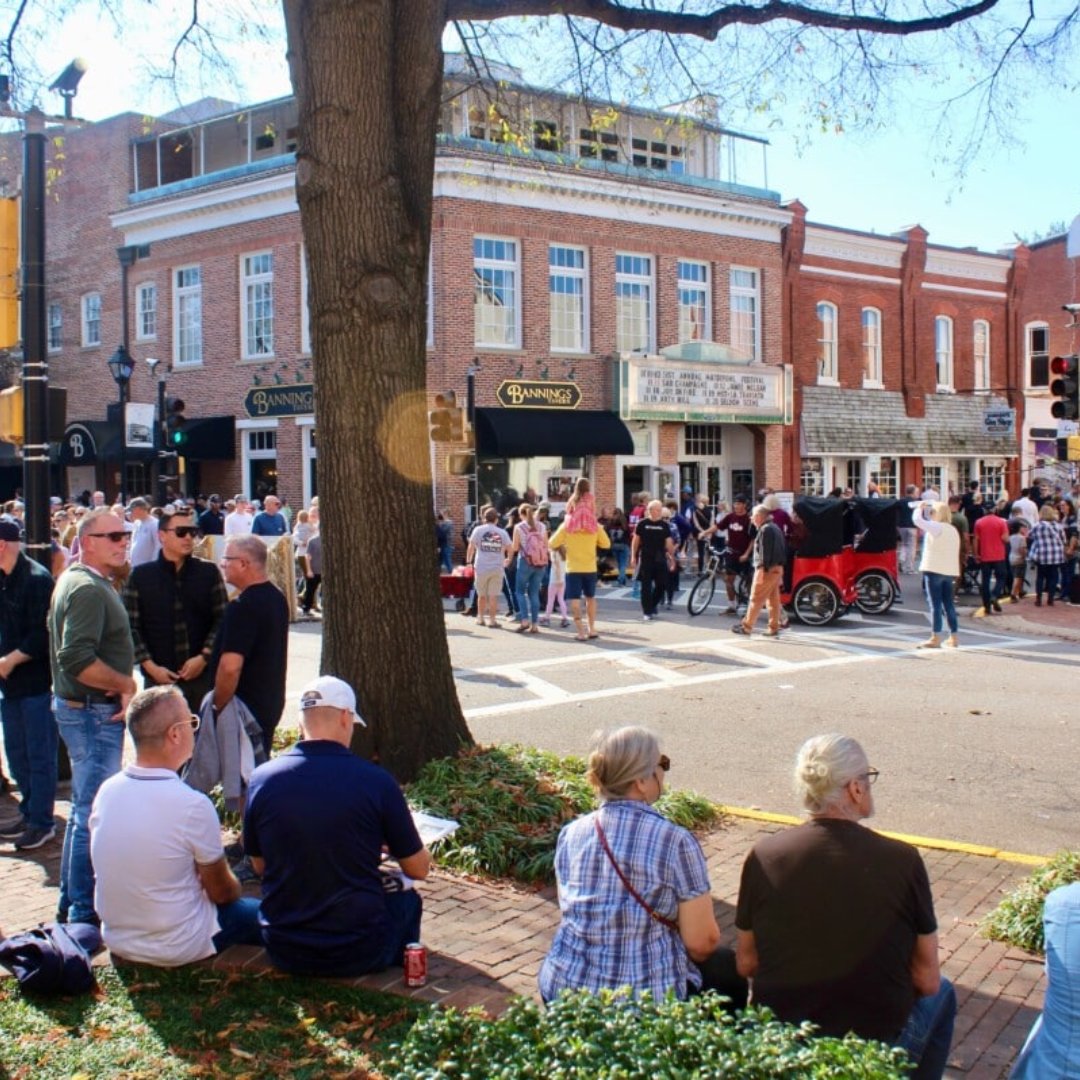
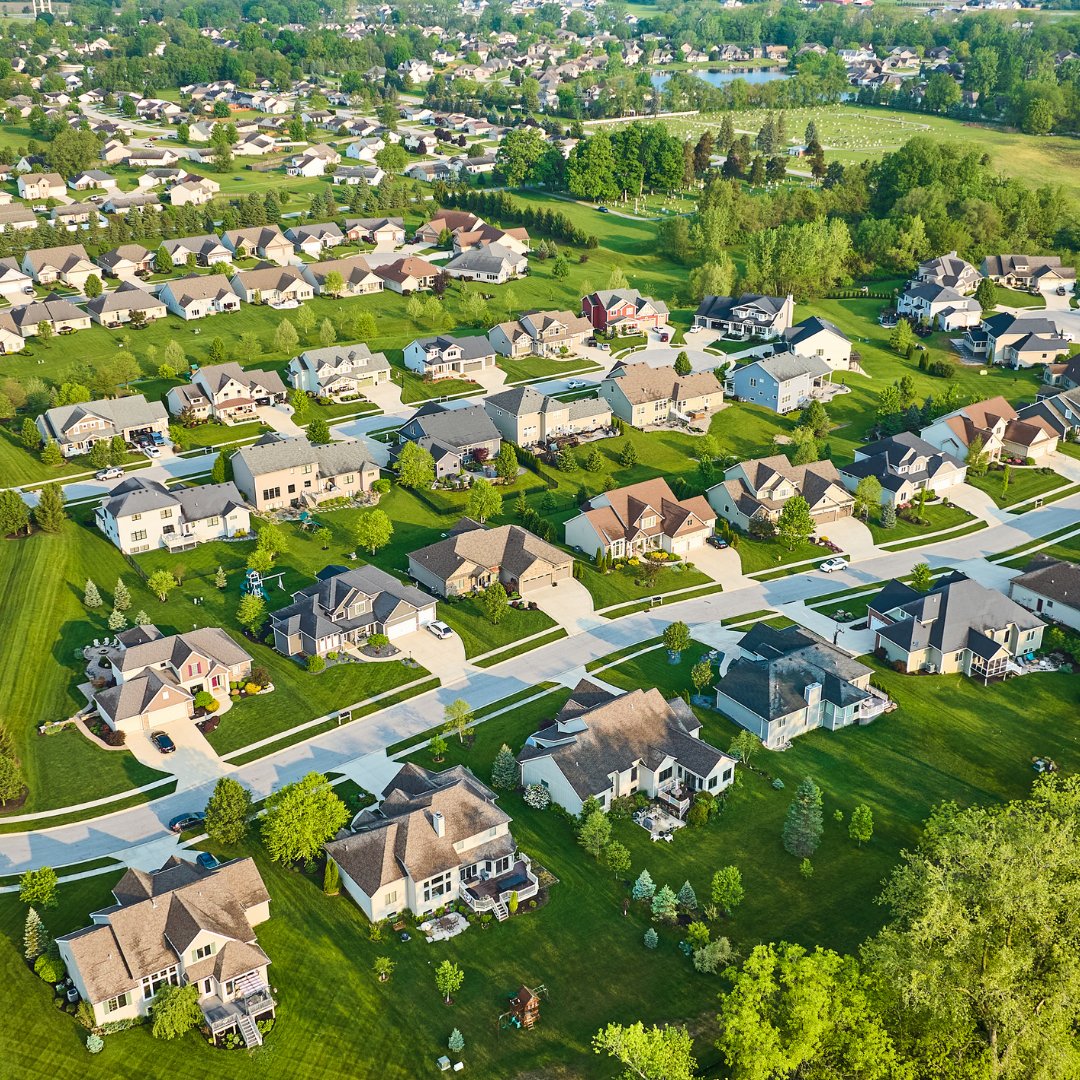
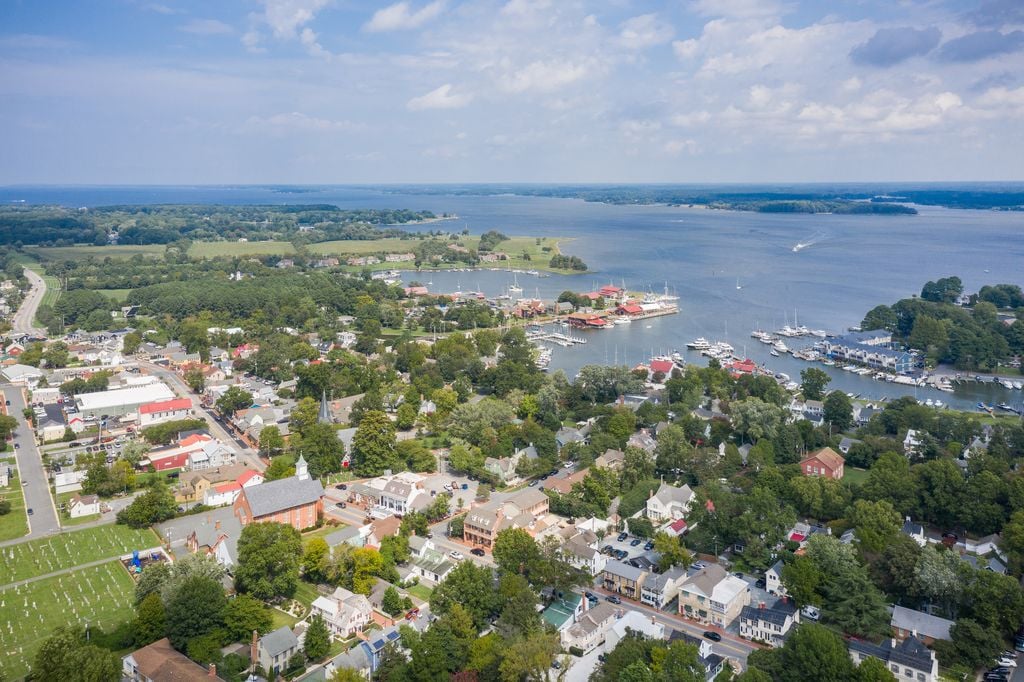
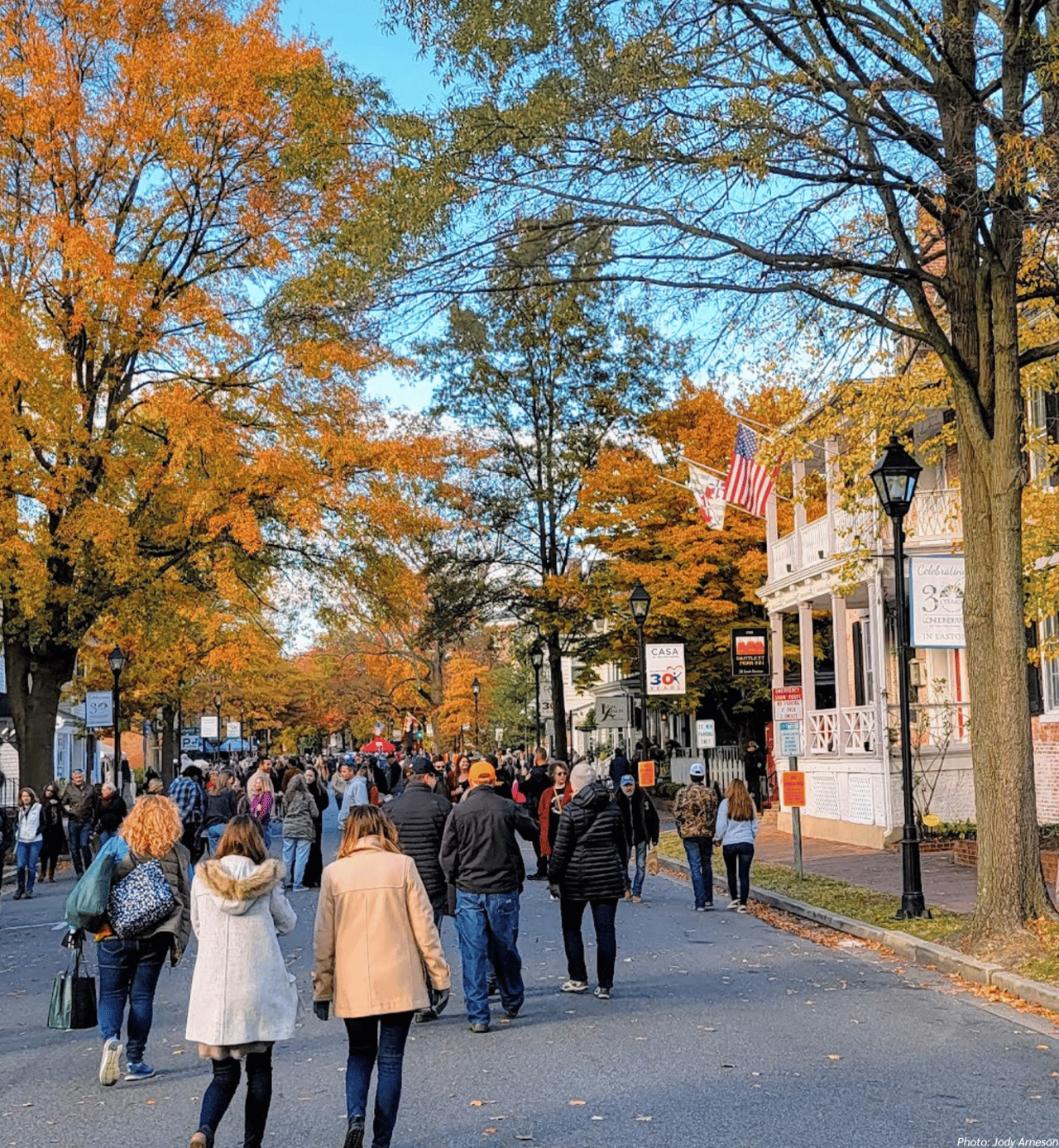
Tucked between Easton and Cambridge along the Route 50 corridor, Trappe is one of those rare Eastern Shore towns that has managed to grow without losing its sense of self. The historic district still looks much like it did a century ago, with brick storefronts standing where a 1900 fire reshaped the town, while just beyond the town line, master-planned communities and Choptank River estates are quietly redefining what it means to live in Talbot County. For buyers who want the prestige of a Talbot County address without the St. Michaels or Oxford price tag, Trappe has become one of the most compelling addresses on the Mid-Shore.
Trappe today is home to roughly 1,620 residents, and that number has been climbing at nearly five percent a year as buyers from across the Bay Bridge discover the town's mix of affordability, character, and access. The pace here is unhurried in the way only an Eastern Shore town can be: neighbors know one another, the post office doubles as a social hub, and the rhythm of the seasons is dictated as much by waterfowl migrations and rockfish runs as by the calendar.
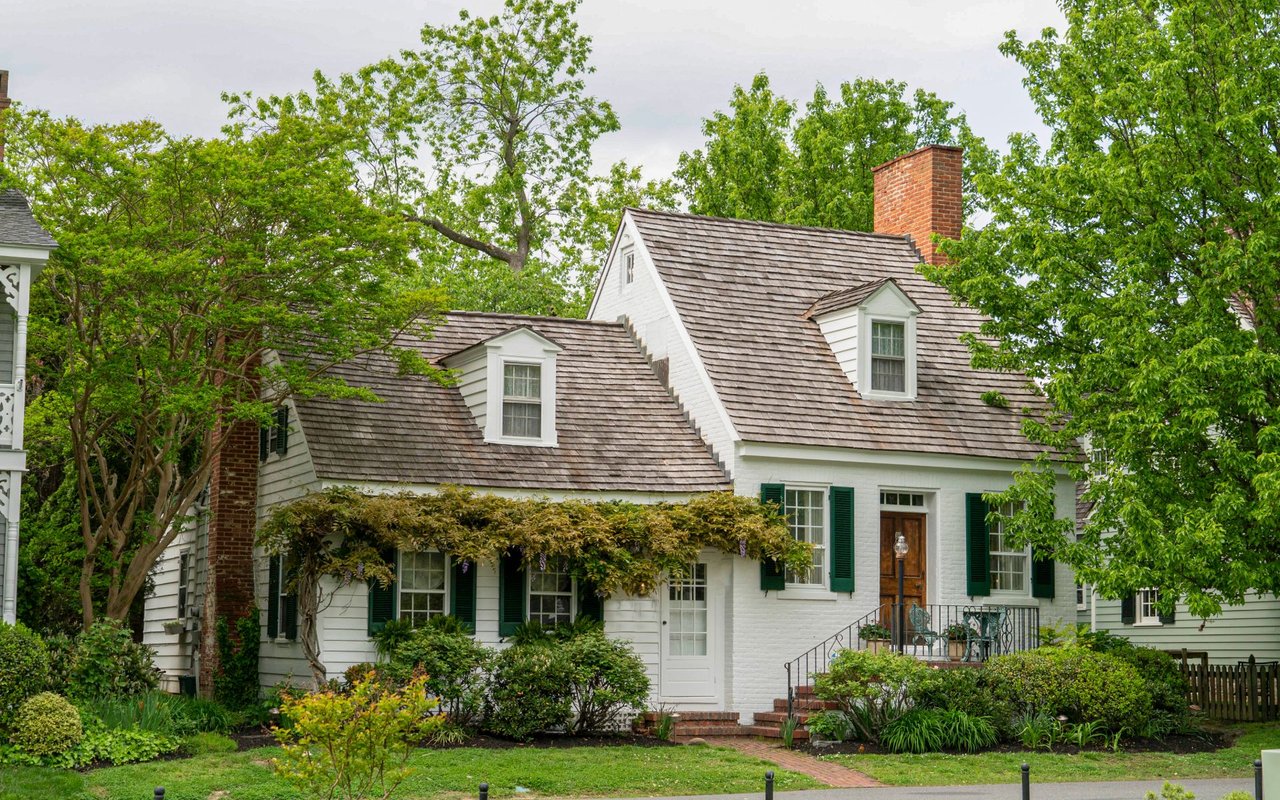
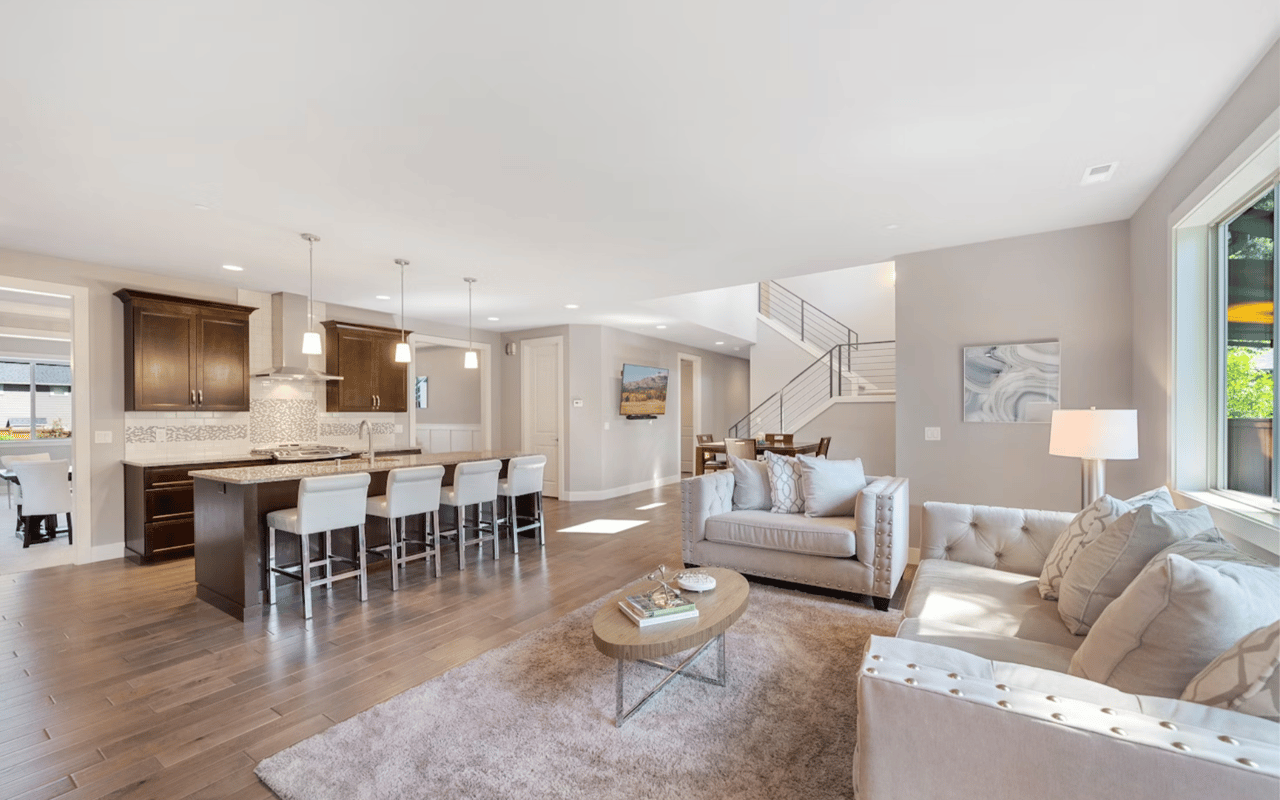
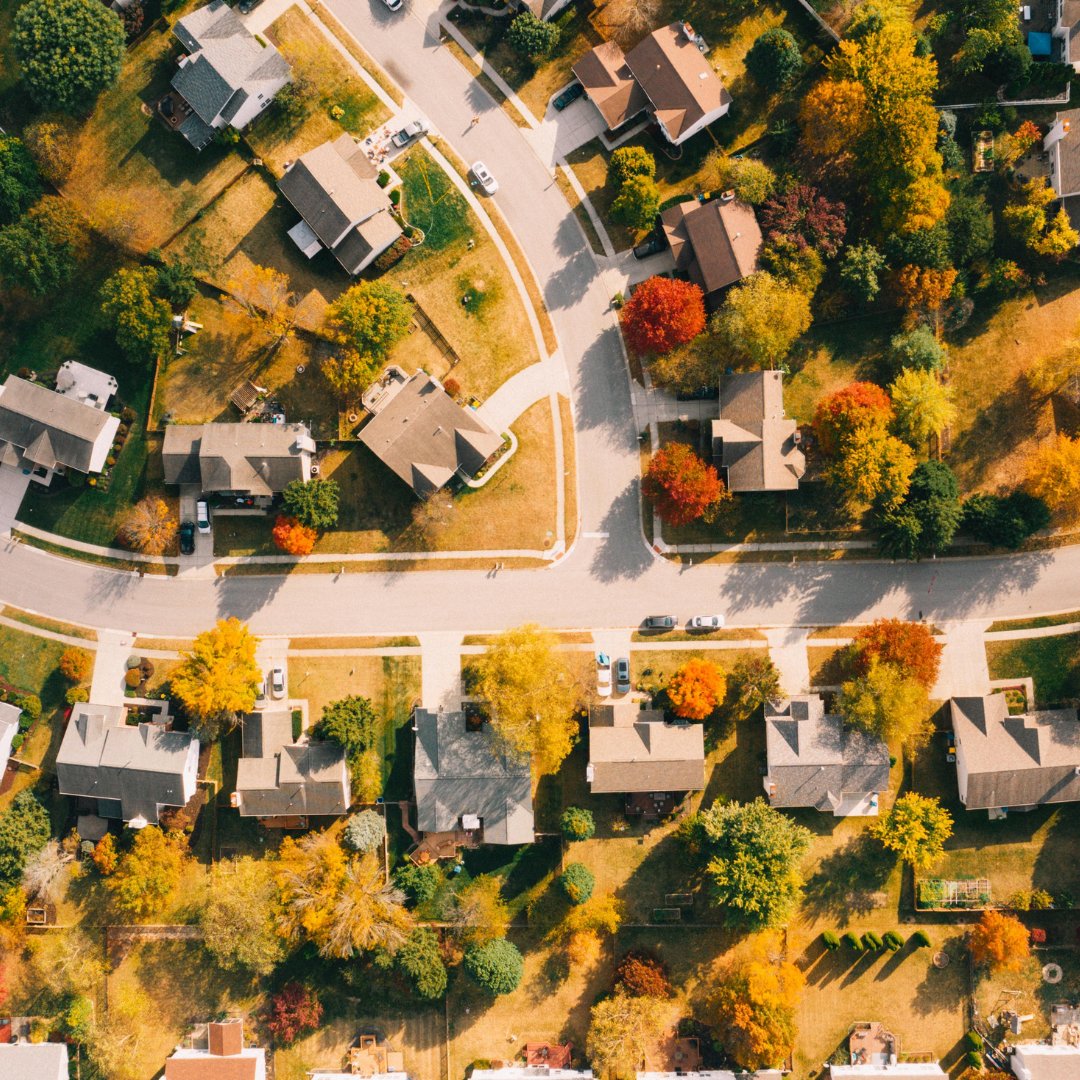
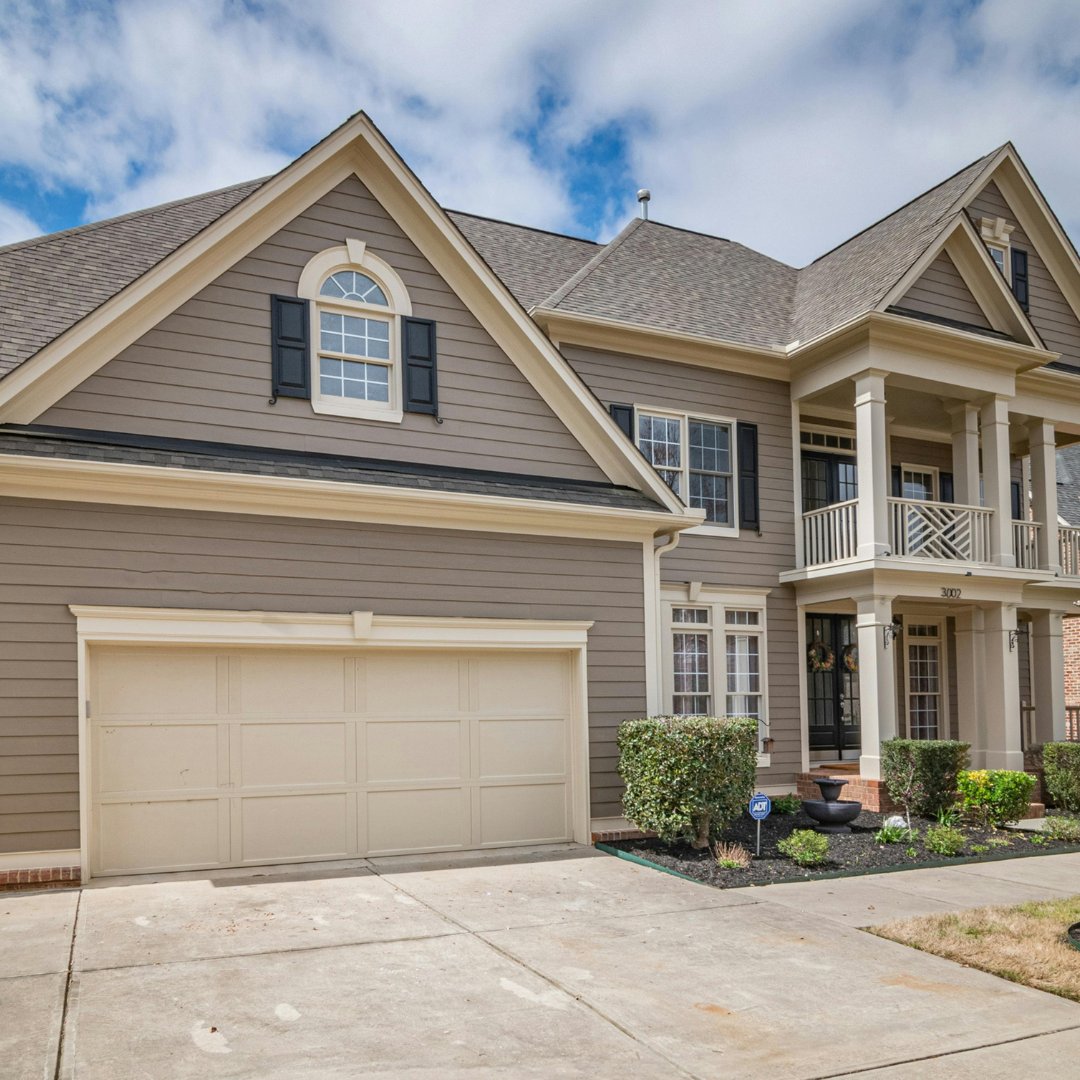
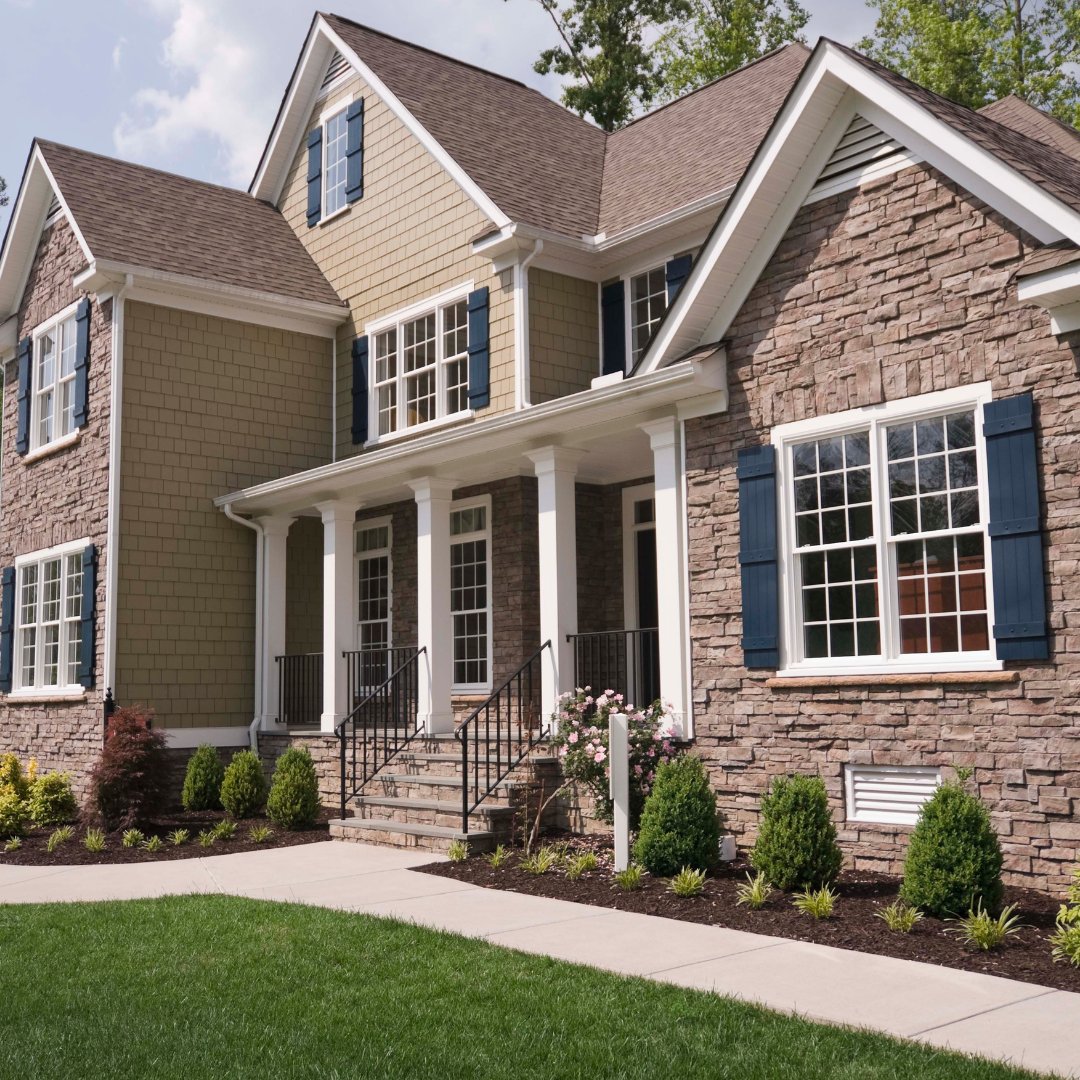
The housing stock reflects three centuries of building. You'll find 18th-century cottages and ornate Victorians along Main Street, mid-century homes on quiet side streets, and entirely new resort-style neighborhoods rising on the town's edges. The median household income sits around $60,917, lower than the county average, which is part of what makes Trappe such an attractive entry point for buyers who want Talbot County's quality of life without its highest price tags. And while most residents commute by car, Trappe has one of the highest walking rates of any small town in the region thanks to its tight, historic core.
Trappe's story begins in the late 1600s, when European colonists first settled the surrounding district, with the town itself taking shape as a hamlet between 1750 and 1760. The origin of the name has never been definitively settled, but two stories endure: one points to a wolf trap set by early settlers, the other to a local tavern nicknamed "The Trap," where travelers reportedly found themselves pleasantly stuck in good company.
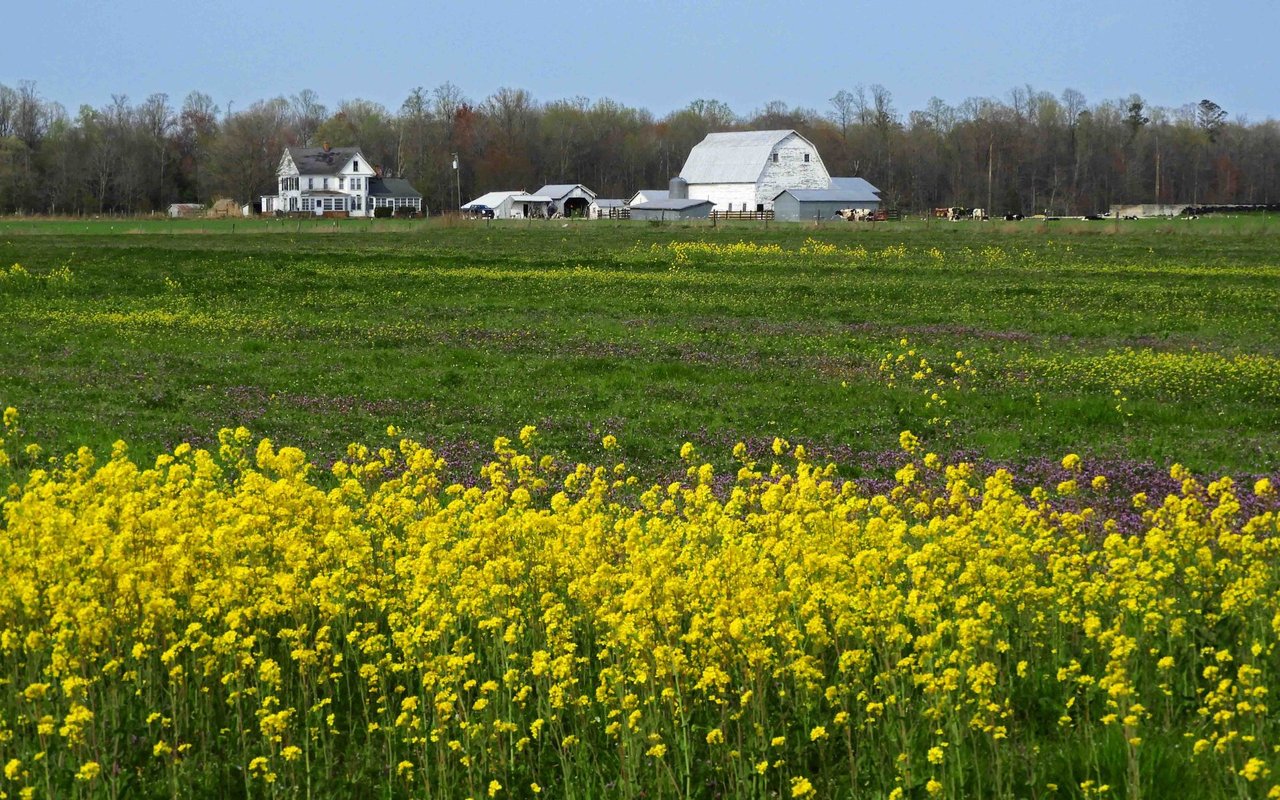
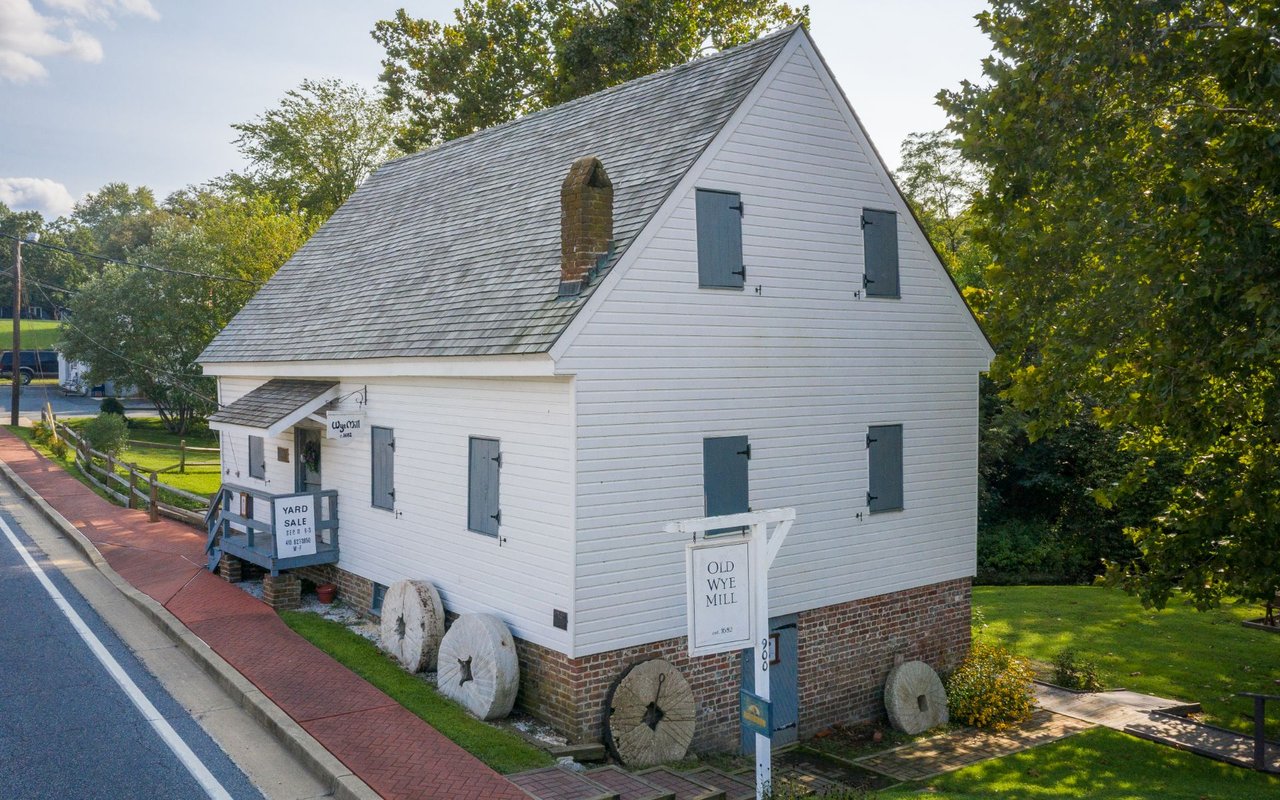
The town was formally incorporated by the Maryland General Assembly in 1856, and for much of the 19th and early 20th centuries it thrived as an agricultural hub. Canneries like the Defender Packing Company processed tomatoes and corn from surrounding farms, and the ruins of those operations are still visible today. A devastating fire in 1900 wiped out much of the wooden business district, which is why so much of what stands today is brick. Historian Dickson Preston, author of Trappe: The Story of an Old-Fashioned Town, famously described Trappe as the place where "nothing ever happened in 300 years"—a line locals wear with pride. The Rural Life Museum in the center of town preserves much of this heritage, including the early 20th-century Carriage House and artifacts from the wider Trappe District.
What makes Trappe distinct from other Eastern Shore towns is the way daily life still revolves around a handful of genuine community anchors. Saturday mornings might mean a plant sale at the Rural Life Museum followed by lunch at Momma Maria's. Fall weekends are spent in duck blinds along the Choptank. Spring brings youth soccer and T-ball at Trappe Park, and December centers on "Cookies with Santa" at the museum.
There's also a practical side to the lifestyle that buyers should understand. Because Trappe sits on Route 50, residents enjoy the quiet of a town of 1,600 while being ten minutes from Easton's hospital, shopping, and arts scene to the north and ten minutes from Cambridge's restaurants and breweries to the south. It's the rare small town where you can be deeply rural without being remote.
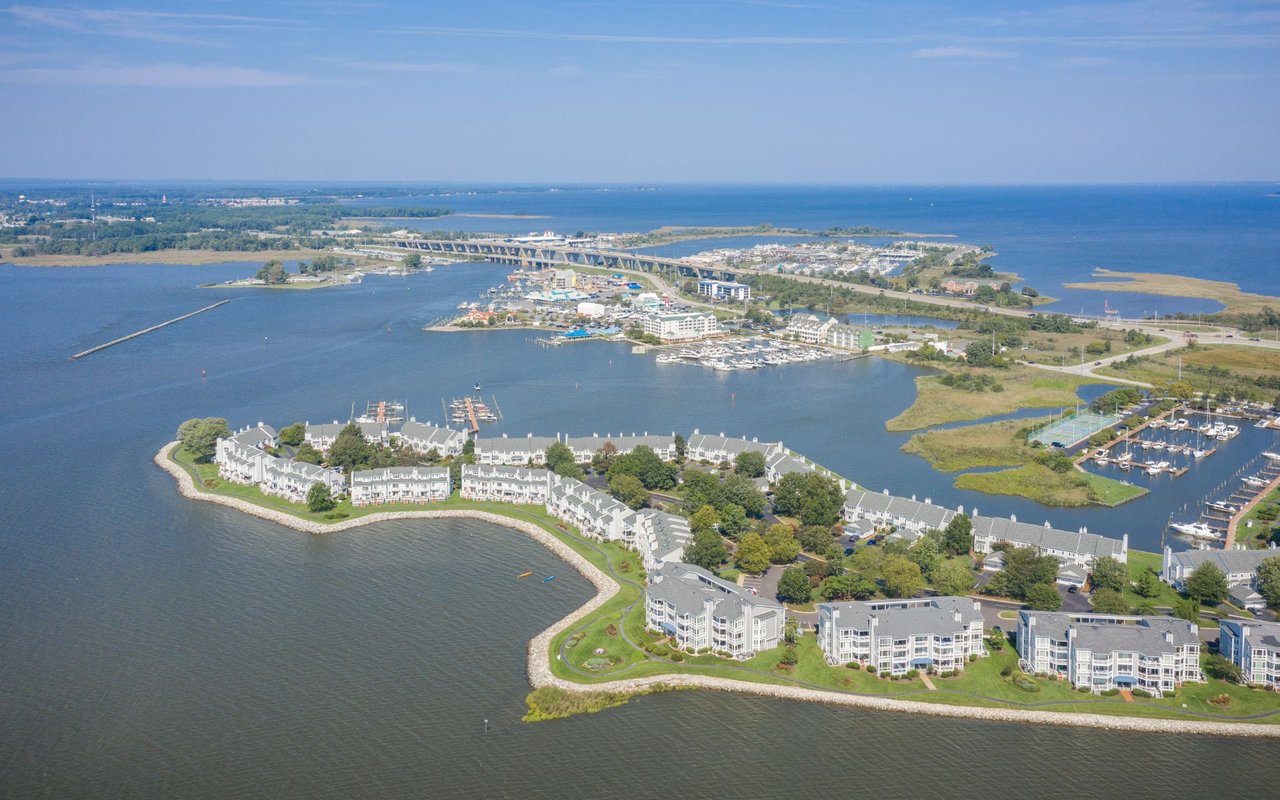
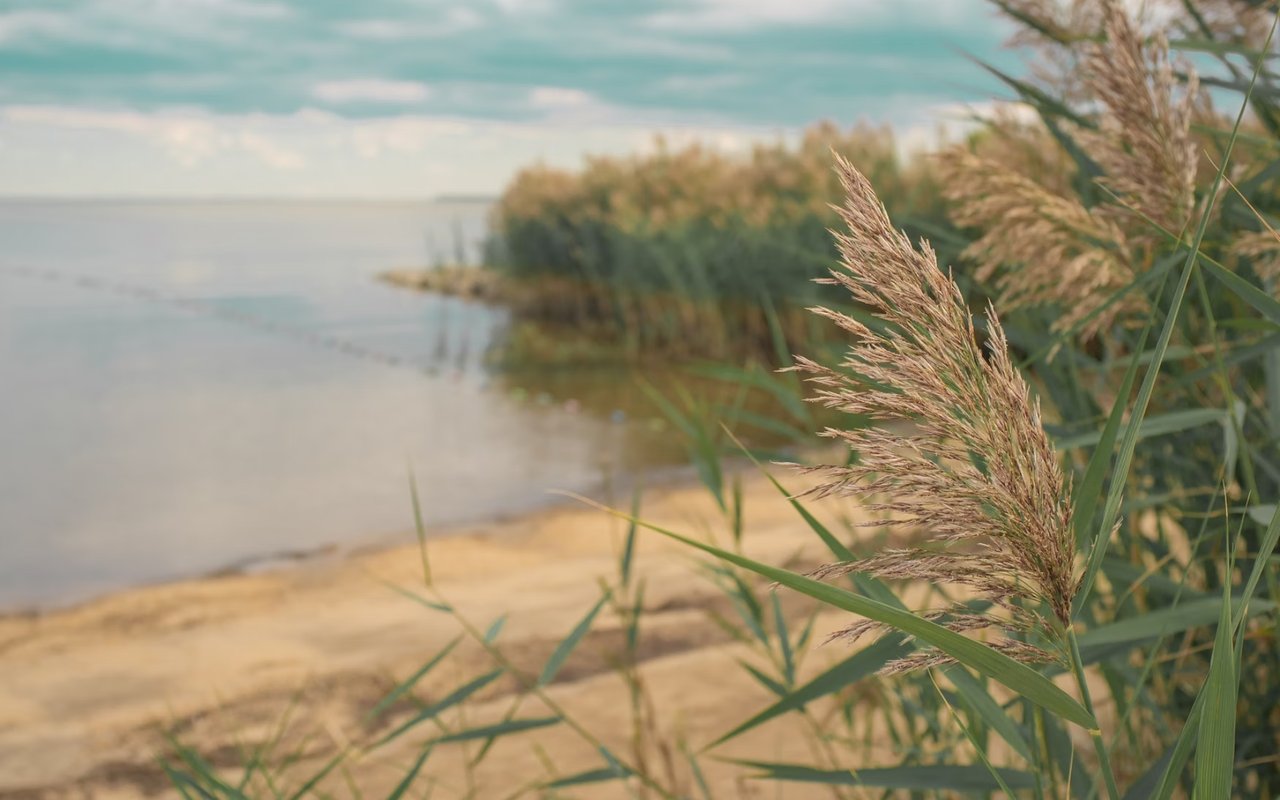
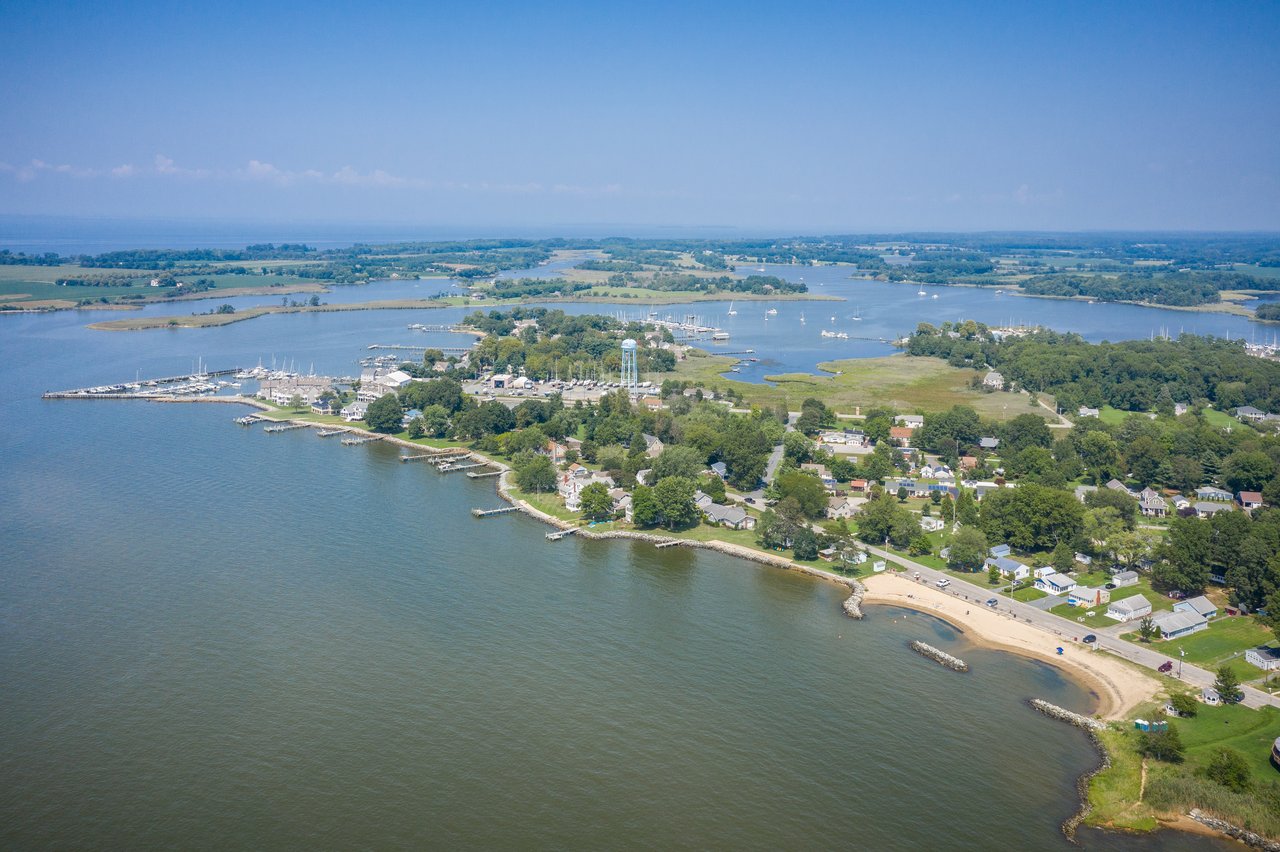
The town center itself is inland, but the 21673 zip code stretches all the way to the Choptank River, one of the largest tributaries of the Chesapeake Bay. For buyers focused on waterfront living, this is where Trappe begins to compete directly with Talbot County's more famous water towns—often at a significantly lower entry point.
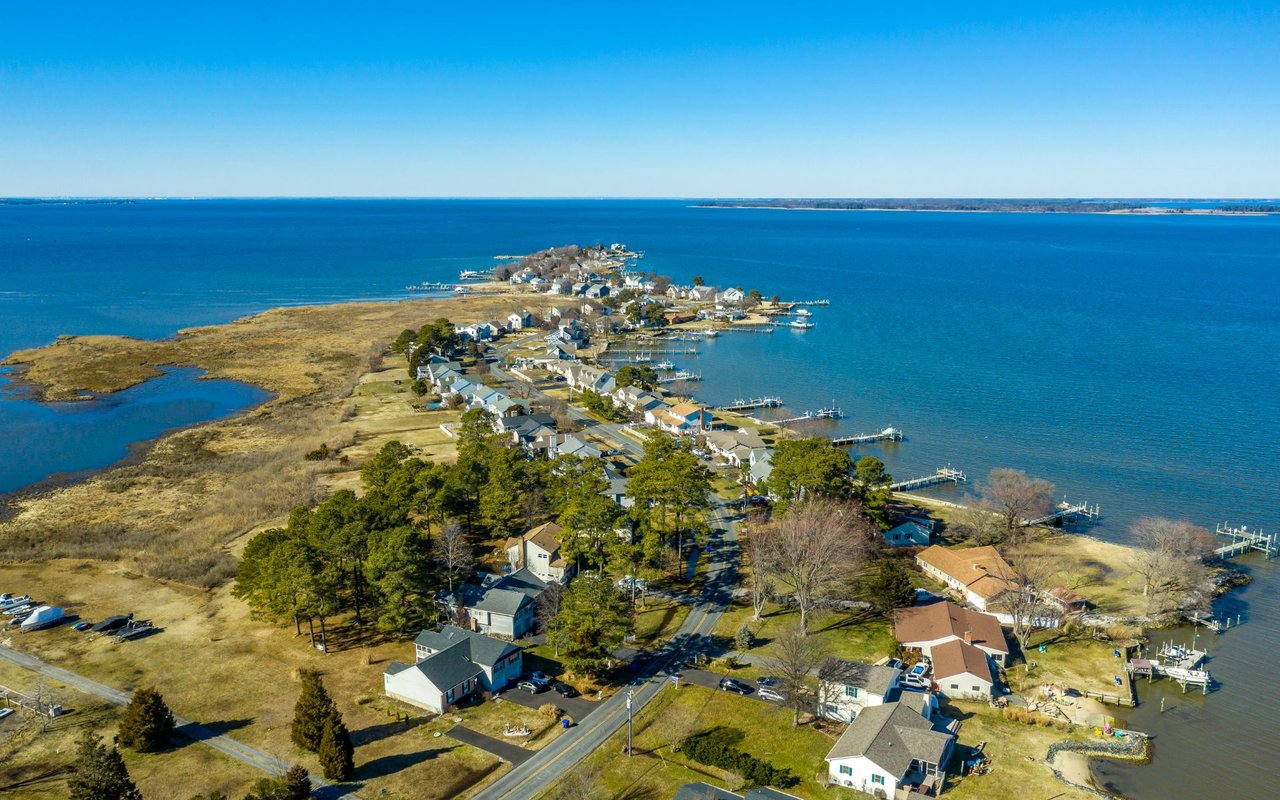
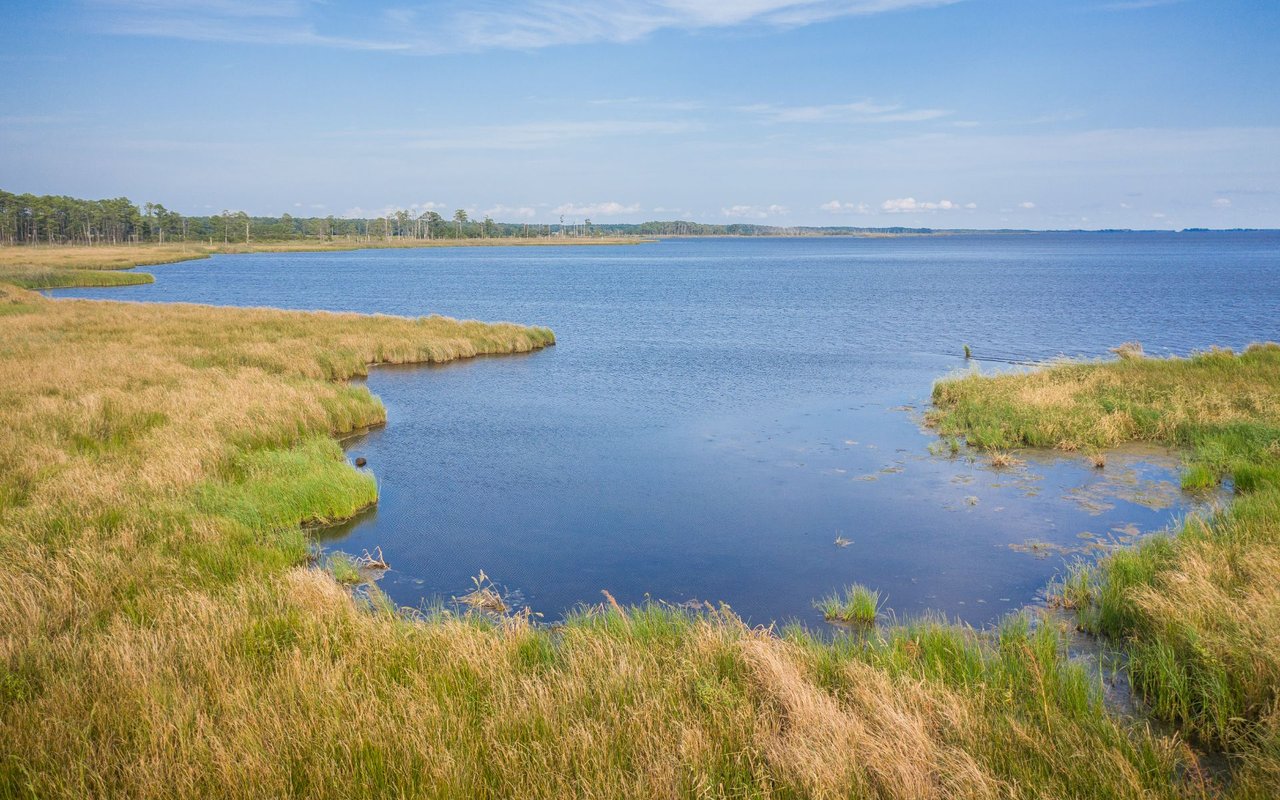
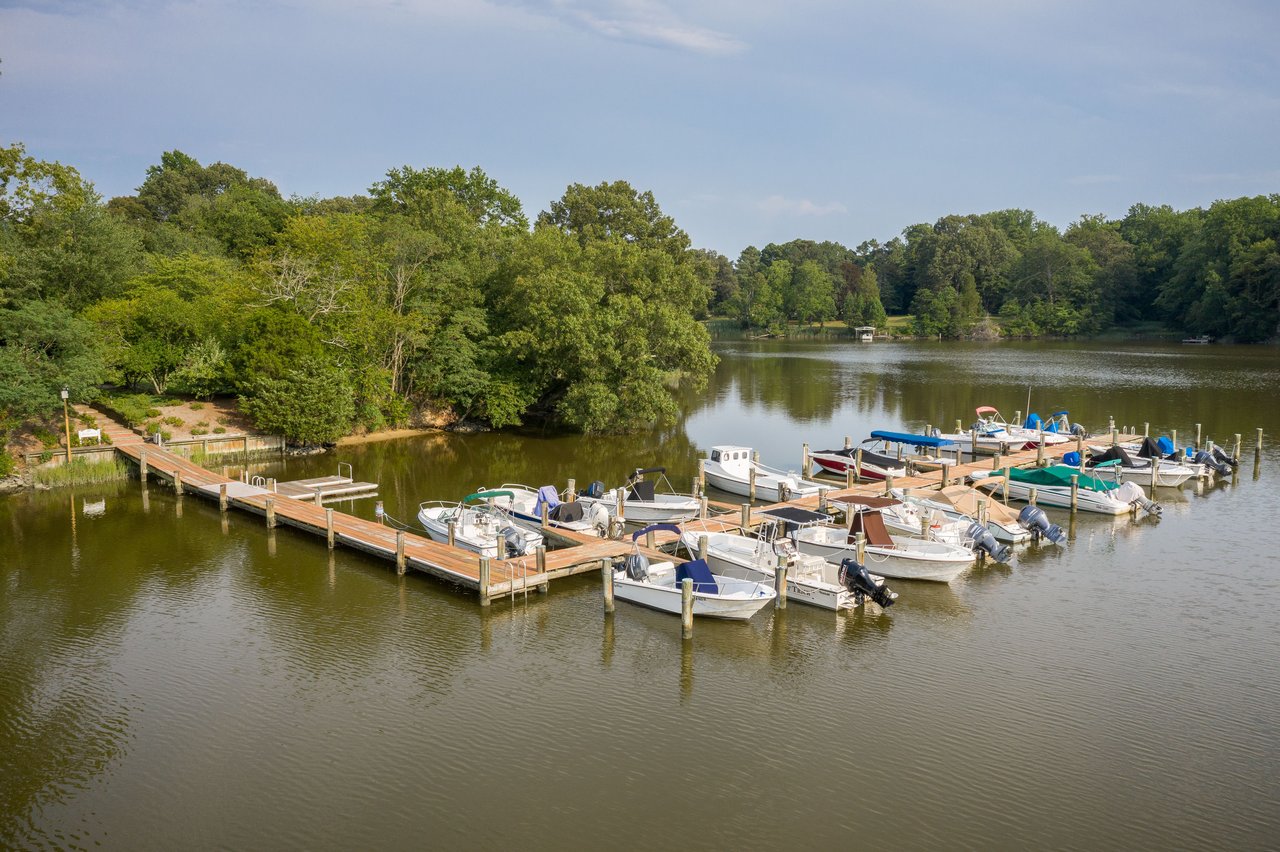
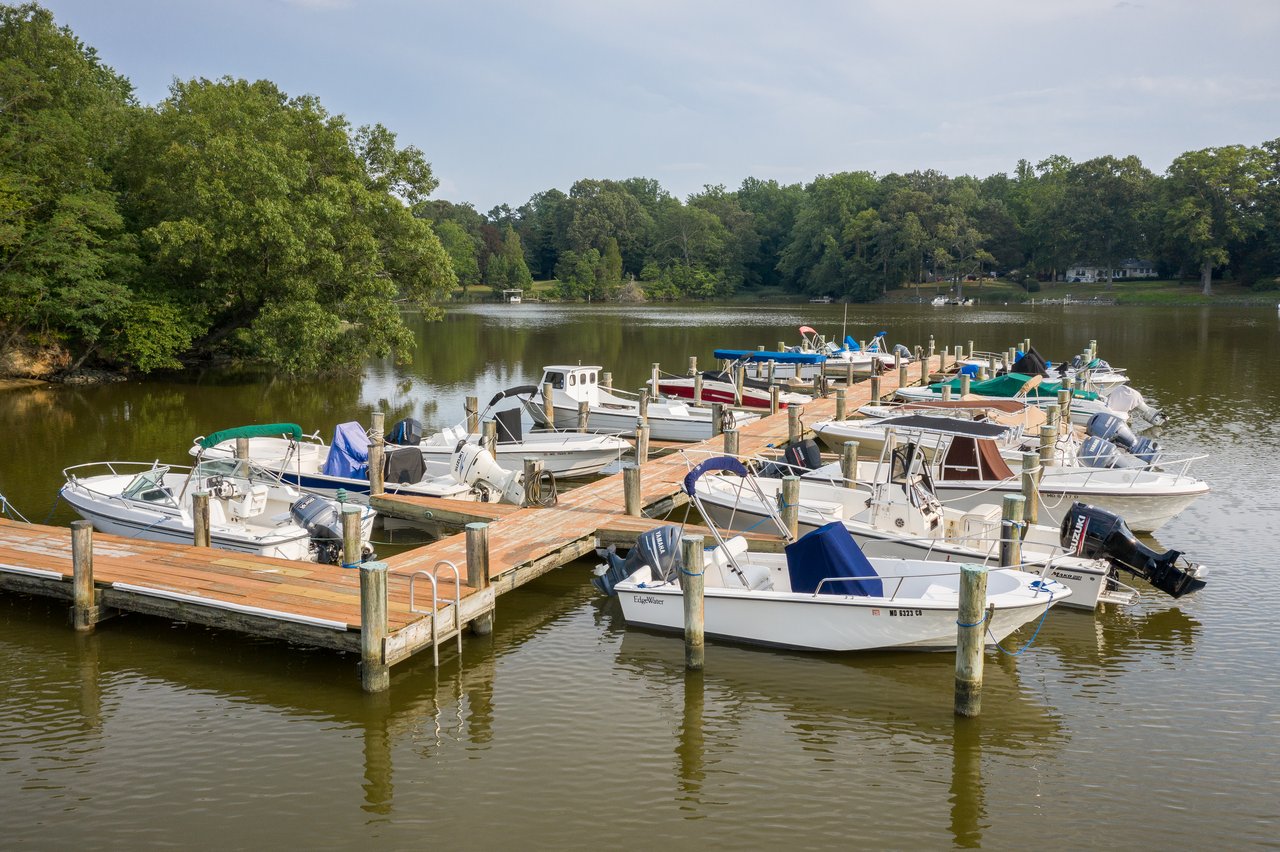
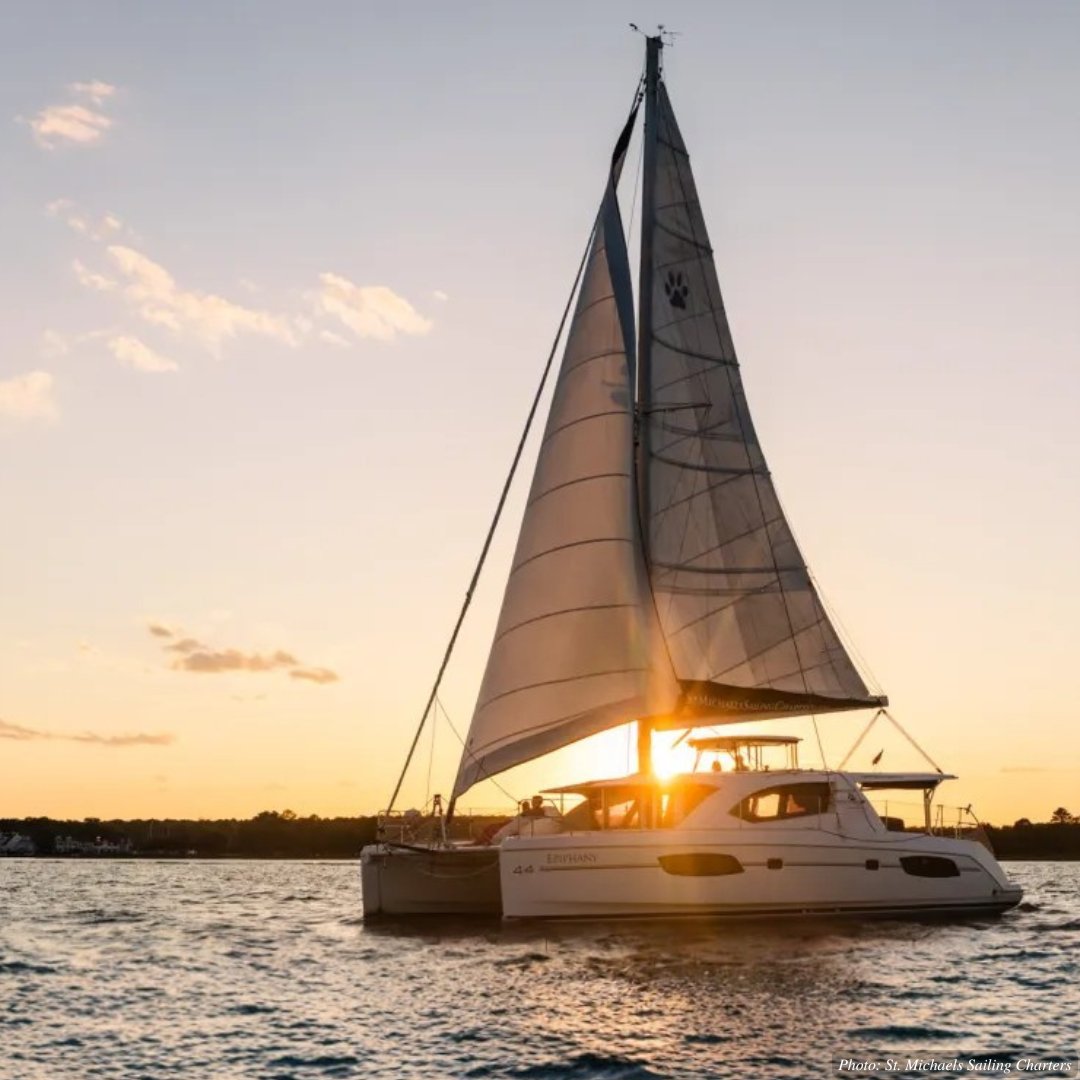
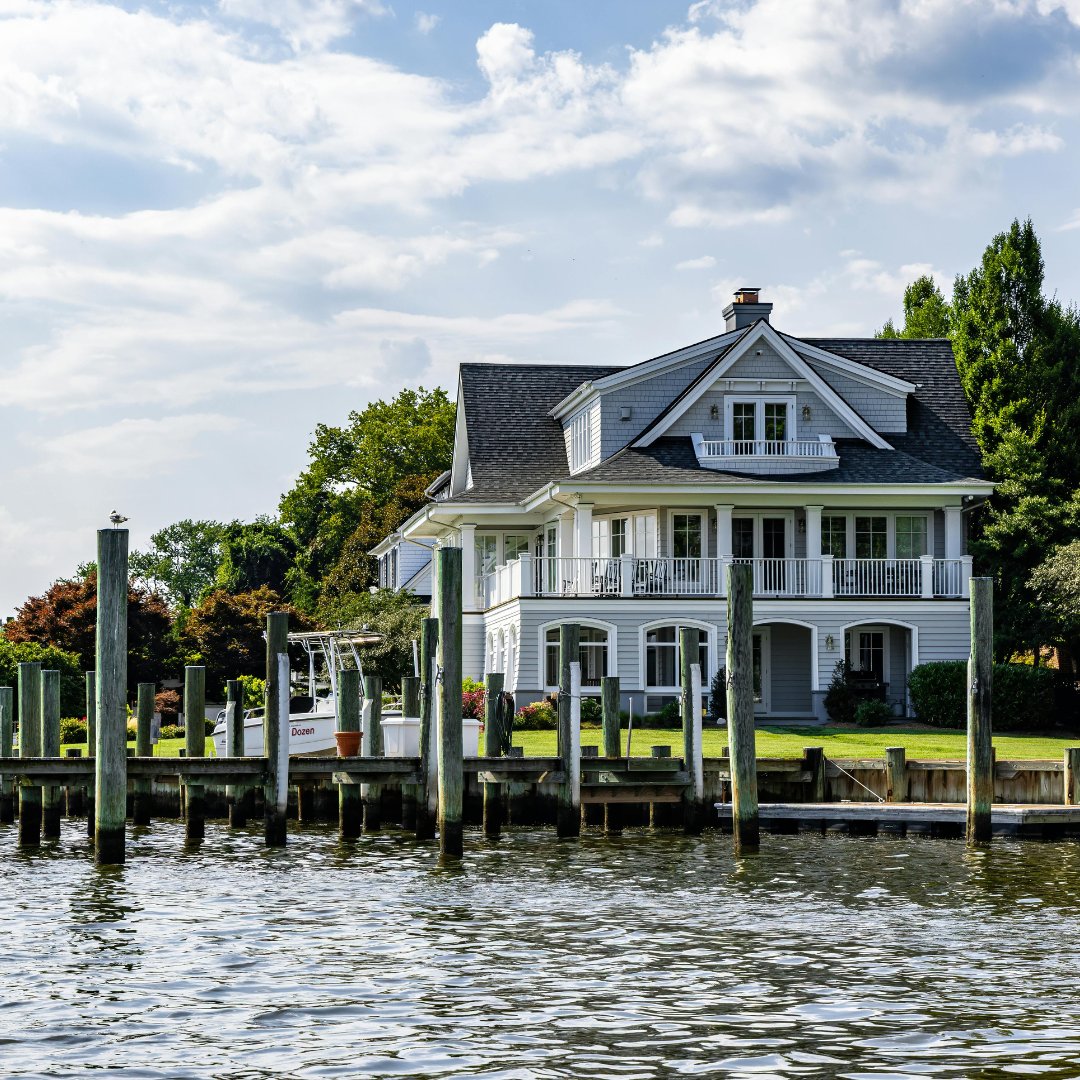
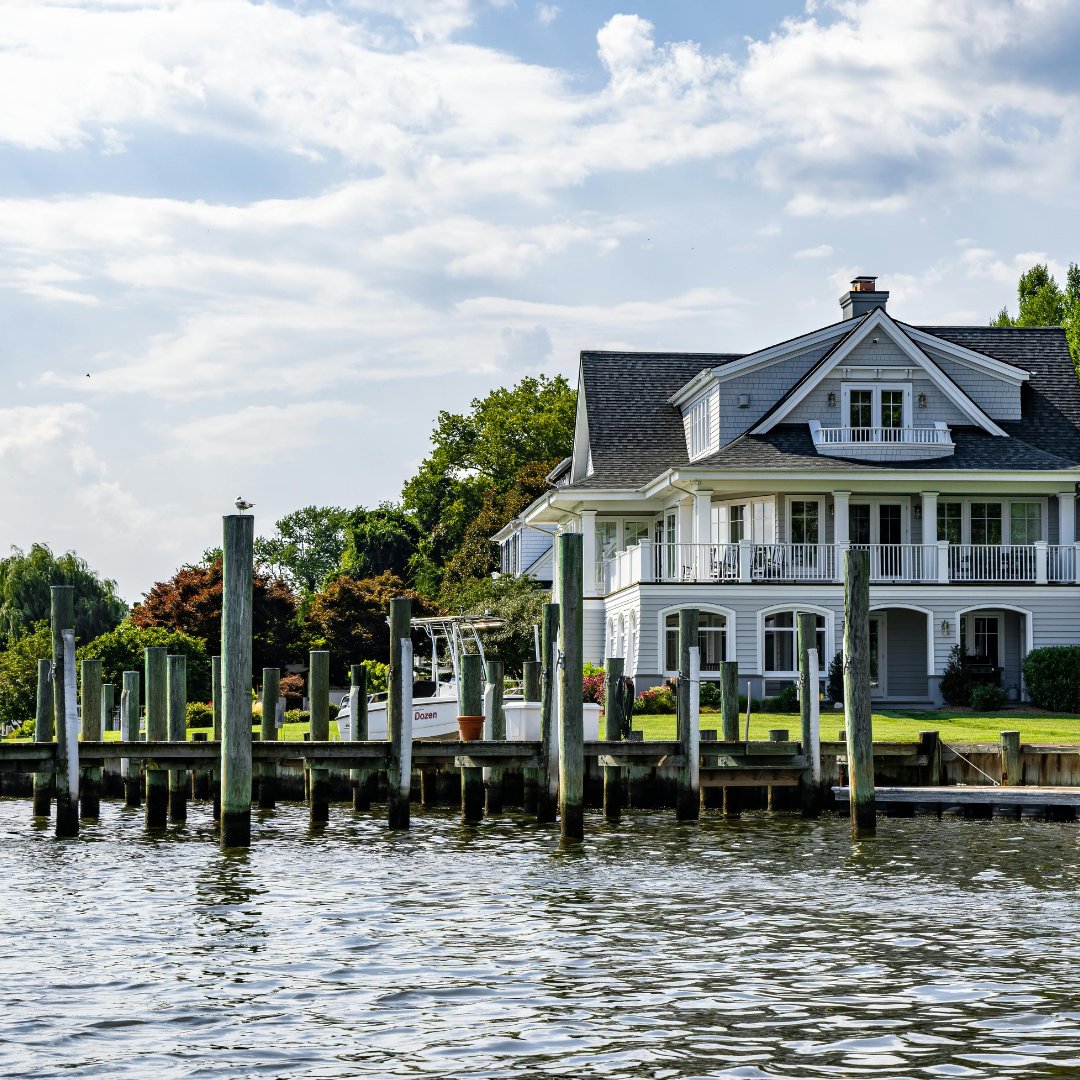
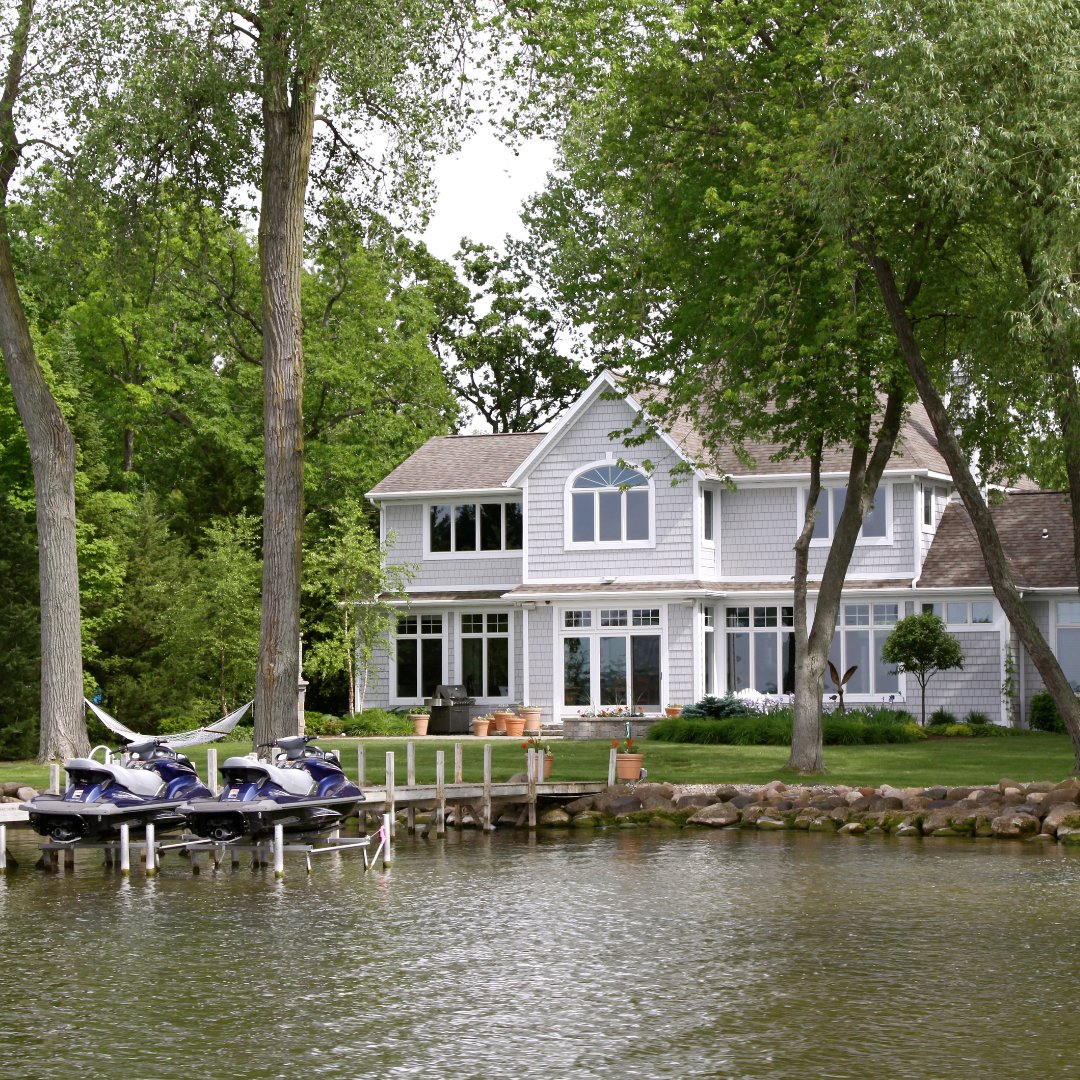
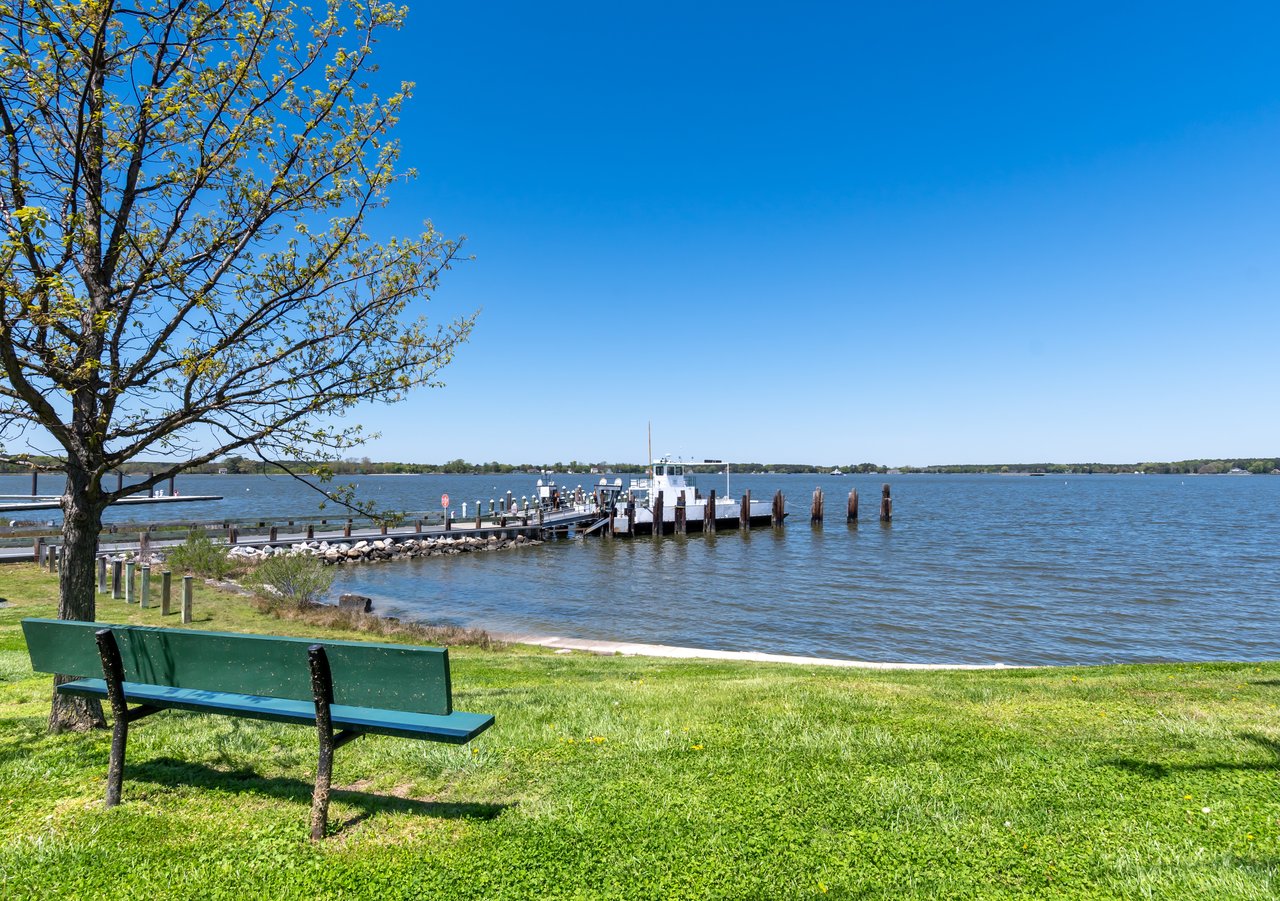
The premier public water destination is Bill Burton Fishing Pier State Park, just south of town at the base of the Choptank River Bridge, with shoreline fishing, crabbing, and walking trails offering panoramic river views. Bolingbroke Creek along the southern edge of the district is a favorite for kayakers looking for calmer water than the open Choptank. For boat owners, Talbot County maintains several public landings near Trappe, putting the Tred Avon River, St. Michaels, and the broader Bay within easy reach. The waterfront estates along the Choptank and Island Creek offer something genuinely rare on the Mid-Shore: private docks, deep water, and significant acreage in a town that still feels like a secret.
As of spring 2026, the median sale price in Trappe sits at approximately $510,000, and the market has split into two distinct tiers. The historic town core remains accessible, with well-priced new construction often moving quickly thanks to builder incentives, while homes in older inventory tend to sit on the market closer to 100 days. Inventory has grown considerably over the past few years, primarily because of the Lakeside at Trappe master-planned community, which is bringing a steady supply of new rooftops online.
The result is a market with genuine optionality. Buyers can choose between brand-new resort-style living, a turn-of-the-century home with character and a half-acre lot, or a multimillion-dollar legacy estate on the Choptank—all within the same zip code. That kind of range is unusual in Talbot County, where most towns specialize in just one or two of those categories.
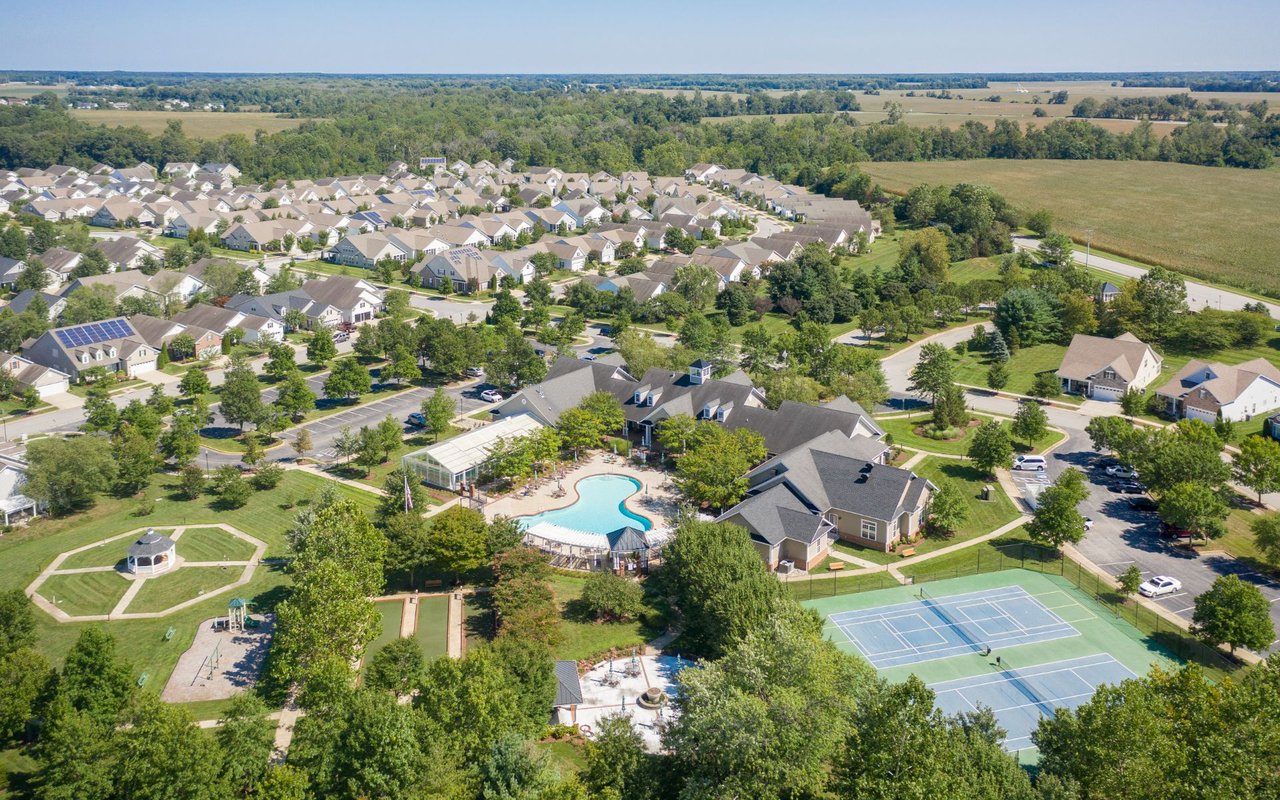
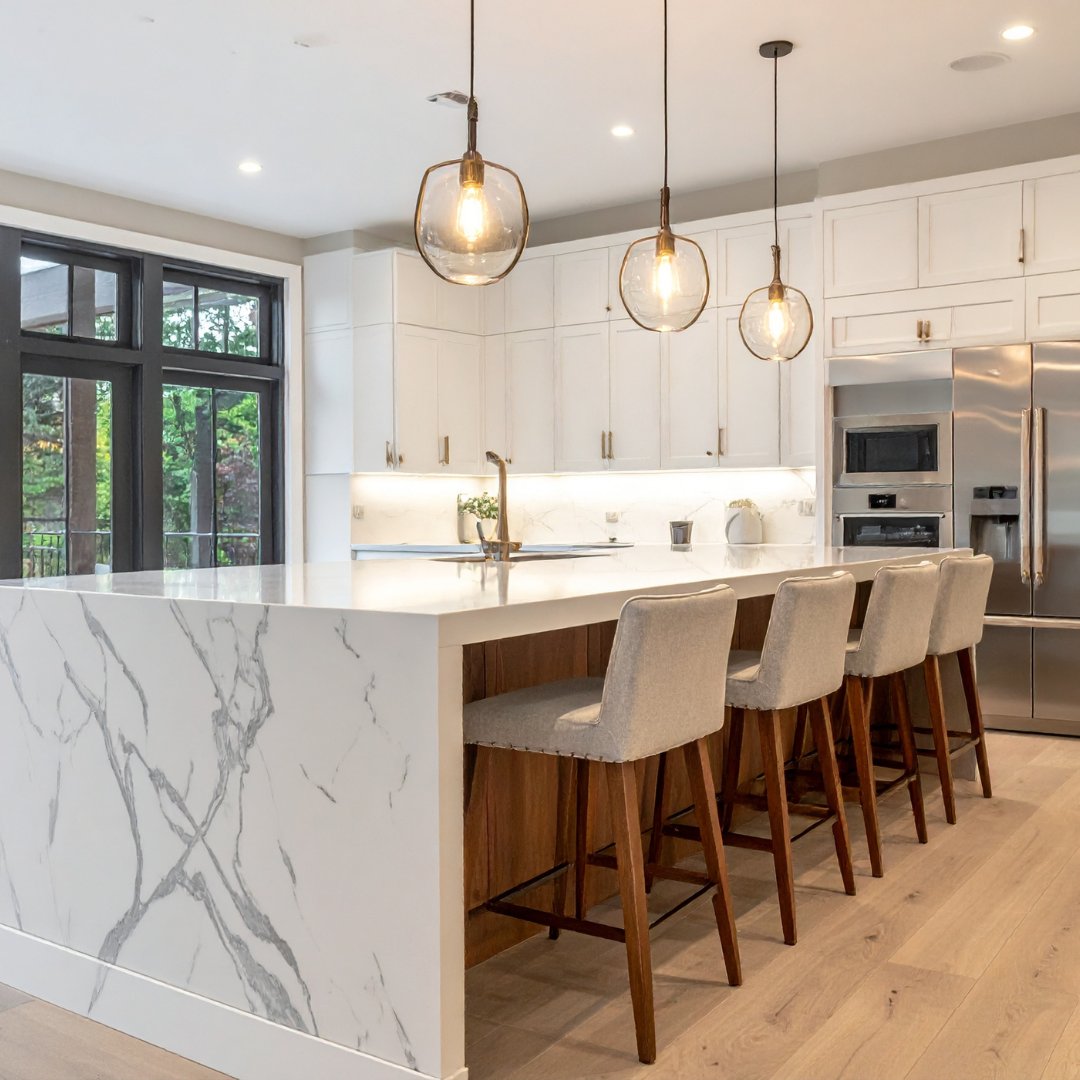
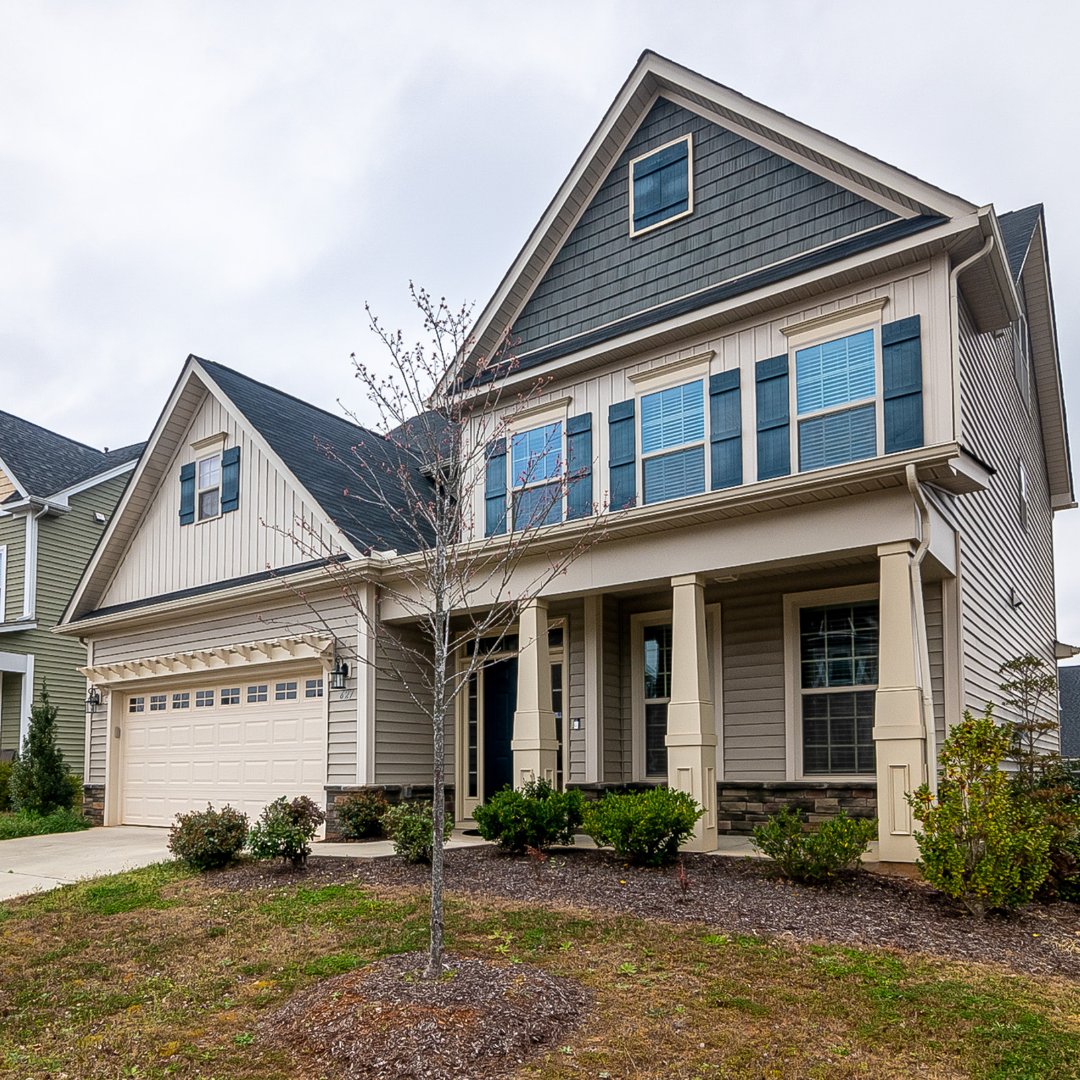
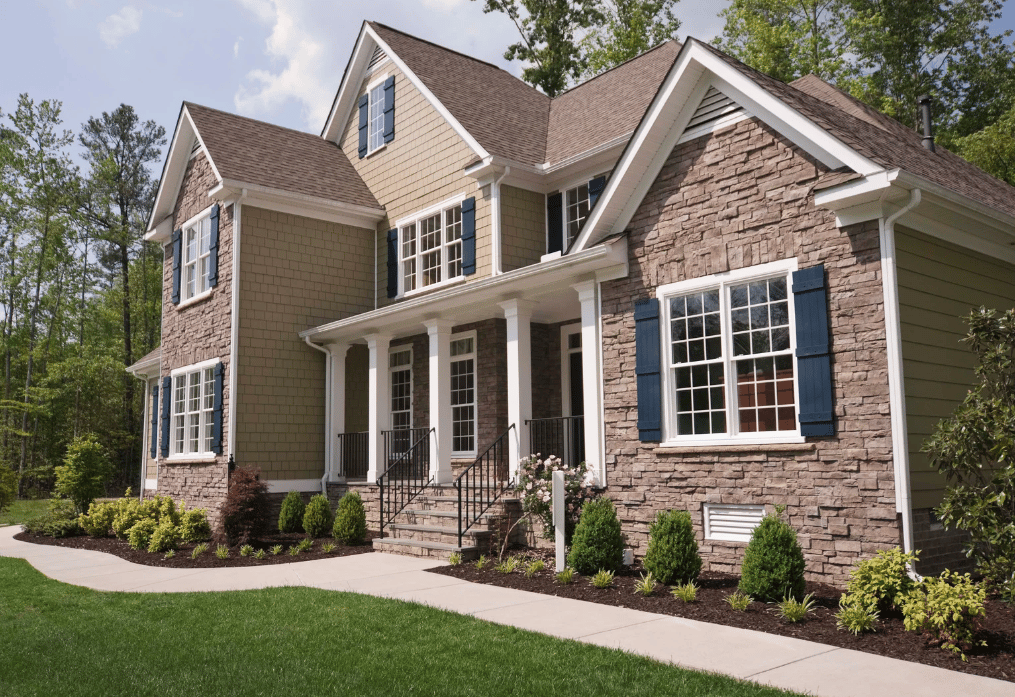
Homes in Trappe fall into three clear categories. New construction, led by Lennar and Brookfield Residential within Lakeside at Trappe, starts in the low $300,000s for townhomes and runs into the high $500,000s for single-family homes, with community amenities that include pools, fitness centers, dog parks, and pickleball courts. Historic and in-town residences along Main Street and its side streets typically range from $300,000 to $450,000, offering Victorian and farmhouse character on larger lots of half an acre to a full acre. Waterfront estates on the outskirts of town along the Choptank River and Island Creek begin around $1.5 million and run beyond $8 million, with expansive acreage, private piers, and homes often exceeding 6,000 square feet.
It's worth noting that many new construction builders in Trappe are currently offering closing cost assistance and subsidized mortgage rates as low as 4.99 percent on select inventory, which can meaningfully change the math for buyers comparing new builds to resale homes.
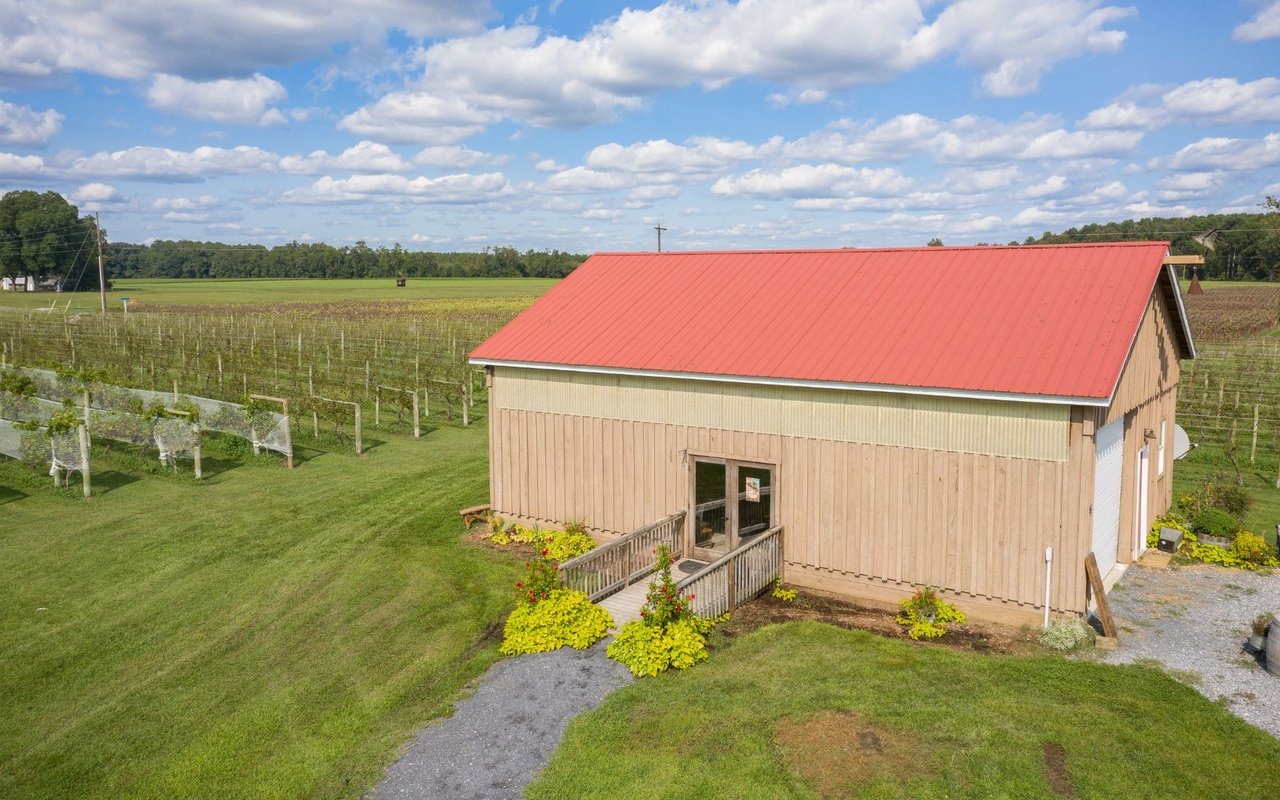
Daily life in Trappe leans toward heritage and the outdoors rather than nightlife. The Rural Life Museum functions as the town's living room, hosting Friends & Visitors Day in early June, monthly events, and the beloved "Cookies with Santa" gathering in December. The walkable historic district itself is one of the best ways to spend an afternoon, with architecture ranging from 18th-century cottages to ornate Victorians and the photogenic ruins of the Defender Packing Company hinting at the town's industrial past. Just a short drive away, Layton's Chance Vineyard & Winery is a local favorite for outdoor concerts and seasonal events, and the expanding Lakeside trail system has quickly become a go-to for walkers, cyclists, and dog owners.
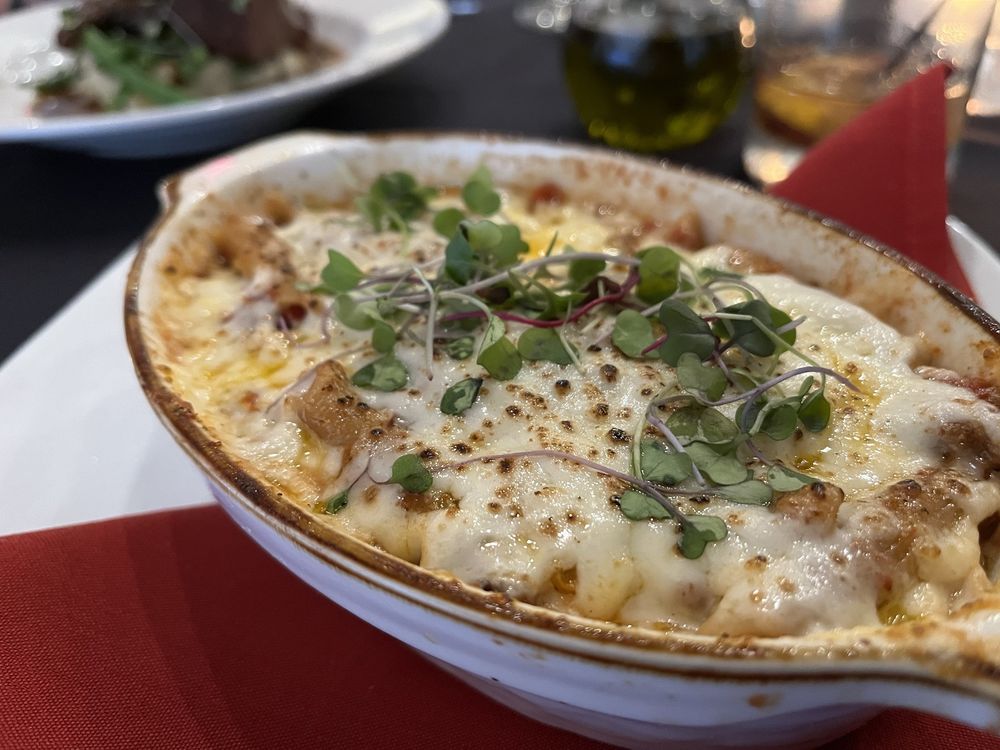
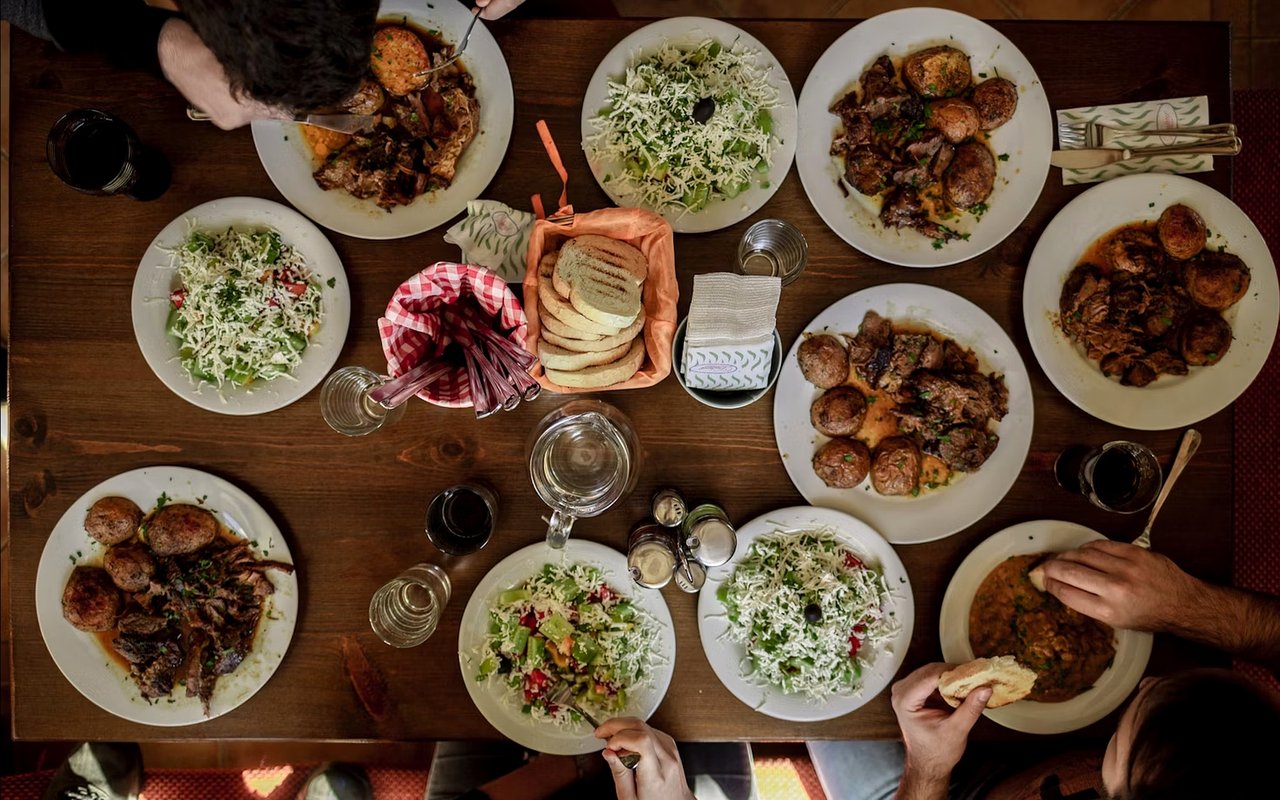
Momma Maria's Mediterranean Bistro on Main Street is the heart of Trappe's dining scene, an upscale-but-comfortable spot known for its stone-hearth pizzas, Italian and Greek classics, and a Wednesday Prime Rib Night that has become a local institution. Their monthly wine dinners, typically the last Sunday of the month, sell out well in advance. For takeaway, Capt'n Chucky's Crab Cake Co. just south in Cambridge is the go-to for no-filler crab cakes, and the area around the Trappe post office serves as an informal town square where locals meet for coffee and news. When Trappe residents want a bigger night out, they head ten minutes north to Easton for Bas Rouge or Hunter's Tavern, or to The Oxford Inn for a waterfront dinner.
Trappe's outdoor life balances manicured community spaces with raw river access. Bill Burton Fishing Pier State Park remains the most popular destination, with 360-degree views of the Choptank River, prime crabbing, and serious rockfish potential. Trappe Park in the center of town serves as the community's primary green space, anchored by a playground, basketball courts, and a pavilion that hosts youth sports and family gatherings throughout the spring and fall. The newer Lakeside at Trappe trail system is adding paved walking and biking paths that connect new neighborhoods with pocket parks and dog-friendly green space, while Oxford Conservation Park, fifteen minutes away, offers managed trails for birdwatching and wildlife viewing.
Trappe is part of Talbot County Public Schools, which consistently ranks among the top-performing districts on Maryland's Eastern Shore. The community's anchor school is White Marsh Elementary on Lovers Lane, which holds a 9 out of 10 GreatSchools rating and is widely regarded as one of the best elementary schools in the county. Its student-teacher ratio sits around 13:1, and the school hosts a Judy Center Early Learning Hub serving children from birth through kindergarten. From there, students move into the Easton feeder pattern at Easton Middle School and Easton High School, the latter known for its athletics and NJROTC program. For families exploring private options, Easton offers The Country School for PK through 8th grade and Saints Peter & Paul, a Catholic PK through 12 system with a newly constructed high school campus.
Trappe's position on Route 50 is one of its quiet advantages. Easton is ten minutes north, Cambridge is ten minutes south, and the Bay Bridge sits roughly an hour to the northwest, putting Annapolis, Baltimore, and Washington D.C. within a 1.5-hour drive. That accessibility makes hybrid work genuinely viable here, which has been one of the strongest tailwinds behind recent growth. Within Trappe itself, the compact historic core means daily errands often happen on foot, an unusual quality in a town this small and a meaningful one for retirees and families alike.
Few towns in Maryland are better positioned for day trips and short escapes than Trappe. St. Michaels, with its harbor, the Chesapeake Bay Maritime Museum, and a thriving restaurant scene, is about 25 minutes away. Oxford, one of the oldest towns in Maryland and home to the historic Oxford-Bellevue Ferry, sits about 15 minutes to the west. Tilghman Island, the working watermen's outpost at the tip of the Bay Hundred peninsula, makes for a memorable afternoon. To the south, Cambridge has become a destination in its own right with its growing brewery scene, the Hyatt Regency Chesapeake Bay resort, and the Harriet Tubman Underground Railroad Byway. Easton, just to the north, hosts the famous Waterfowl Festival each November, a multi-day event that draws collectors, sportsmen, and artists from across the country.
The buyers we work with in Trappe tend to fall into a few clear groups, but they share a common thread: they want a Talbot County address without paying St. Michaels prices. A waterfront home that might list at $2 million in Oxford or St. Michaels can often be found for considerably less in Trappe's outskirts, and inland buyers can get a larger, newer home here than almost anywhere else in the county at the same price point. Talbot County's property tax rates remain among the lowest in Maryland, which matters as much to young families stretching budgets as it does to retirees on fixed incomes.
The other major draw is lifestyle fit. Lakeside at Trappe has brought a resort-style option to a county that previously had very little of it, with amenities that appeal strongly to relocating buyers from the Western Shore and out of state. White Marsh Elementary is a deciding factor for families with young children, and Trappe's low crime rate and tight community make it consistently appealing to retirees—it ranks in the top 2.5 percent of retiree-friendly neighborhoods in Maryland. For boating enthusiasts, the combination of Choptank River access and lower waterfront entry points is hard to find elsewhere in Talbot County.
Trappe is changing, but it's changing on its own terms. The historic district still looks the way it has for generations, the Rural Life Museum still anchors the social calendar, and the Choptank still defines the rhythm of the seasons. For buyers paying attention, that's the opportunity: a town with genuine staying power, at a moment when more inventory and more options are available than at any point in recent memory.
For more than 60 years, Benson & Mangold has been the Mid-Shore's leading real estate firm, with over $691 million in 2024 sales and more than 100 full-time agents averaging 20 years of experience across Talbot, Queen Anne's, Dorchester, Caroline, and Kent Counties. Whether you're considering a historic home in Trappe's town center, a new build at Lakeside, or a waterfront estate along the Choptank, our agents bring the local knowledge and relationships that make the difference in a market like this one. Reach out to Benson & Mangold at (410) 822-1415 or [email protected] to start the conversation about your move to Trappe.
There's plenty to do around Trappe, including shopping, dining, nightlife, parks, and more. Data provided by Walk Score and Yelp.
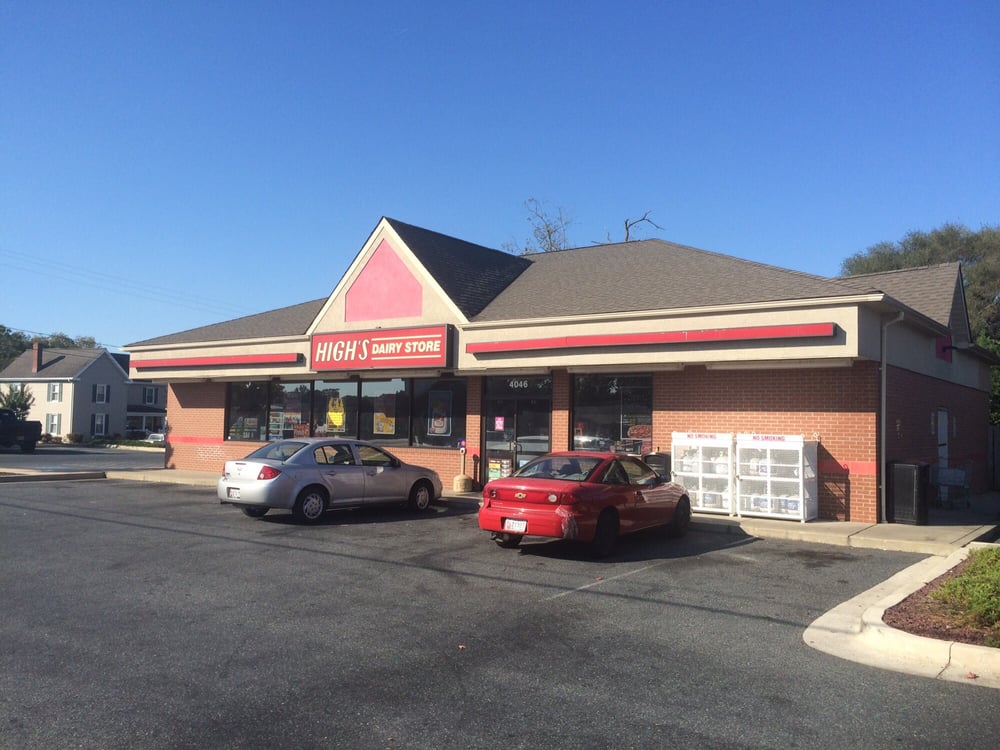
Explore popular things to do in the area, including Paris Foods Corporation, High's of Baltimore, and The Coffee Trappe.
| Name | Category | Distance | Reviews |
Ratings by
Yelp
|
|---|---|---|---|---|
| Dining | 0.84 miles | 0 reviews | 0/5 stars | |
| Dining | 1.03 miles | 5 reviews | 3.2/5 stars | |
| Dining | 1.09 miles | 26 reviews | 4/5 stars | |
| Dining | 1.11 miles | 35 reviews | 4.2/5 stars | |
| Dining · $ | 1.76 miles | 1 review | 3/5 stars | |
| Dining · $$ | 3.73 miles | 10 reviews | 3.8/5 stars | |
| Shopping | 2.37 miles | 22 reviews | 4.1/5 stars | |
| Shopping | 3.14 miles | 0 reviews | 0/5 stars | |
| Active | 2.13 miles | 1 review | 5/5 stars | |
| Active | 3.69 miles | 3 reviews | 5/5 stars | |
| Beauty | 1.13 miles | 0 reviews | 0/5 stars | |
|
|
||||
|
|
||||
|
|
||||
|
|
||||
|
|
||||
|
|
Trappe has 1,154 households, with an average household size of 2.45. Data provided by the U.S. Census Bureau. Here’s what the people living in Trappe do for work — and how long it takes them to get there. Data provided by the U.S. Census Bureau. 2,839 people call Trappe home. The population density is 55 and the largest age group is Data provided by the U.S. Census Bureau.
Total Population
Population Density Population Density This is the number of people per square mile in a neighborhood.
Median Age
Men vs Women
Population by Age Group
0-9 Years
10-17 Years
18-24 Years
25-64 Years
65-74 Years
75+ Years
Education Level
Total Households
Average Household Size
Average individual Income
Households with Children
With Children:
Without Children:
Blue vs White Collar Workers
Blue Collar:
White Collar: