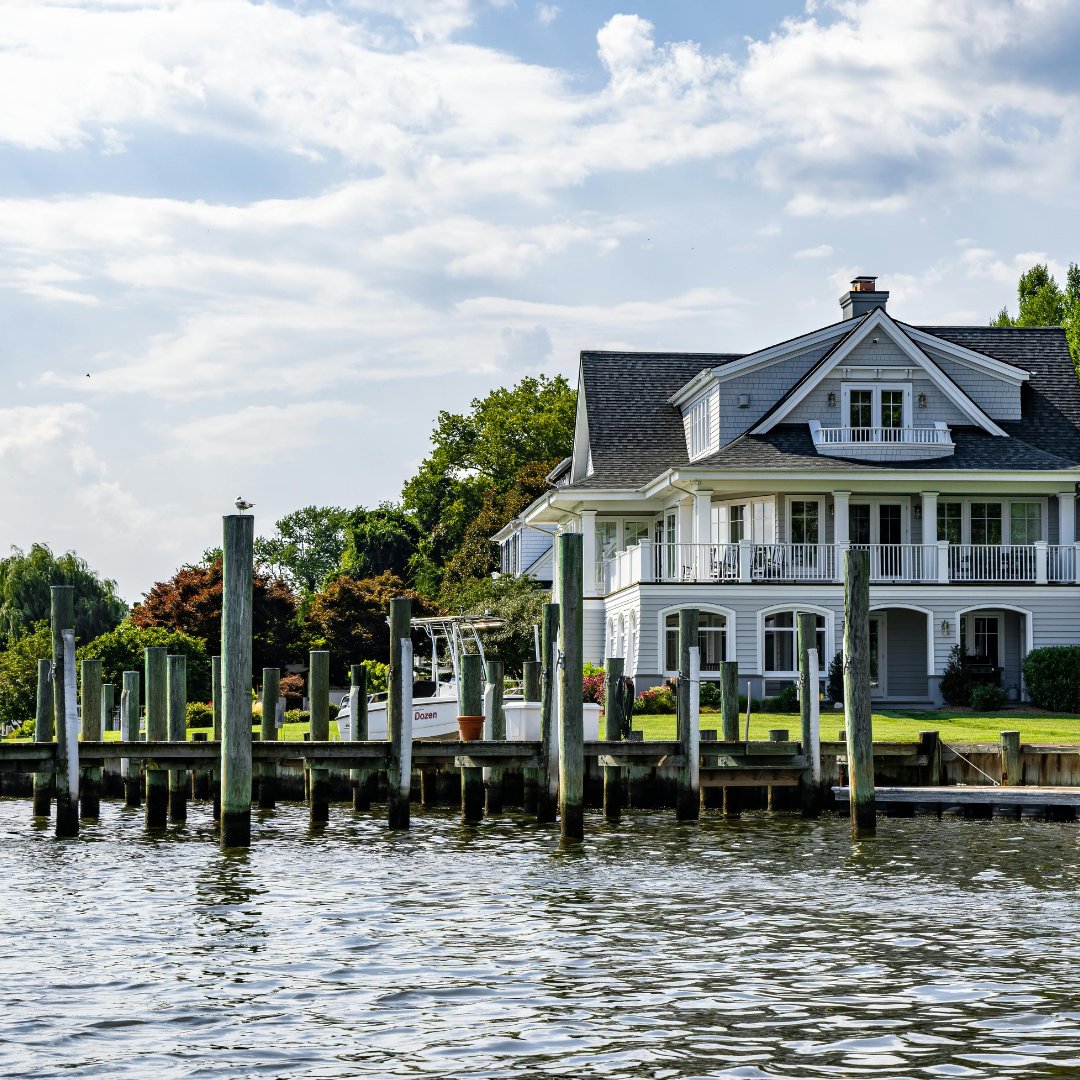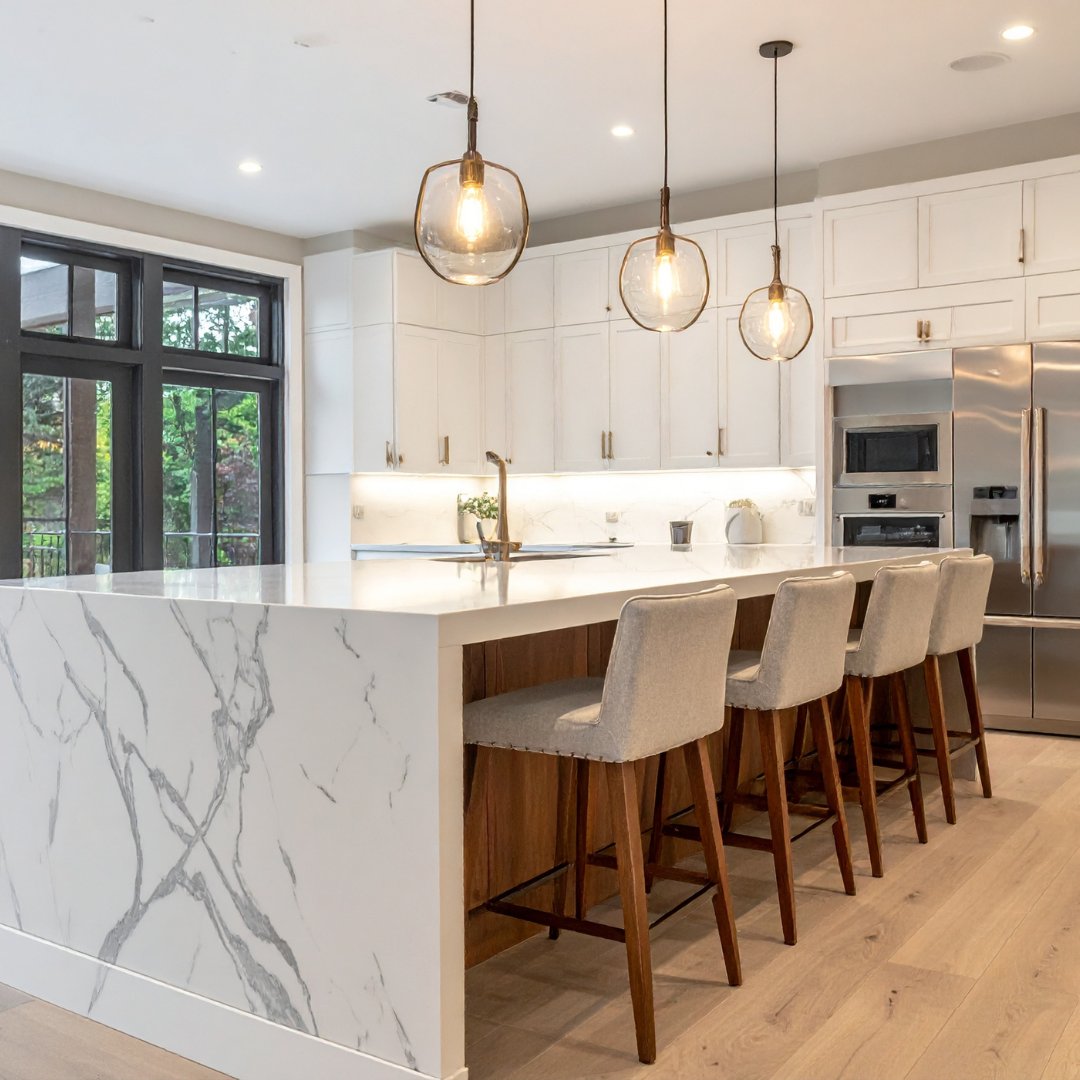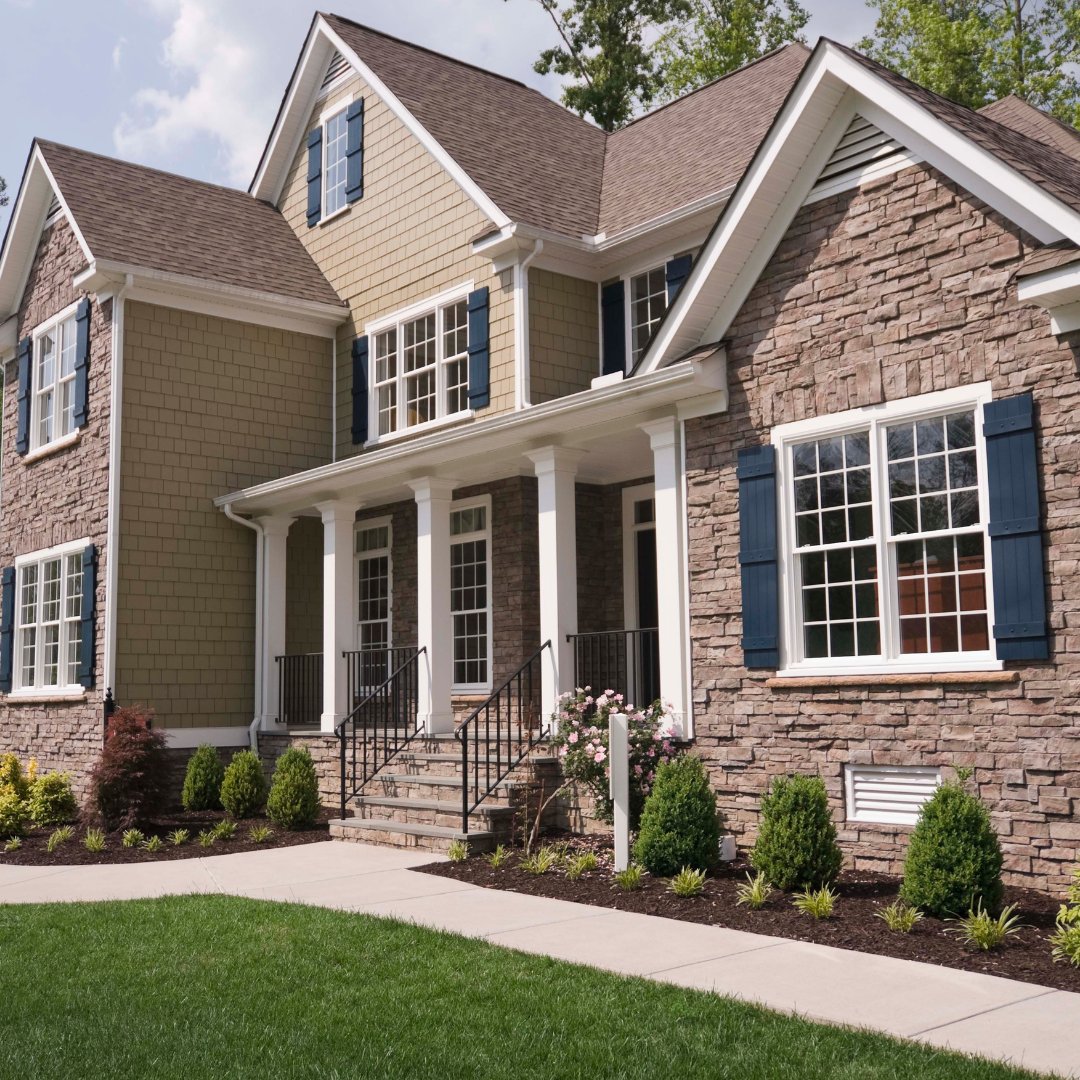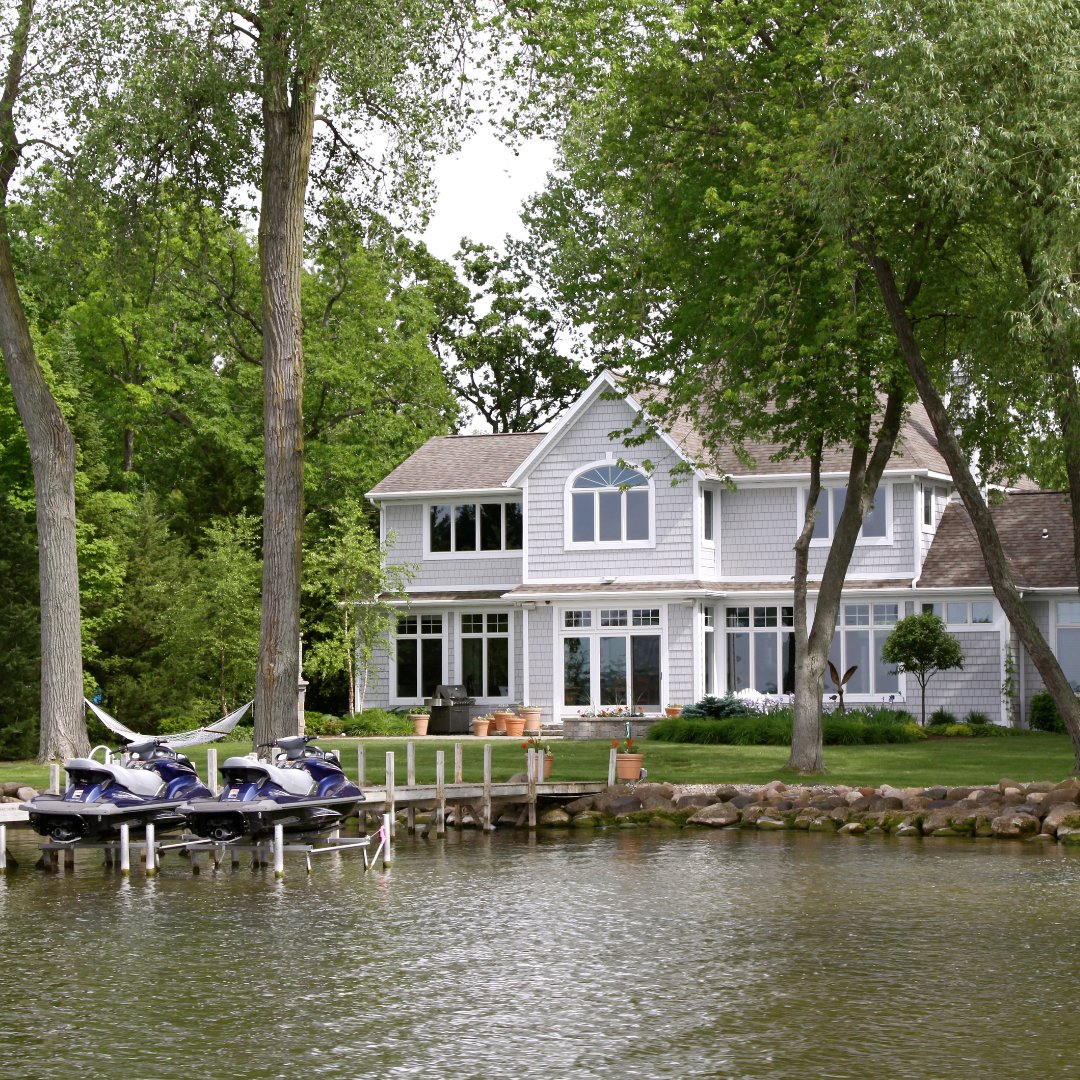
Welcome to
431 people live in Wye Mills, where the median age is 52 and the average individual income is $51,477. Data provided by the U.S. Census Bureau.
Total Population
Median Age
Population Density
Average individual Income
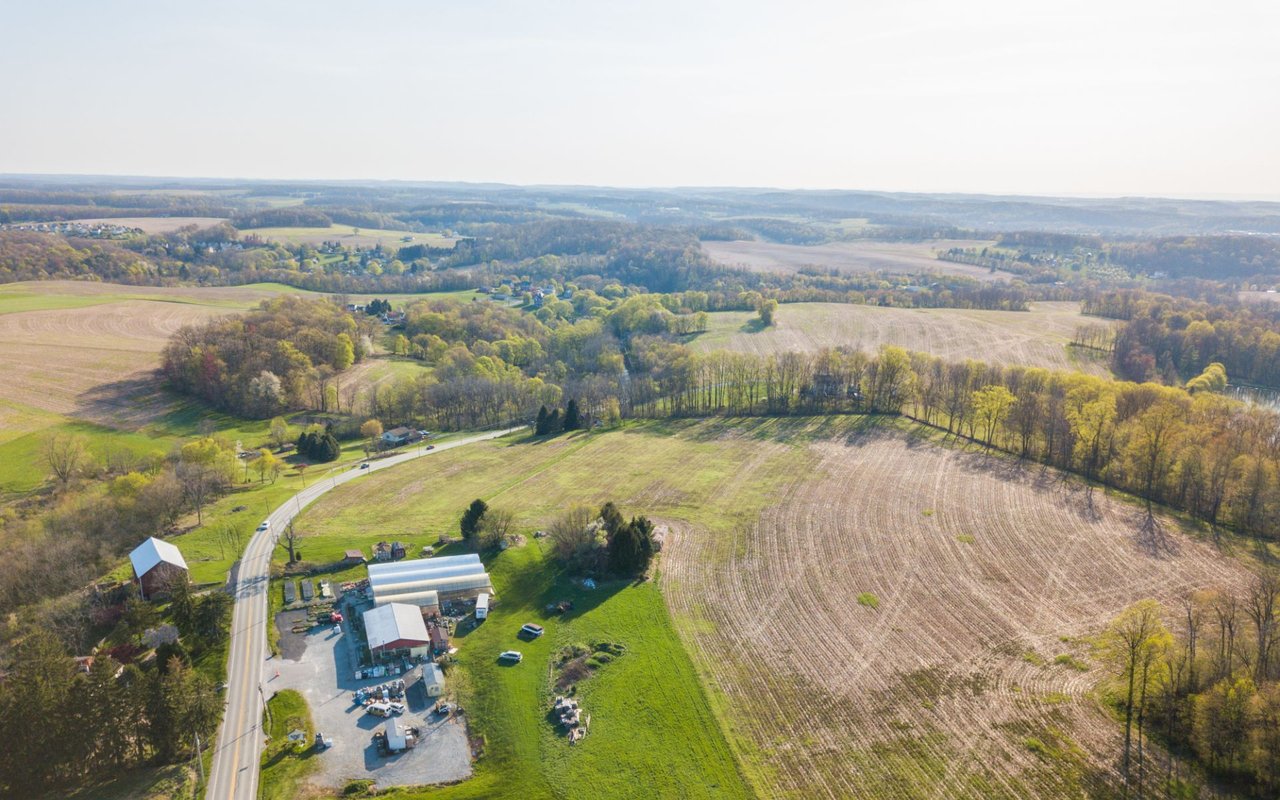
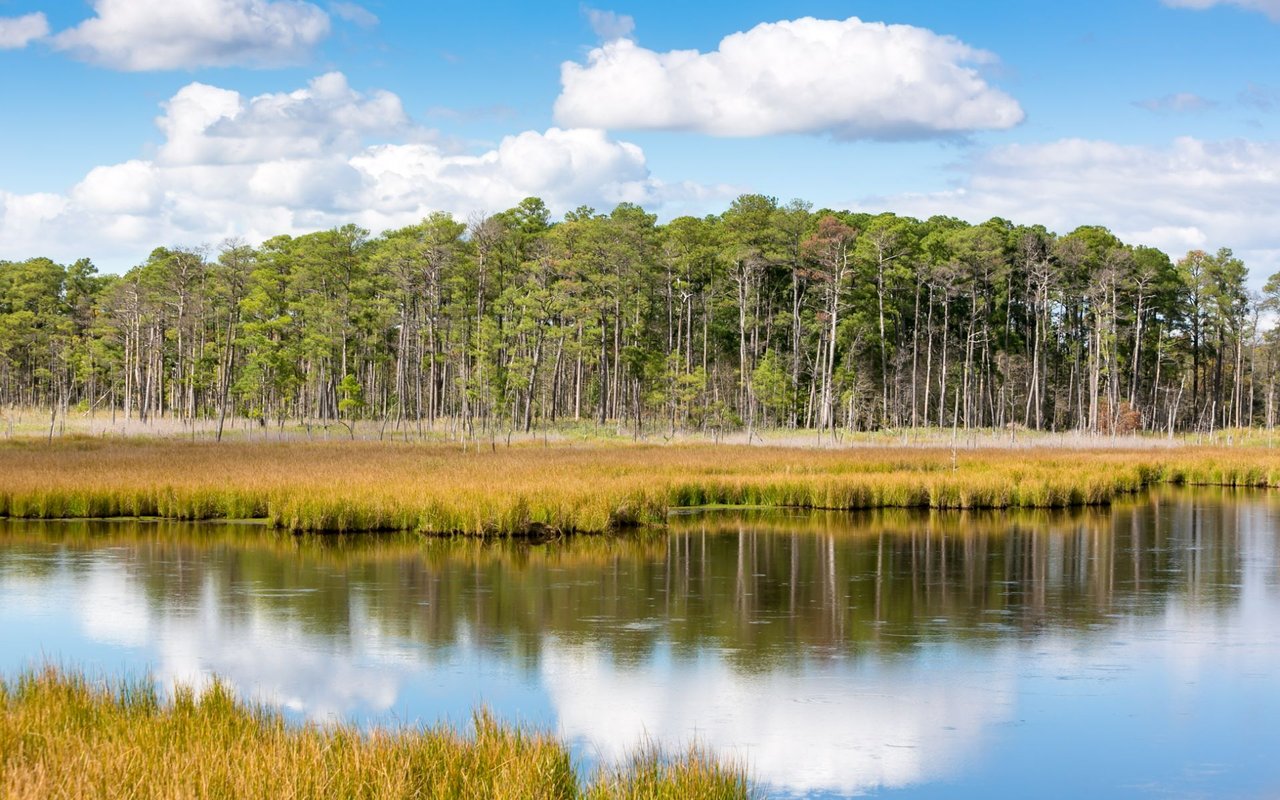
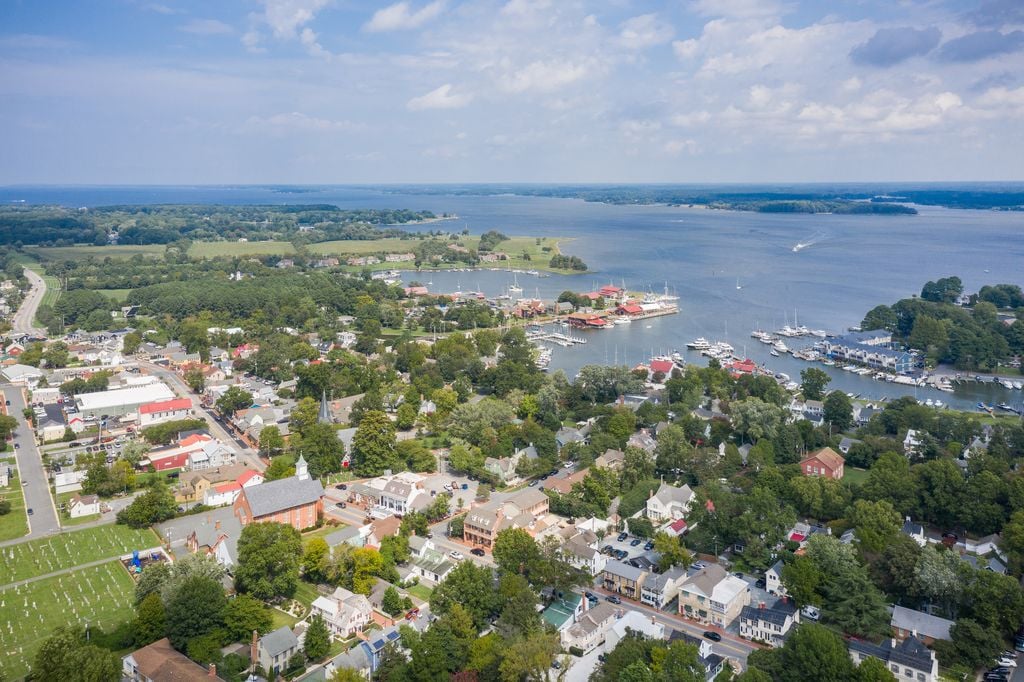
Some places on Maryland's Eastern Shore announce themselves with a waterfront main street and a marina full of masts. Wye Mills does something quieter. It sits where two counties meet, holds a working mill that has been grinding grain since the 1680s, and preserves the ground where the largest White Oak in the country stood for more than four centuries. Then it hands you a road that gets you to the Bay Bridge in about half an hour.
That combination is unusual, and it explains the kind of buyer who ends up here. Wye Mills is not a subdivision with a clubhouse. It is an unincorporated village surrounded by farmland, woods, and tidal water, where a half-acre lot is considered small and a hundred-acre grain farm is not out of the ordinary. Buyers come looking for room, privacy, and history, and they find all three without sacrificing a straightforward commute to Annapolis or Washington.
This guide covers what the village actually offers: where it sits, what the housing stock looks like, how the water access works, what the land market does, and who tends to thrive here.
Wye Mills straddles the boundary line between Queen Anne's County and Talbot County, which is the single most important geographic fact about the place. That county line runs through the community, and it determines school zoning, tax jurisdiction, and permitting authority depending on which side of it a given property sits. Buyers should confirm the county on any specific address before making assumptions about anything administrative.
The village sits roughly 25 miles east of the Chesapeake Bay Bridge along U.S. Route 50, the main artery across the Shore. Easton is about 12 miles south. Centreville, the Queen Anne's County seat, is about 10 miles north. Annapolis is around 35 miles west across the bridge, with Baltimore and Washington in the 60 to 65 mile range.
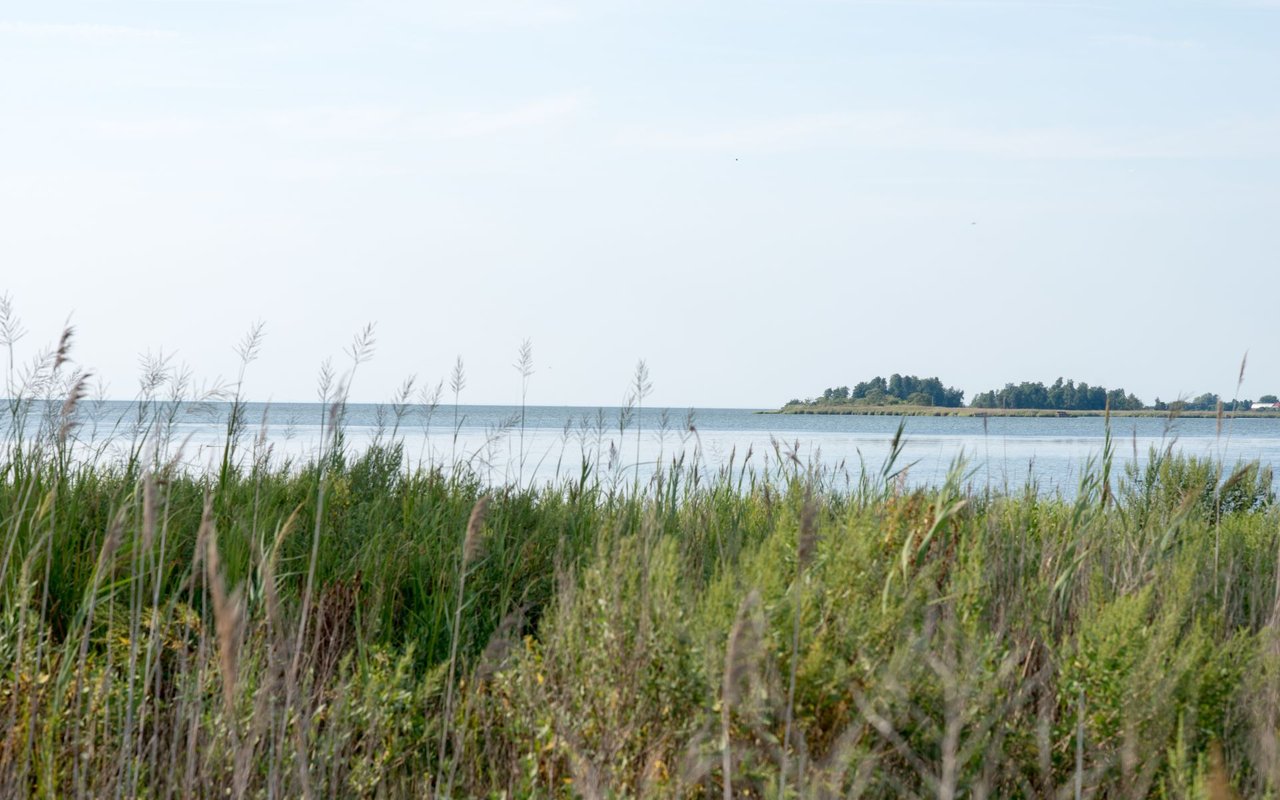
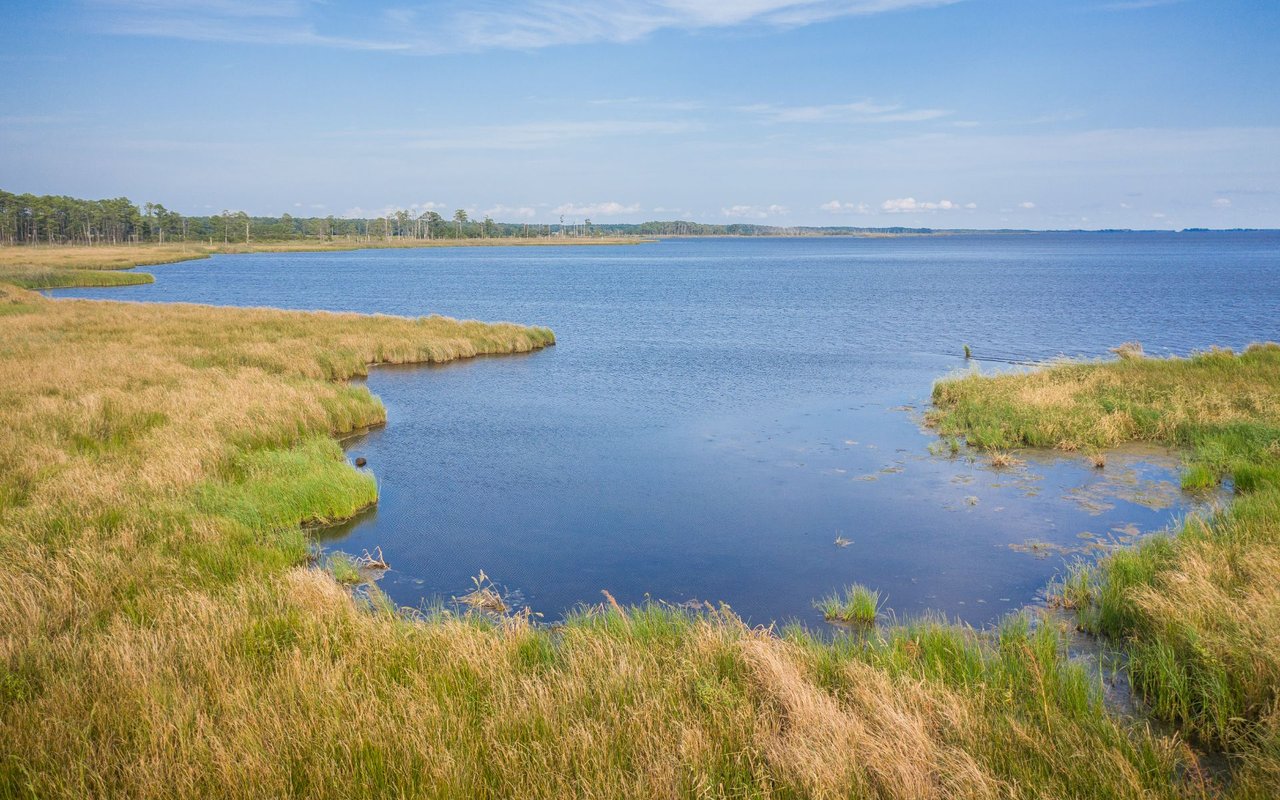
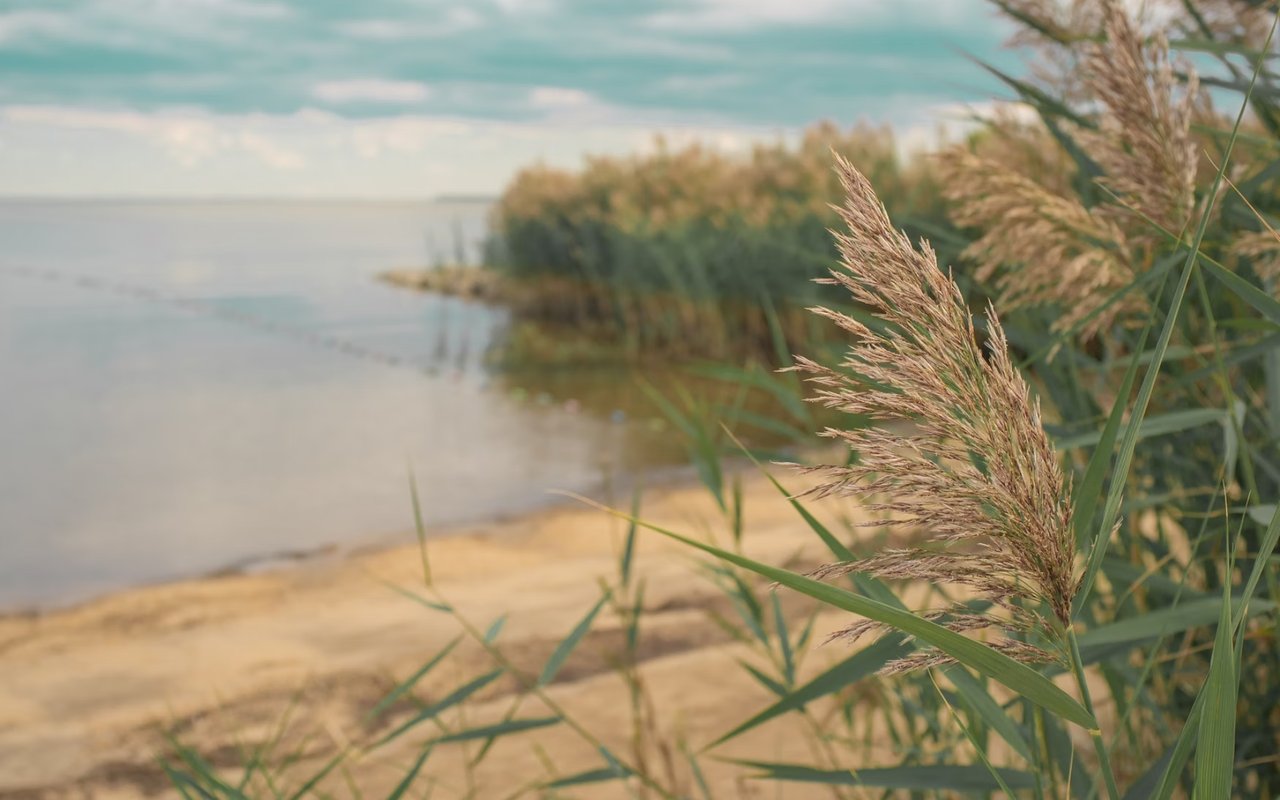
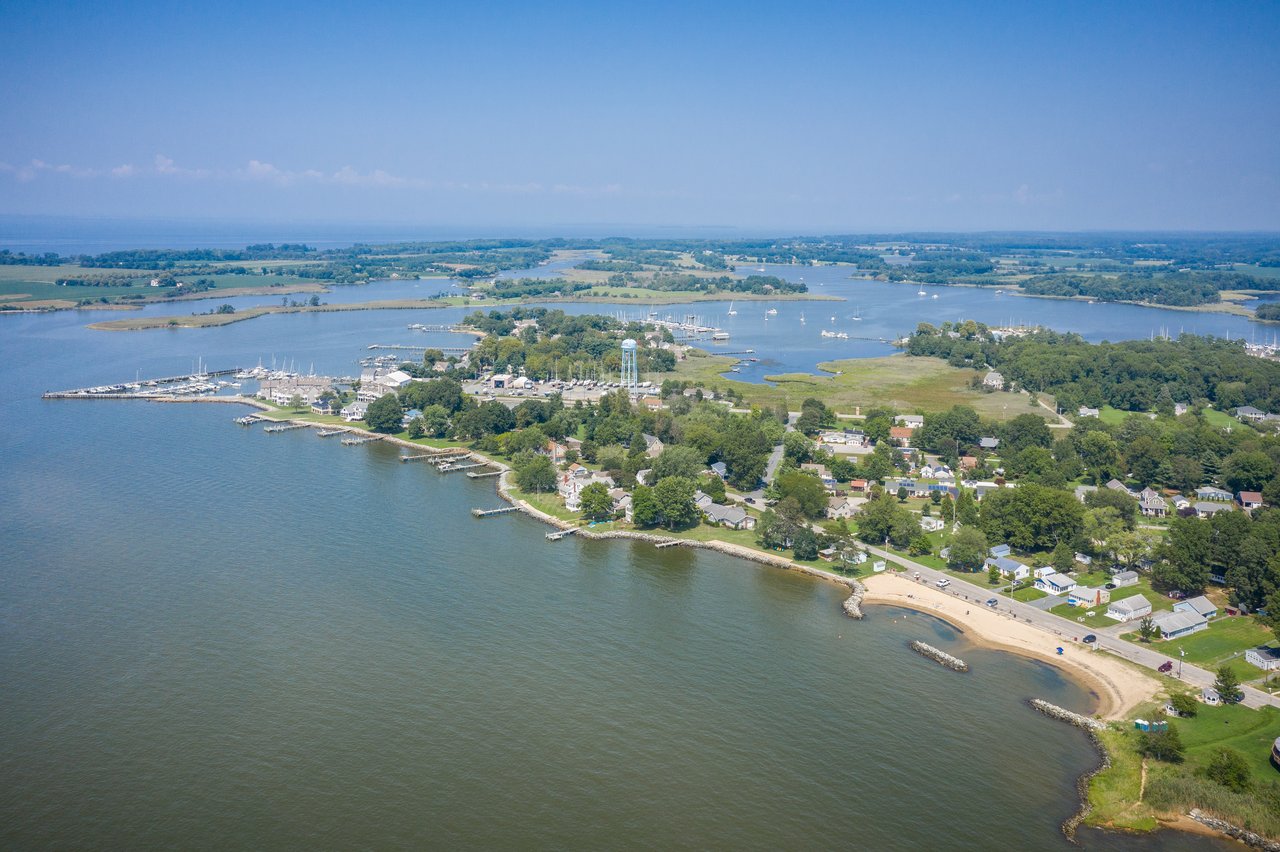
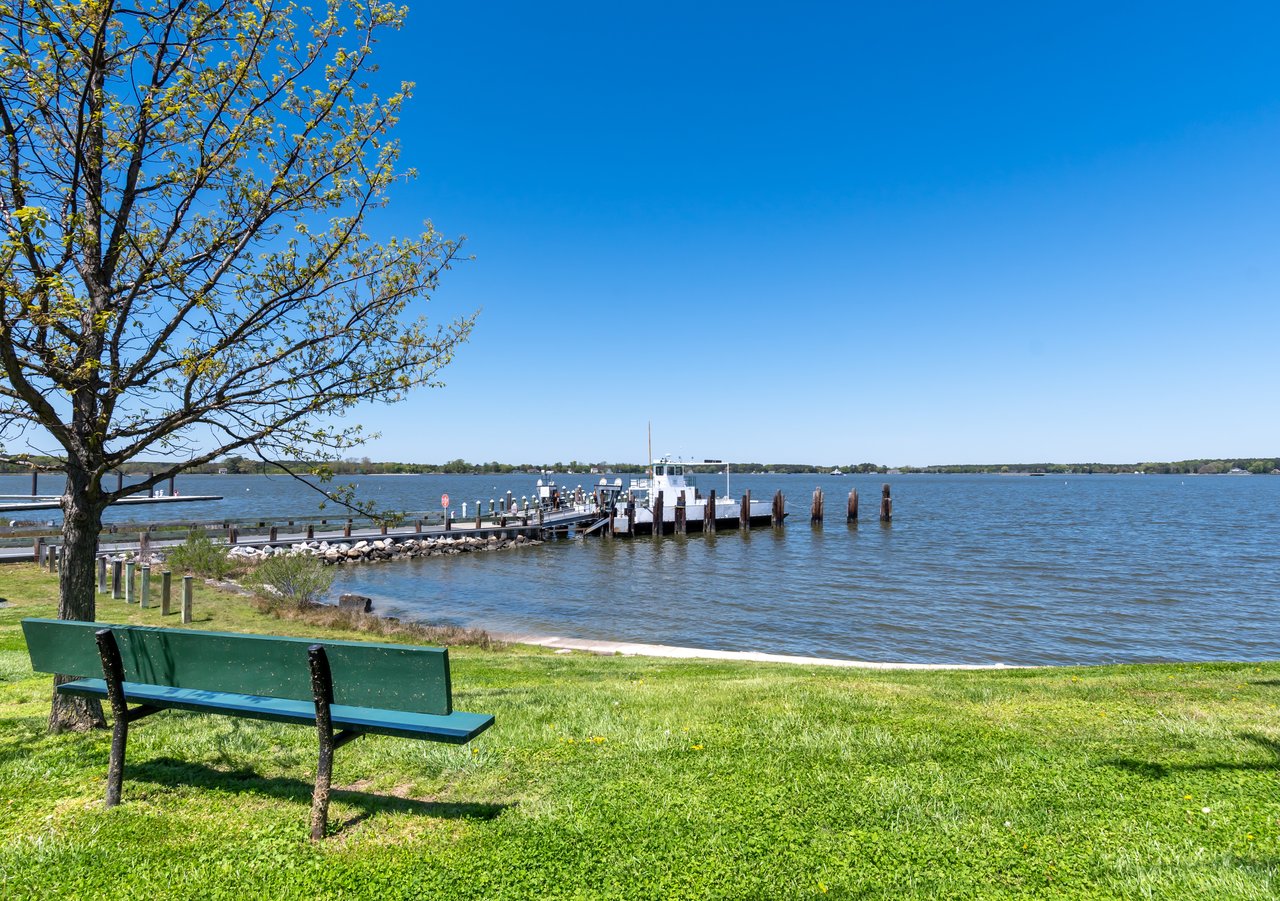
The setting is inland-adjacent rather than fully inland. Wye Mills Lake sits at the center of the village, while the Wye River and Wye East River wrap around the area just to the south and west, putting genuine tidal water within a few minutes' drive of nearly any address here.
Two landmarks give Wye Mills its name and its reputation, and both are worth understanding, because they are a real part of why property here holds its character.
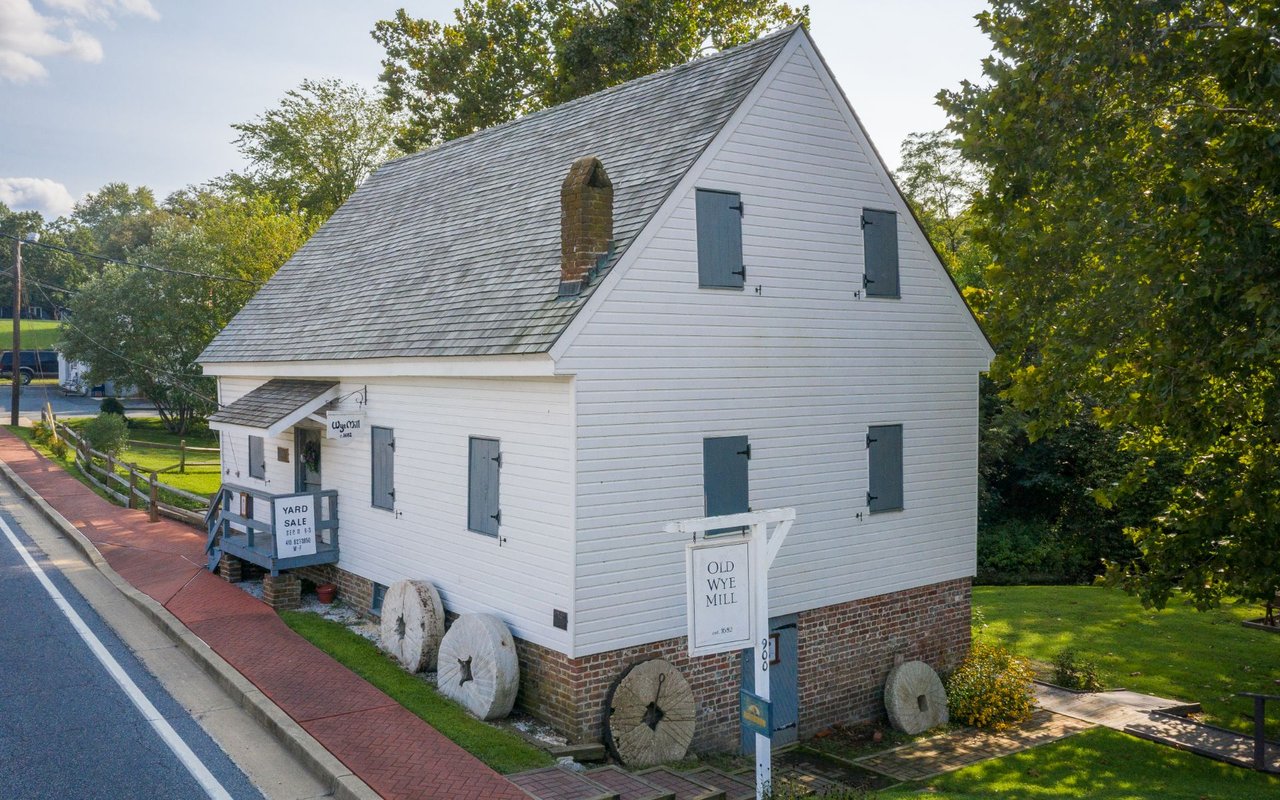
Wye Mill was built around 1682 and is Maryland's oldest continuously operating industrial facility. During the American Revolution it ground grain to supply George Washington's Continental Army, which is the detail most visitors remember. Less famous but arguably more impressive: in the late 18th century the mill was retrofitted with Oliver Evans's automated milling machinery, making it one of the most technically advanced operations of its era anywhere in the country. Today the Friends of Wye Mill maintain it as a living history museum, and it still produces water-ground flour that visitors can buy on site.
The Wye Oak stood a short distance away for more than 400 years. It was the officially recognized national champion White Oak — 31 feet in circumference, over 96 feet tall, with a crown spreading 119 feet. Maryland named the White Oak its official State Tree in 1941 largely because of this specimen. A severe thunderstorm brought it down on June 6, 2002. Before it fell, foresters had already harvested acorns and taken clones, and Wye Oak descendants are now planted across the state. A section of the original trunk is preserved on site under a protective pavilion, and a clone grows in the footprint where the parent tree stood.
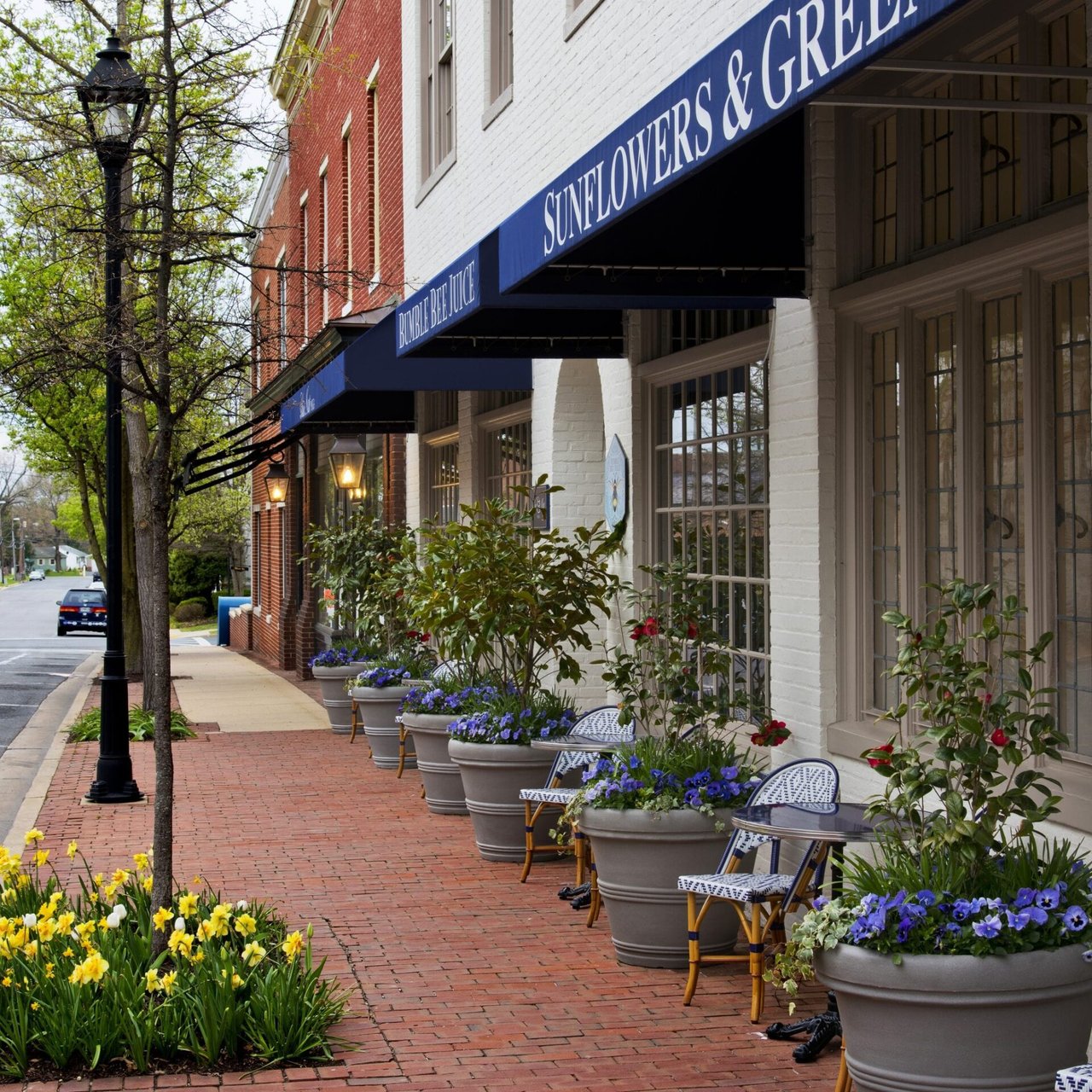
Day-to-day life here runs at a rural pace. There is no downtown commercial strip, no traffic to speak of, and the loudest thing most mornings is farm equipment. What the village does have is a set of anchors that keep it from feeling isolated.
Chesapeake College sits at the heart of the community and functions as the local center of gravity — for education, for employment, and for cultural programming that residents actually attend. Wye Mills Lake handles the casual outdoor hours: fishing, kayaking, and walking. The surrounding preserves and Wye Oak State Park absorb the rest.
The practical upside of the location is that residents do not have to be self-sufficient. Easton's medical centers, restaurants, and retail are twelve minutes down Route 50. Centreville's county offices and historic square are ten minutes north. Wye Mills gives you the quiet without stranding you.
The Wye Mills market is defined by land more than by housing stock. Lot size, privacy, and water proximity drive value here far more than square footage or finishes do, which is a meaningful difference from how buyers evaluate homes in Easton or St. Michaels.
Median listing prices generally sit in the $700,000 to $800,000-plus range, though that figure conceals wide variation. A modest older home on an acre and a newly built custom estate on five wooded acres can both be "Wye Mills," and they price nothing alike. Waterfront and water-view properties on the Wye East River run substantially higher.
What buyers are consistently paying for is space that cannot be manufactured: mature tree lines, real acreage, distance from the neighbors, and in many cases direct water frontage. Inventory is thin — this is a small village, not a market with dozens of active listings at any moment — so buyers who are serious about the area benefit from working with an agent who hears about properties early.
The architectural mix here spans roughly three centuries, and the range is wider than most buyers expect from a village this size.
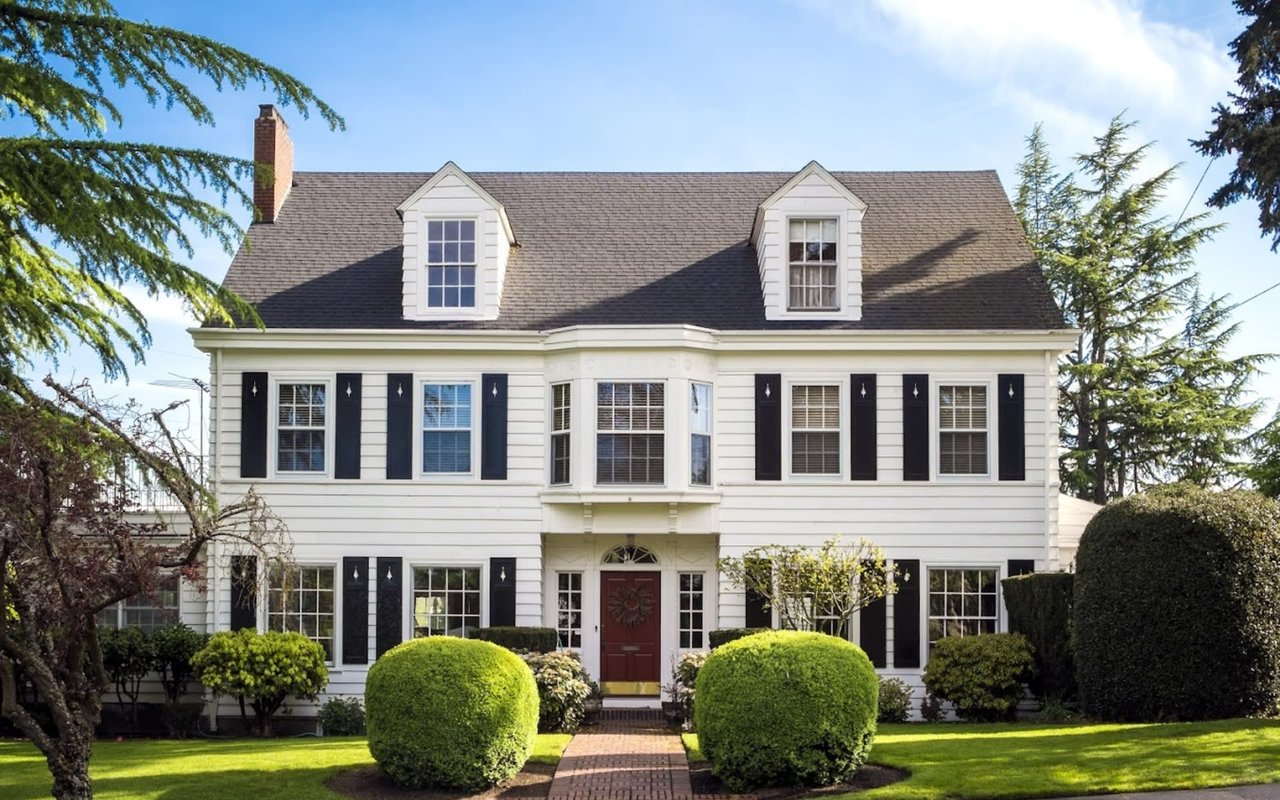
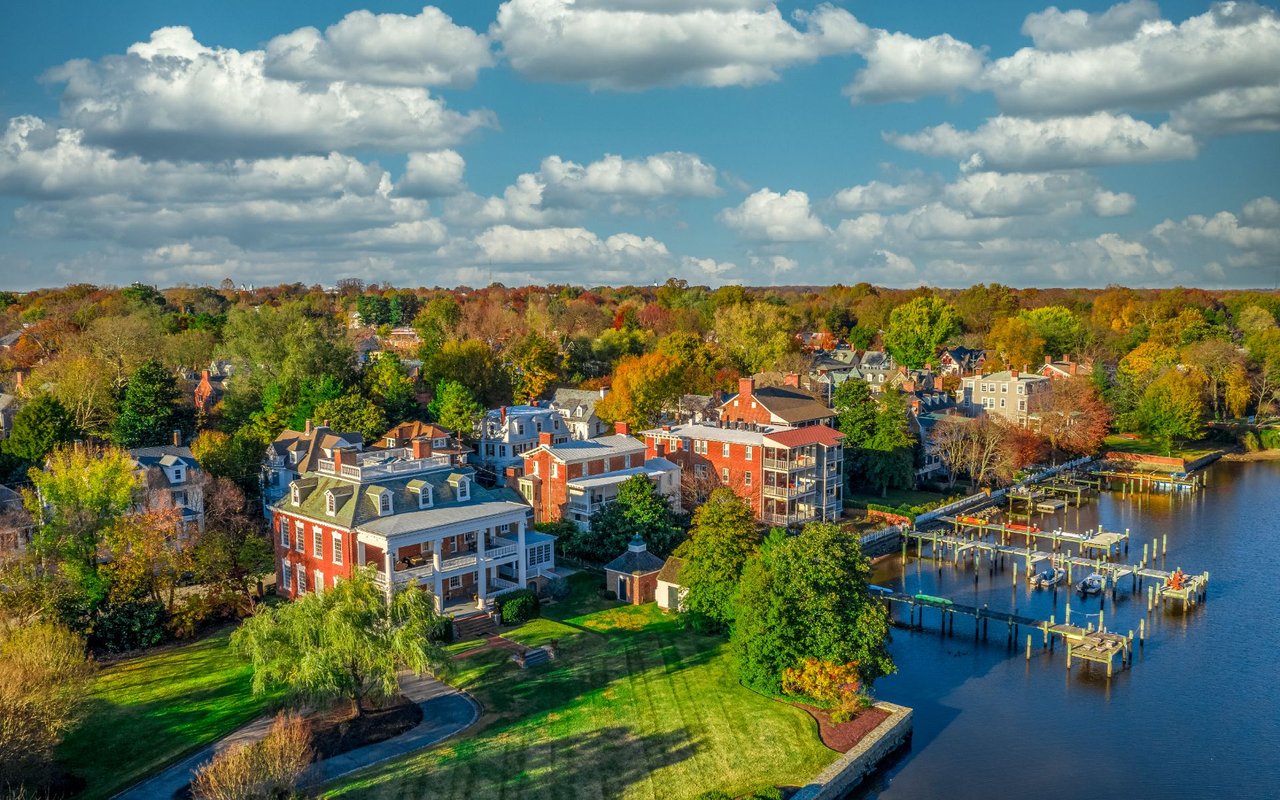
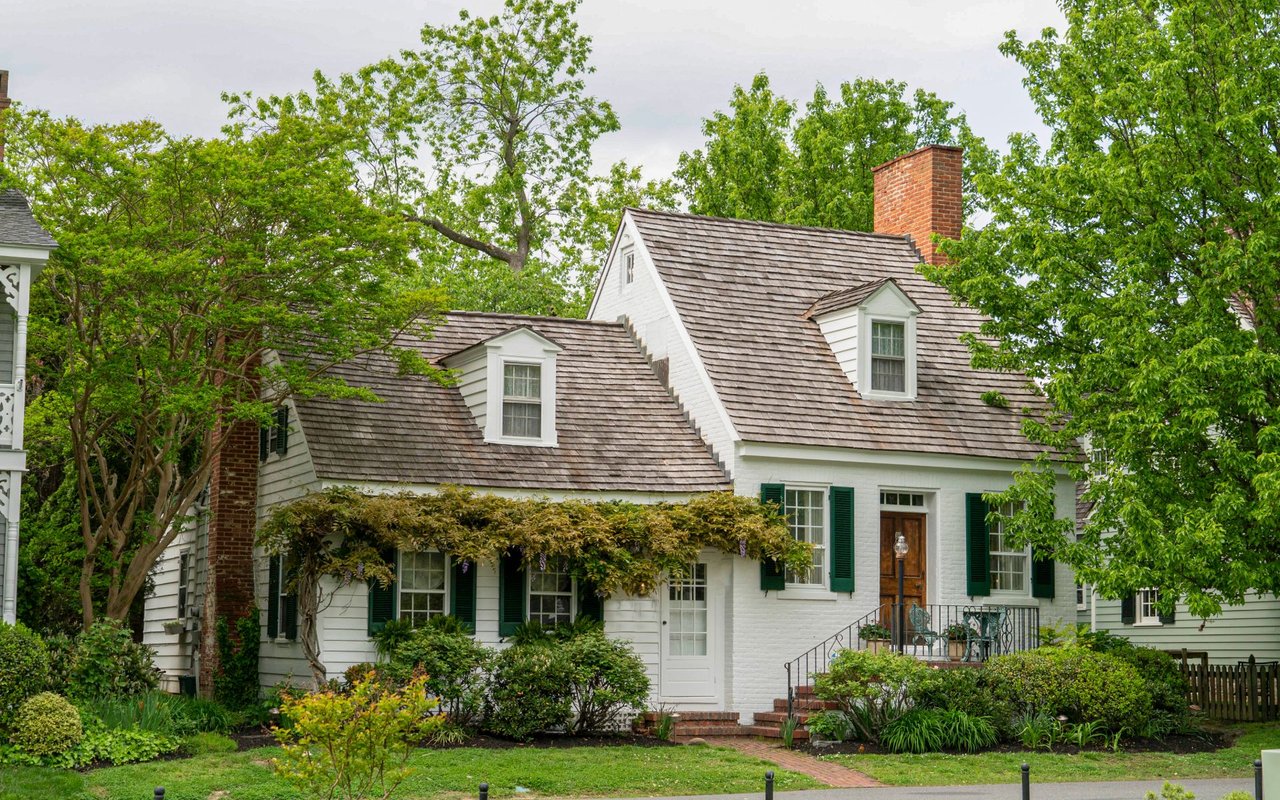
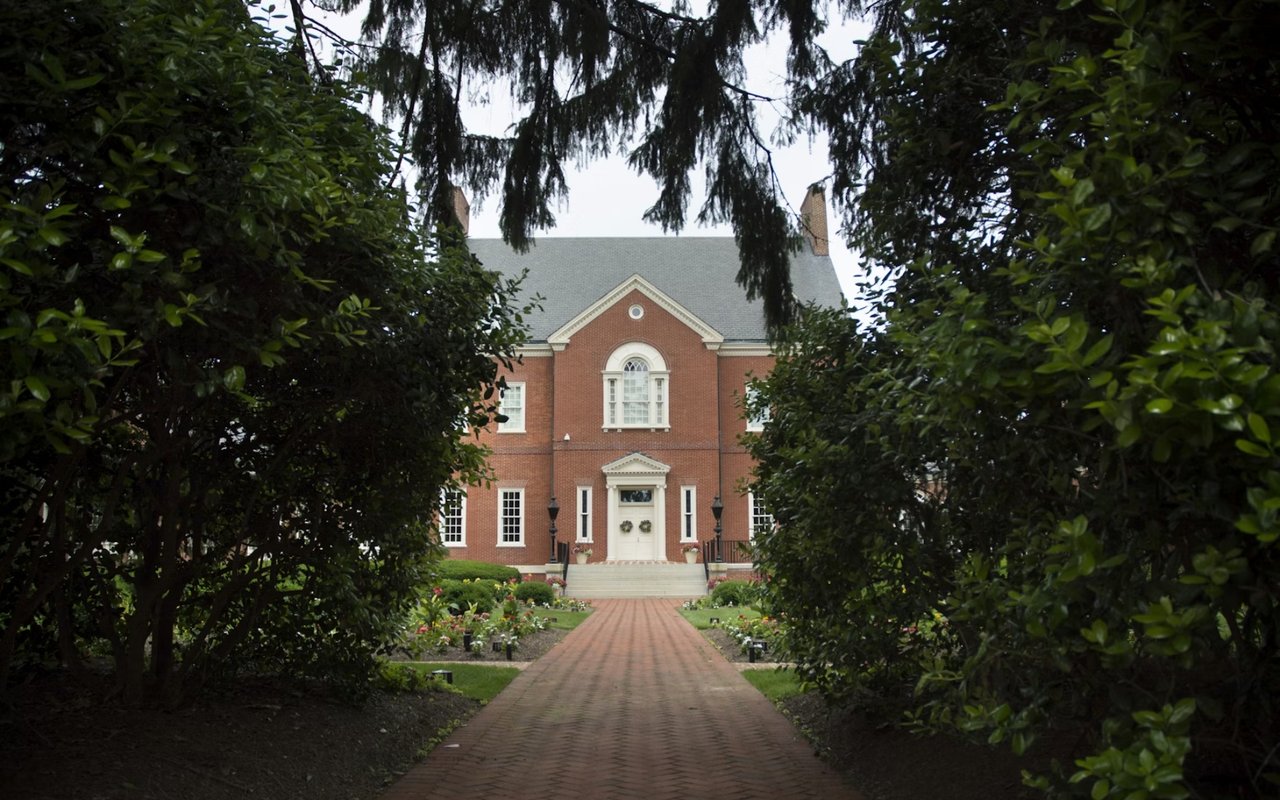
Around the historic village core, you'll find restored Colonial-style residences, historic farmhouses, and 18th and 19th-century timber-framed structures that reflect traditional Eastern Shore building heritage. These are the properties buyers seek out specifically for character, and they come with the usual considerations that older homes carry — systems, insulation, and in some cases historic-district sensitivity.
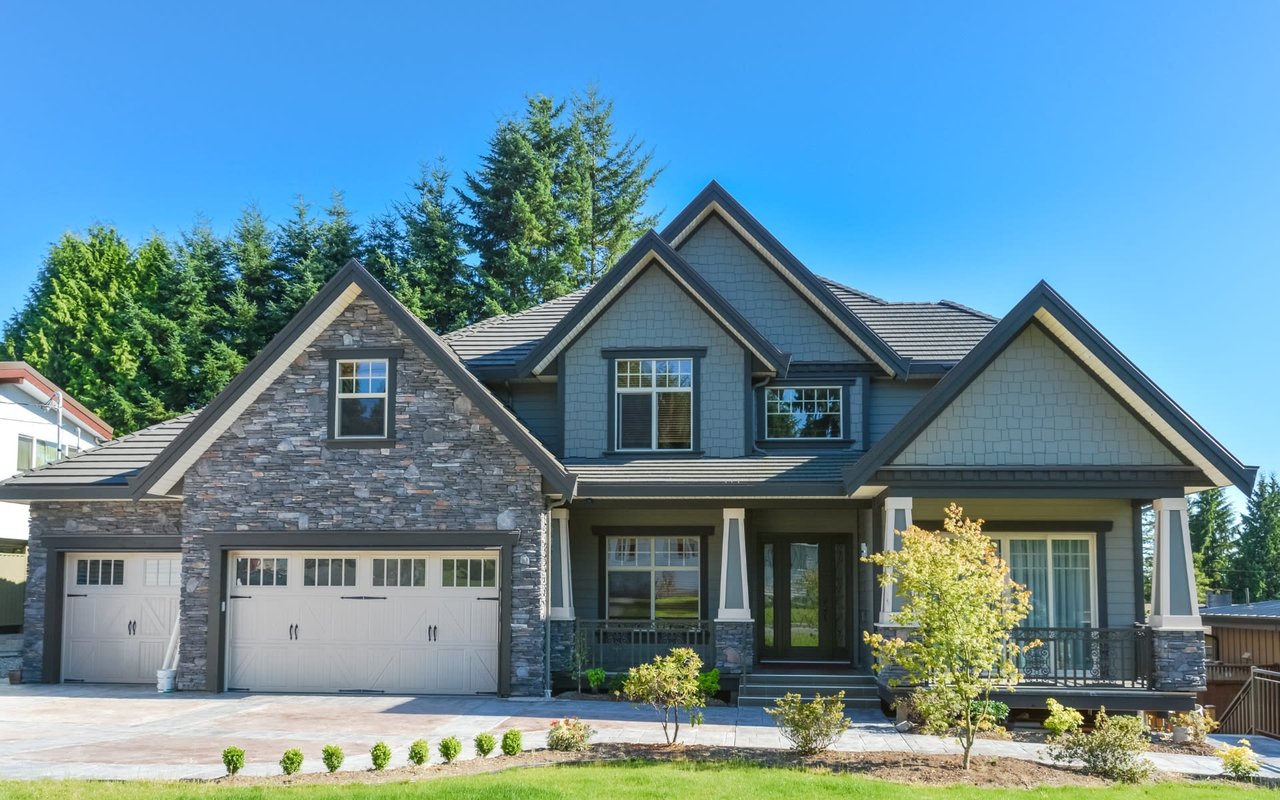
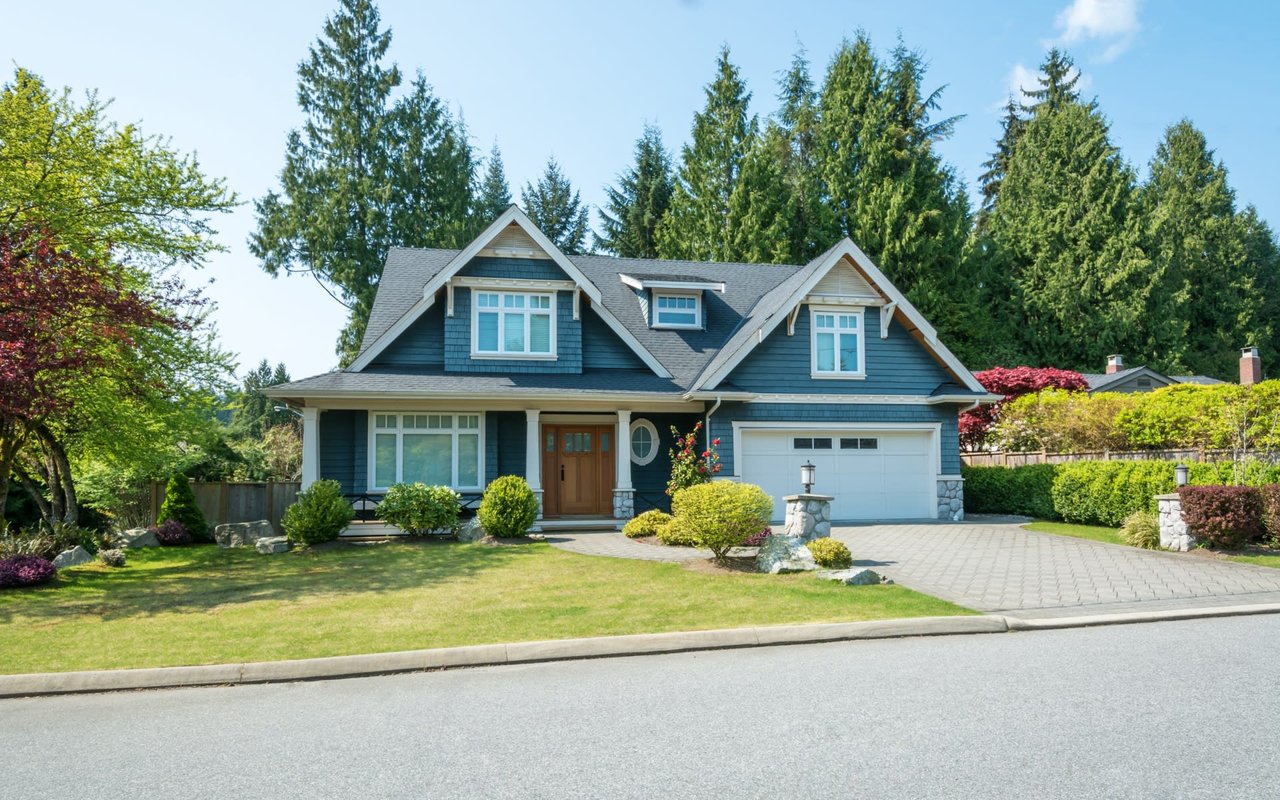
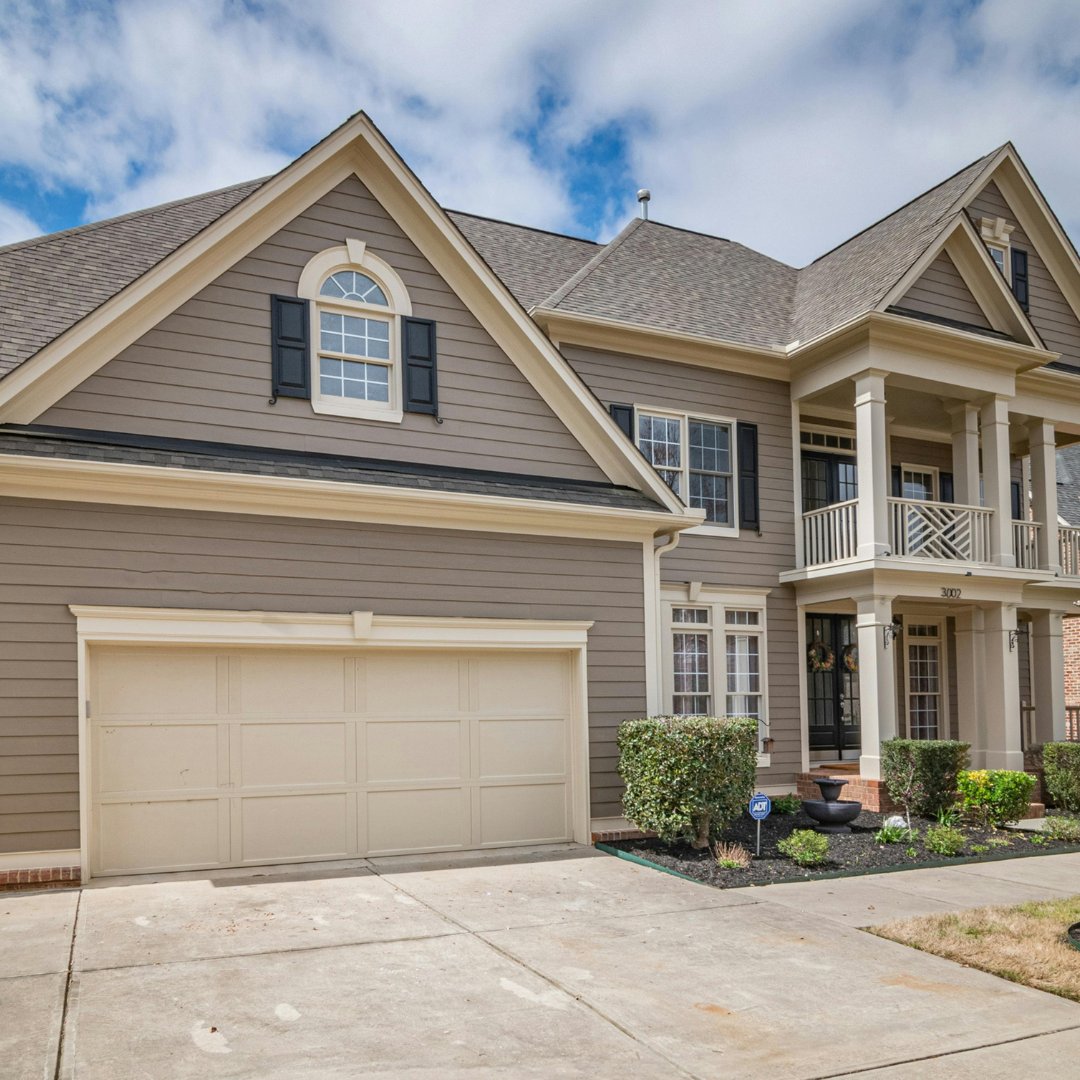
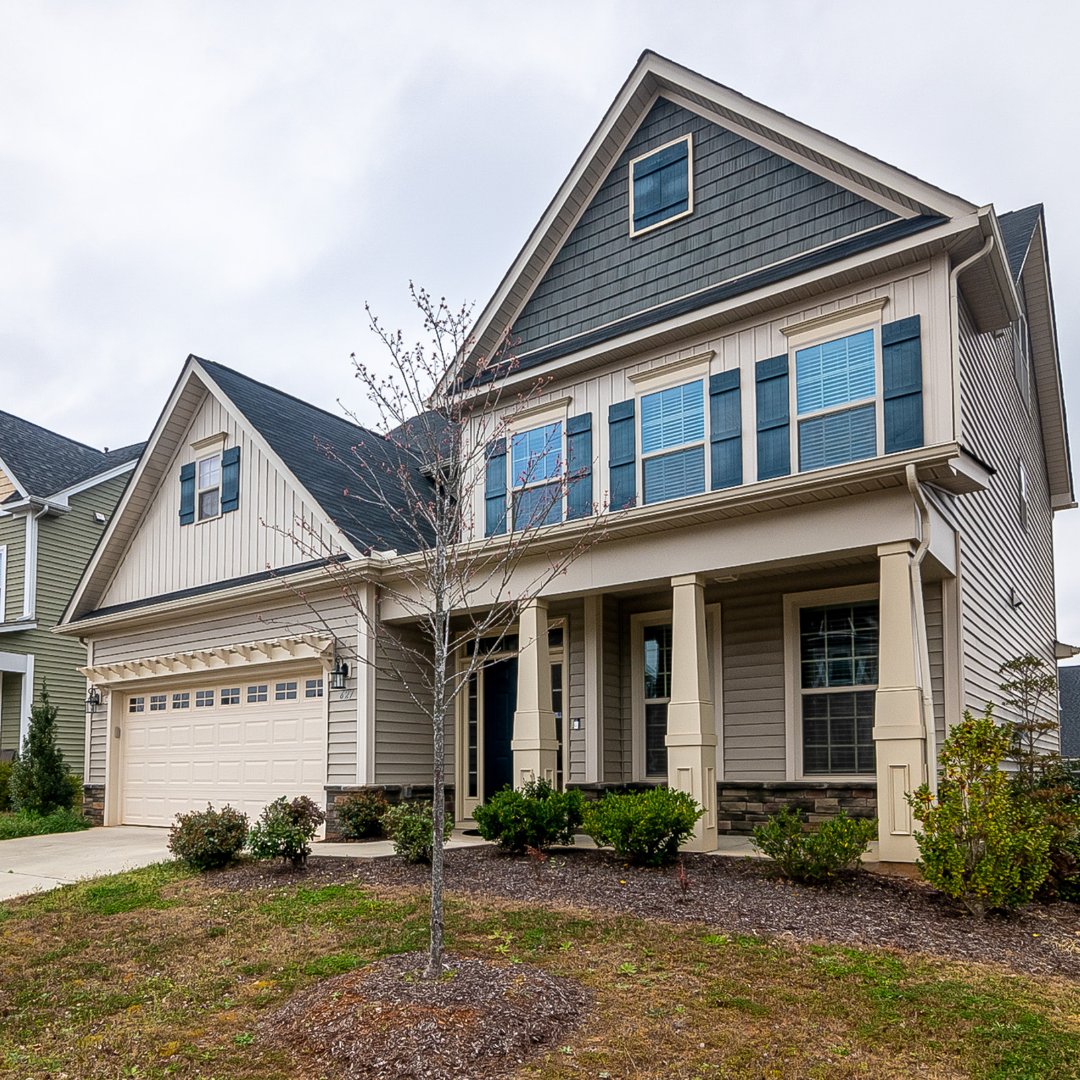
Newer construction runs considerably larger. Modern estate builds typically offer four to five bedrooms across 3,000 to 6,000-plus square feet, most often in Craftsman, modern farmhouse, or traditional Cape Cod idioms, with stone accents, deep porches, and multi-car garages. Planned enclaves such as The Preserve at Wye Mills deliver newly built custom models on half-acre to full-acre lots — low density by design, which is the point of building here in the first place.
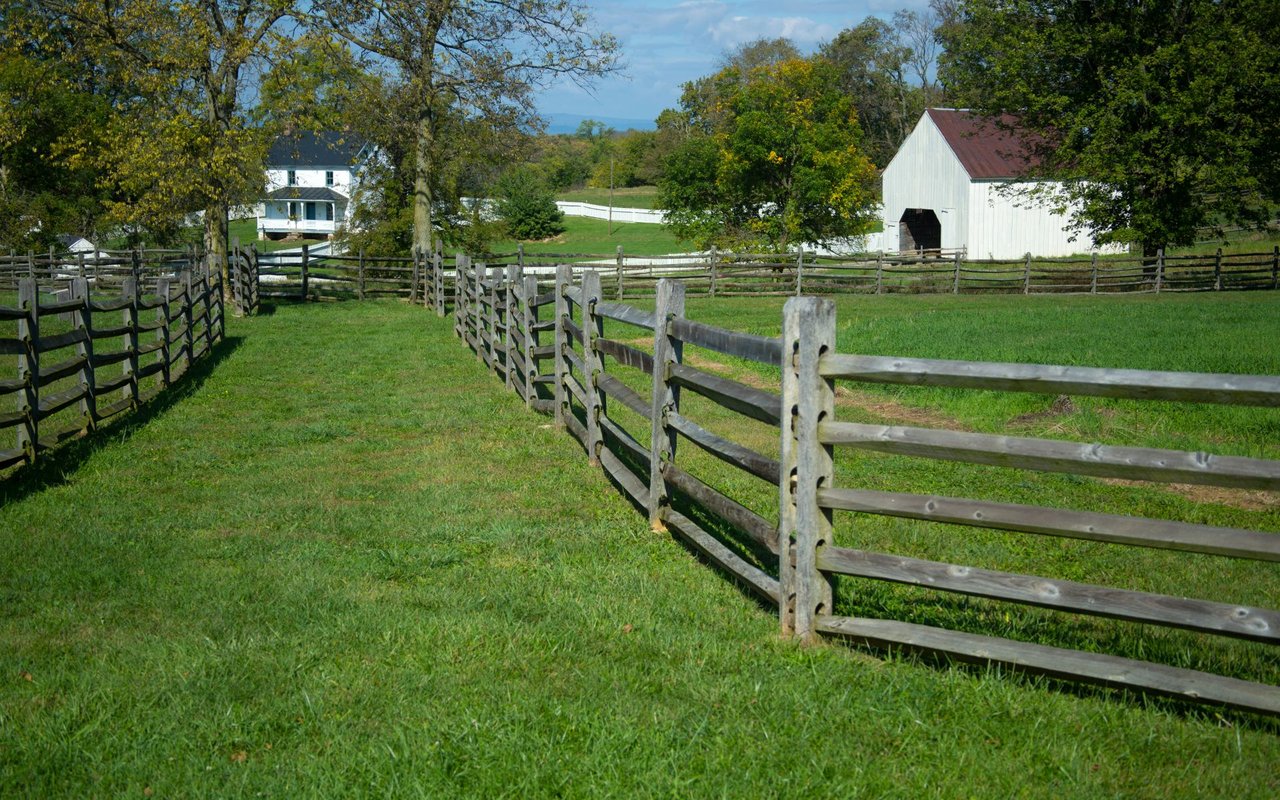
The fourth category is agricultural and semi-agricultural: horse farms, hobby farms, and private wooded retreats that come with barns, workshops, and outbuildings. These properties tend to attract buyers with a specific use case in mind rather than general home shoppers.
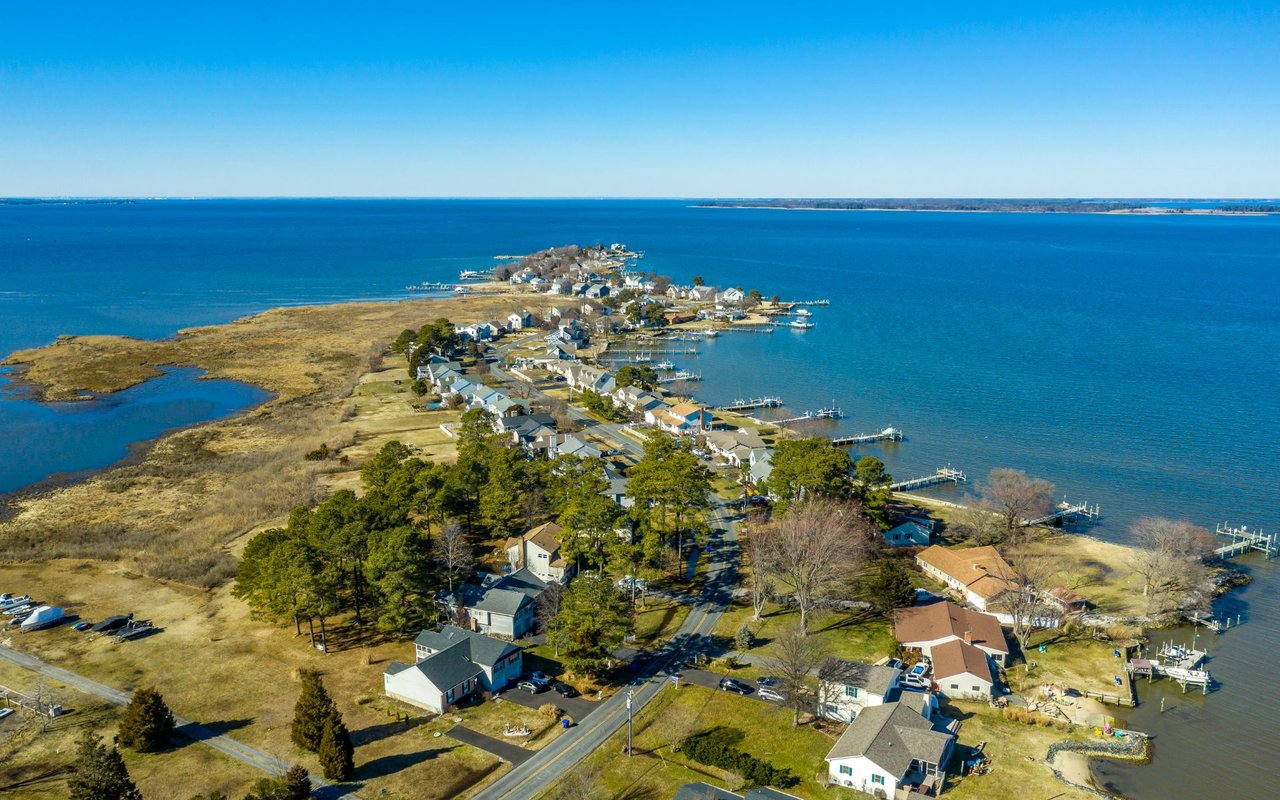
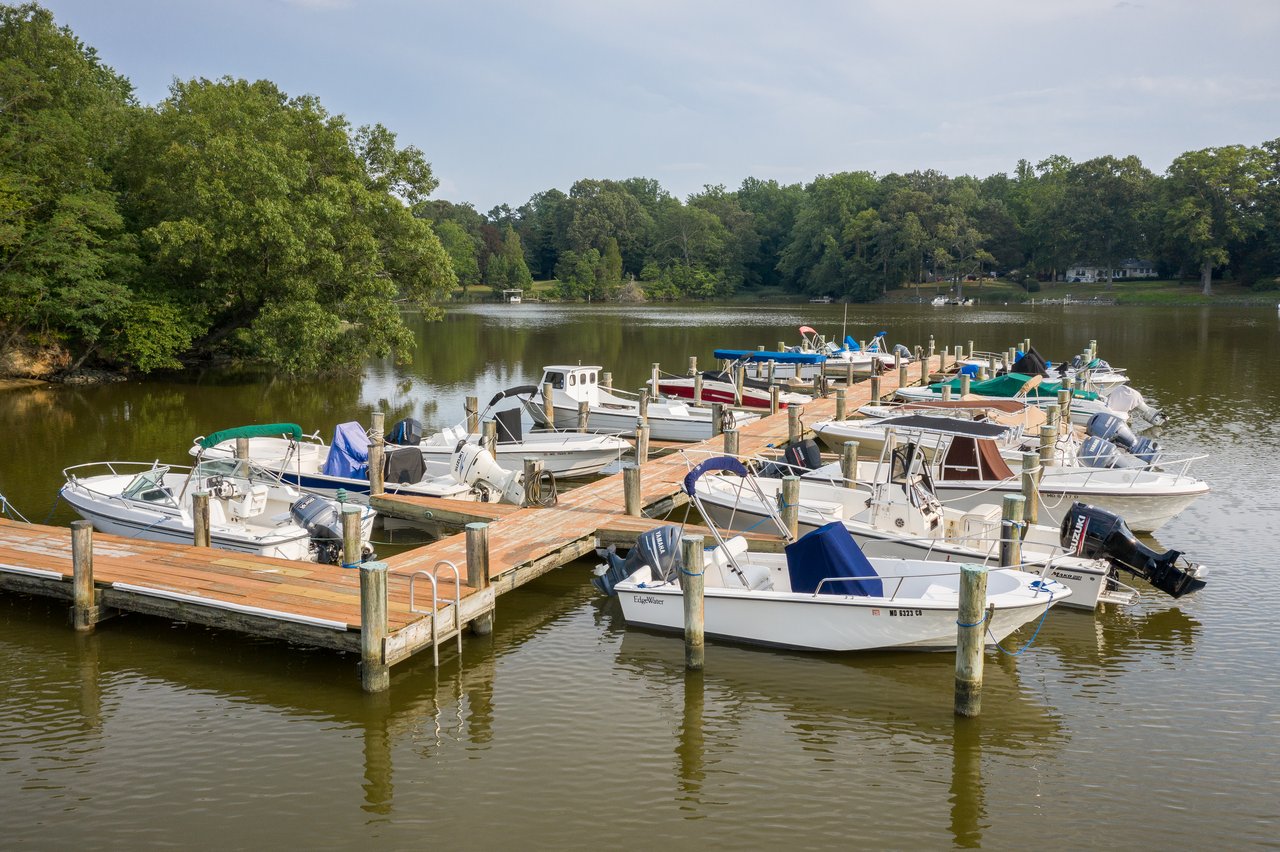
The village center sits slightly inland around Wye Mills Lake, but the community's real water story is the Wye River and Wye East River system — some of the best boating, crabbing, and paddling water on the entire Chesapeake.
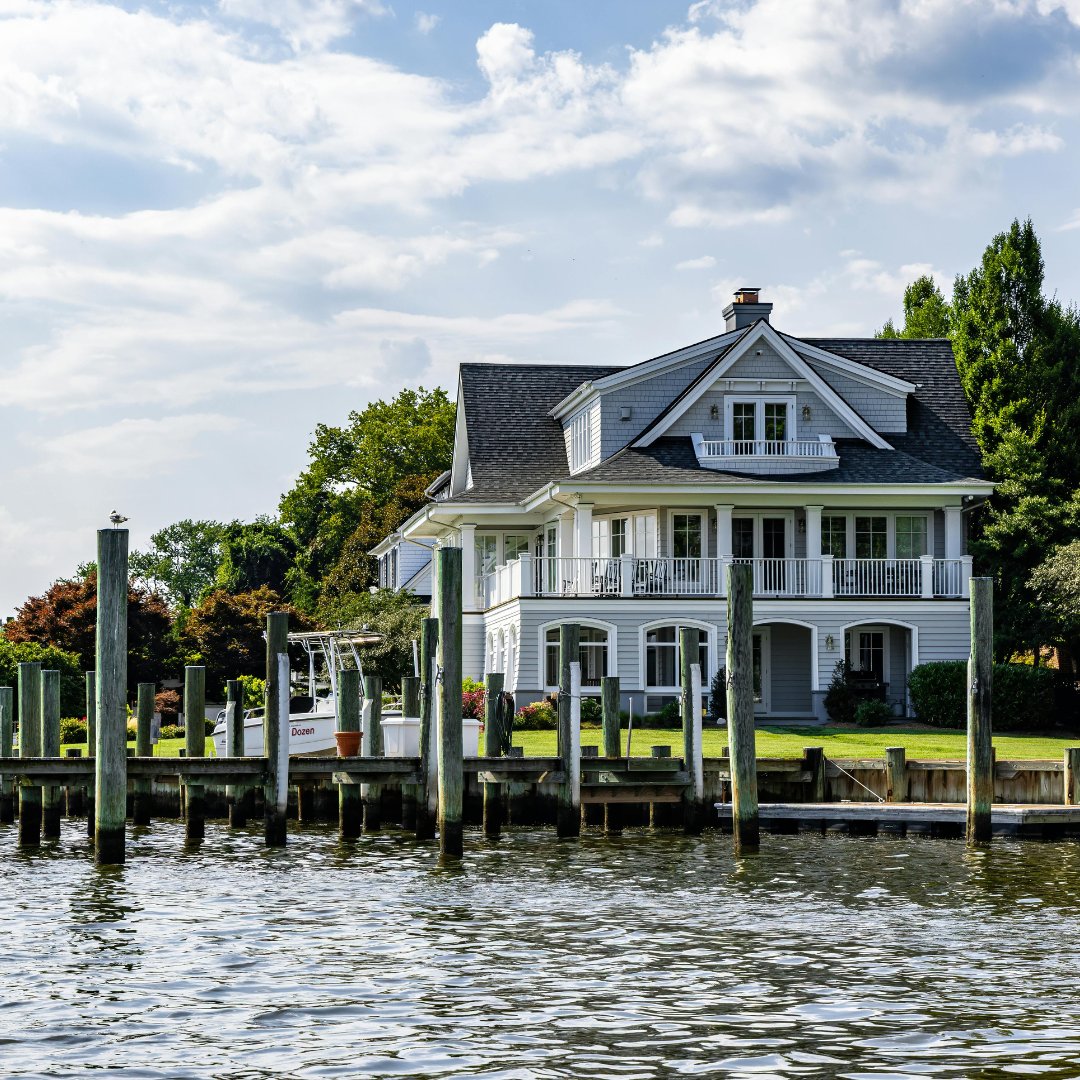
Waterfront estates along the Wye East River and its tidal creeks represent the top of the local market. These properties typically feature private deep-water docks, boat lifts, and long views across protected, largely undeveloped shoreline. Because so much of the opposite bank is conservation land, the views tend to stay the way you found them.
For buyers who want water access without waterfront pricing, Wye Landing is the key asset. Located at the end of Wye Landing Lane just south of the village, it provides a public boat ramp, trailer parking, and local boat rentals — meaning a buyer on a wooded interior lot can still be on the water in fifteen minutes. Directly across the river, the Wye Island Natural Resources Management Area offers miles of protected shoreline and soft-launch access for kayaks, canoes, and paddleboards.
One thing local anglers will tell you unprompted: the Wye system produces some of the largest blue crabs on the Shore, and its calm tidal water is genuinely well suited to paddling, not just marketed that way.
Wye Mills is one of the better places on the Mid-Shore to buy land rather than a finished house, and the opportunities fall into a few distinct categories worth understanding before you shop.
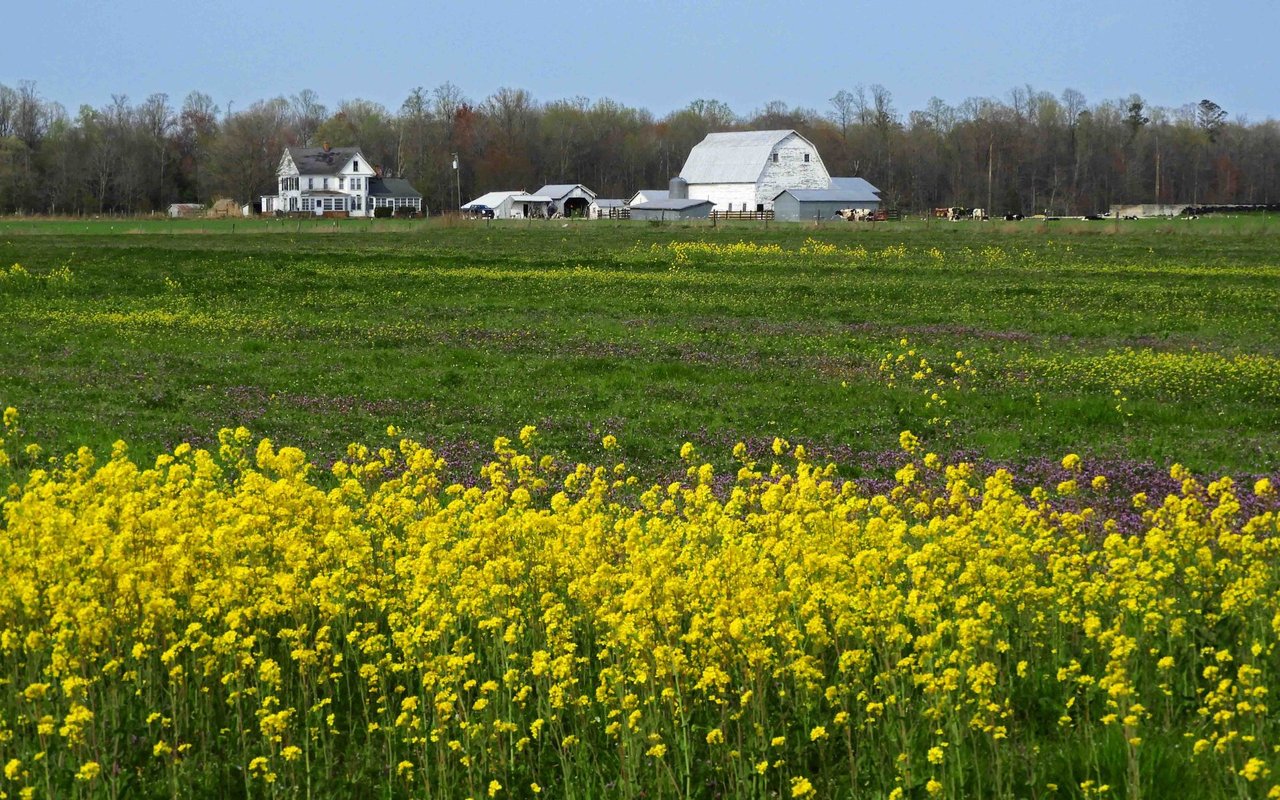
Working agricultural tracts dominate the surrounding countryside. The fertile plains here support tillable cropland — primarily corn and soybeans — in parcels ranging from 40 acres to well over 100. Many of these farms double as private waterfowl hunting grounds or conservation holdings, which affects both their value and their tax treatment.
Equestrian properties benefit from the area's open pasture, well-draining soils, and quiet back roads. Existing horse farms here often come with custom barns, riding arenas, and fenced paddocks already in place.
Residential home sites typically run one to five-plus acres and appeal to buyers planning custom builds. Established tree lines, private drives, and the absence of strict municipal restrictions are the main draws.
On pricing: unimproved residential lots generally start in the low-to-mid six figures, with soil percolation results and water access being the two variables that move the number most. Larger agricultural properties and full farmsteads regularly command $1 million and above. Any land purchase here should include perc testing and a careful review of county zoning and any conservation easements — the county line matters a great deal on this point.
For a village this small, Wye Mills carries outsized regional importance because of Chesapeake College.
Founded in 1965 as Maryland's first regional community college, it serves five Eastern Shore counties — Caroline, Dorchester, Kent, Queen Anne's, and Talbot — from a 170-acre campus in Wye Mills. That makes it a major local employer, bringing faculty, staff, students, and visitors into the community year-round rather than seasonally, which is a stabilizing influence in an area that otherwise leans heavily on agriculture and tourism.
Its workforce development programs, associate degrees, and continuing education courses feed directly into local industries: agriculture, maritime trades, healthcare, and green technology. The campus also functions as a civic gathering place, with public athletic facilities, open green space, and the Todd Performing Arts Center hosting regional cultural events.
For homeowners, the practical effect is a steady baseline of activity and amenity access that a village of this size would not otherwise support.
Two state-managed properties put substantial protected land within minutes of most Wye Mills addresses.
Wye Island Natural Resources Management Area covers 2,800 acres between the Wye River and Wye East River. It offers more than six miles of flat, easy hiking trails — the Schoolhouse Woods Nature Trail and Ferry Point Landing Trail among them — and functions as a sanctuary for wintering waterfowl, bald eagles, and the Delmarva Fox Squirrel. Soft-launch sites make it a favorite for kayakers and paddleboarders, and Drum Point provides a quiet stretch of soft beach.
Wye Oak State Park is modest in acreage but heavy in significance. It preserves the site of the champion Wye Oak, where visitors can view a section of the original trunk under an open-air pavilion and see the thriving clone planted in the parent tree's exact footprint. The restored colonial-era one-room brick schoolhouse on the grounds is worth the stop as well.
The value here is that both are protected in perpetuity. Buyers near these properties are buying a view and a neighbor that will not change.
Because Wye Mills spans the Queen Anne's–Talbot county line, school zoning depends entirely on which side of that line a property sits. This is the detail buyers most often get wrong, and it is worth verifying on a specific address rather than assuming based on the mailing address.
County | Elementary | Middle | High |
|---|---|---|---|
Queen Anne's (north) | Kennard Elementary | Centreville Middle | Queen Anne's County High |
Talbot (south) | White Marsh Elementary | Easton Middle | Easton High |
Independent options in the immediate area are unusually strong for a rural region. The Gunston School in nearby Centreville is a co-educational college preparatory high school sited on the Corsica River. Wye River Upper School, also in Centreville, is an independent high school built specifically for bright students with learning differences. Saints Peter & Paul School in Easton offers Catholic PreK–12 education.
Wye Mills occupies a transportation position that most rural Eastern Shore villages simply do not have.
U.S. Route 50 (Ocean Gateway) runs along the edge of the community and is the main artery across the Shore. Westbound, it delivers a direct 25-mile run to the Chesapeake Bay Bridge, putting Annapolis roughly 35 miles out and Baltimore or Washington in the 60 to 65 mile range. Eastbound and south, it connects to Easton, Cambridge, and eventually Ocean City.
Maryland Route 213 (Augustine Herman Highway) actually originates in Wye Mills, at MD 662 near Chesapeake College. It serves as the scenic north–south backbone of the upper Shore, running toward Centreville and Chestertown before linking to U.S. 301 and I-95 near the Delaware and Pennsylvania borders.
For daily needs, Easton is about 12 miles south with regional medical centers, the Easton Airport, dining, and retail. Centreville is about 10 miles north for county government and local services.
Bay Bridge traffic is a real consideration for anyone commuting west, particularly on summer weekends. Buyers planning a regular commute should test the drive at the hours they'd actually be making it.
This is a specific place that suits specific buyers well, and it's better to be clear about that than to oversell it.
Wye Mills works particularly well for commuters to Annapolis or the D.C. metro who work hybrid schedules and want acreage rather than a suburban lot. It suits retirees and downsizers looking for a low-density, coastal-country setting with Easton's healthcare and Chesapeake College's programming close at hand. It's a natural fit for boaters, anglers, and paddlers who want the Wye River system and Wye Island's protected acreage at their doorstep. And it's among the best options on the Mid-Shore for custom home builders and land buyers — those establishing horse farms, hobby farms, or multi-acre estates outside the constraints of a planned community.
It's a weaker fit for buyers who want walkability, a restaurant scene, or a neighborhood social calendar. Wye Mills does not offer those, and the buyers who are happiest here are the ones who came for what it does have.
Wye Mills is a small market where the right property often moves before it reaches a public search, and where the county line, perc results, and water access details can change the math on a purchase considerably. That's the kind of nuance that comes from working the Mid-Shore for decades. Benson & Mangold Real Estate has served this region for over 60 years and closed more than $650 million in sales in 2025, making us the Mid-Shore's number one firm. Our 90-plus agents average roughly 20 years of experience across residential, waterfront, luxury estate, farm, and land transactions throughout Talbot, Queen Anne's, Dorchester, Caroline, and Kent Counties. Whether you're looking for a historic farmhouse near the mill, a waterfront estate on the Wye East River, or acreage to build on, we can help you evaluate it properly. Reach us at (410) 822-1415 or [email protected], or visit our office at 27999 Oxford Rd, Oxford, MD 21654. We'd be glad to show you Wye Mills.
There's plenty to do around Wye Mills, including shopping, dining, nightlife, parks, and more. Data provided by Walk Score and Yelp.
Explore popular things to do in the area, including Herb'n Craft, Wye Mills Market, and Wye Mills Country Store.
| Name | Category | Distance | Reviews |
Ratings by
Yelp
|
|---|---|---|---|---|
| Dining · $$ | 1.29 miles | 6 reviews | 5/5 stars | |
| Dining | 1.65 miles | 0 reviews | 0/5 stars | |
| Dining · $ | 1.65 miles | 0 reviews | 0/5 stars | |
| Dining · $$ | 1.88 miles | 50 reviews | 2.7/5 stars | |
| Active | 1.93 miles | 3 reviews | 3.7/5 stars | |
|
|
||||
|
|
||||
|
|
||||
|
|
||||
|
|
||||
|
|
Wye Mills has 171 households, with an average household size of 3. Data provided by the U.S. Census Bureau. Here’s what the people living in Wye Mills do for work — and how long it takes them to get there. Data provided by the U.S. Census Bureau. 431 people call Wye Mills home. The population density is 226 and the largest age group is Data provided by the U.S. Census Bureau.
Total Population
Population Density Population Density This is the number of people per square mile in a neighborhood.
Median Age
Men vs Women
Population by Age Group
0-9 Years
10-17 Years
18-24 Years
25-64 Years
65-74 Years
75+ Years
Education Level
Total Households
Average Household Size
Average individual Income
Households with Children
With Children:
Without Children:
Blue vs White Collar Workers
Blue Collar:
White Collar: