By Benson & Mangold
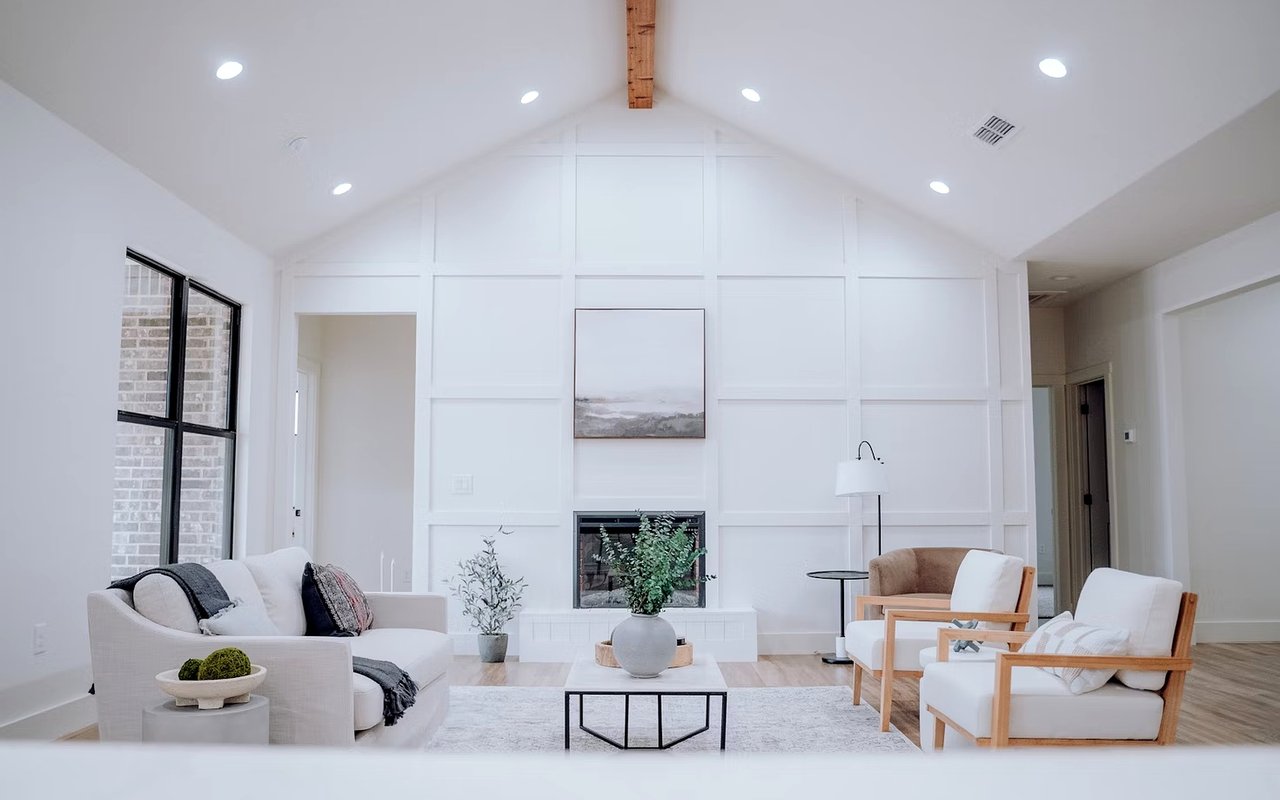
When buyers walk through a home for the first time, they are not just looking at square footage. They are imagining their life inside those walls. That first impression, formed within mere seconds of stepping through the front door, can determine whether a buyer leaves excited or indifferent. The good news is that creating a spacious, inviting atmosphere does not require a major renovation or a never-ending budget. It requires intention.
Sellers in the Easton, MD, area are navigating a market where presentation matters enormously. Buyers are weighing their options carefully, and homes that feel open, bright, and welcoming consistently attract more interest and stronger offers. Whether your home is a waterfront property along the Miles River or a classic Colonial on a quiet street near downtown, the same principles apply: buyers want to feel at home.
This guide walks you through the most effective strategies to make your home feel larger and more inviting before it hits the market so that every showing works in your favor.
Key Takeaways
- Decluttering and depersonalizing are the highest-return steps you can take before listing your home.
- Light plays a critical role in how spacious a room feels, and simple adjustments can make a dramatic difference.
- Strategic furniture placement helps buyers perceive rooms as larger and more functional.
- Curb appeal sets expectations before buyers ever step inside, so first impressions start outside.
- Neutral, cohesive styling allows buyers to picture themselves in the space rather than focusing on your personal taste.
Declutter With Purpose
The single most impactful step you can take to make your home feel more spacious is to remove what does not need to be there. Clutter shrinks a room visually and distracts buyers from the home's actual features. When every surface is cleared and every corner is purposeful, rooms look larger and more livable.
Start with the surfaces. Kitchen countertops, bathroom vanities, and shelving units should hold only what is essential. Pack away small appliances, decorative collections, and anything that adds visual noise. Open countertops suggest storage and space — two things buyers are always looking for.
Move through each room systematically and ask yourself whether each item adds to the buyer's experience or detracts from it. Be honest. Furniture that crowds a room should be moved to storage, even if it is something you love. The goal is not to make your home look empty but to give each room room to breathe.
Areas That Benefit Most From Decluttering
- Kitchen countertops and open shelving, where accumulated items can make spaces feel cramped and chaotic.
- Closets and storage areas, since buyers will open every door — and a packed closet signals a lack of storage.
- Entryways and foyers, which set the tone for the entire showing and should feel calm and welcoming.
- Bookshelves and display surfaces, where editing down to a few curated items reads as intentional rather than sparse.
- Garage and basement spaces, which buyers use to assess whether there is room for their own belongings.
Let the Light In
Brightness is one of the most powerful tools you have when preparing your home for sale. Buyers consistently describe light-filled rooms as feeling larger, cleaner, and more appealing. In Easton, where natural light and outdoor views are top selling points, maximizing brightness inside is worth every effort.
Start by pulling back window treatments or replacing heavy drapes with lightweight options that let in more natural light. Clean your windows inside and out. It is a small step, but sparkling windows noticeably brighten a room and communicate that the home has been well-maintained.
Supplement natural light with layered artificial lighting. A room with only one overhead fixture can feel dim even on a bright day. Add floor lamps or table lamps in darker corners, and swap out low-wattage bulbs for brighter, warmer options. Aim for consistency across rooms so that the home feels cohesive rather than patchy.
Lighting Adjustments That Make a Real Difference
- Replacing cool or harsh bulbs with warm-white LEDs creates a more inviting, residential atmosphere.
- Turning on every light in the home before a showing ensures that no space feels dark or overlooked.
- Using mirrors strategically across from the windows to reflect natural light and visually expand rooms.
- Adding under-cabinet lighting in the kitchen to brighten up workspaces and make the room feel more polished.
Edit and Arrange Furniture Thoughtfully
Furniture placement shapes how buyers perceive a room's size and function. A room filled with oversized or mismatched furniture can feel tight and confusing, while the same room with appropriately scaled pieces and deliberate spacing reads as generous and well-designed. You do not necessarily need to buy anything new; you may just need to rethink what is already there.
Float furniture away from the walls rather than pushing everything to the perimeter. It sounds counterintuitive, but pulling sofas and chairs slightly inward creates a more intentional conversation area and actually makes the room feel larger. Leave clear pathways through each room so that buyers can move easily and naturally.
Consider removing one or two pieces from rooms that feel crowded. In a dining room, for instance, removing a leaf from the table or swapping a large buffet for a smaller sideboard can open up the space noticeably. In bedrooms, nightstands and dressers should be proportional to the bed, and there should be clear floor space on all sides.
Furniture Editing Tips for Key Rooms
- In living rooms, aim for one sofa, one or two chairs, and a coffee table with clear sightlines to the windows or focal point.
- In bedrooms, remove extra seating, exercise equipment, or items that distract from the room's primary purpose.
- In home offices or flex spaces, stage the room with a clear purpose so that buyers understand how the space can work for them.
- In dining rooms, ensure that chairs are not overcrowding the table and that there is room to walk comfortably around it.
- In bathrooms, remove personal items and keep only a small number of coordinated accessories for a hotel-like feel.
FAQs
Does Decluttering Really Affect How Buyers Perceive a Home?
Yes, as buyers make rapid judgments about a home's size, condition, and value based on what they see in the first few moments of a showing. A decluttered, clean, and well-lit home consistently performs better in buyer feedback and tends to receive stronger offers. It allows buyers to focus on the home's actual features rather than being distracted by personal belongings or visual noise.
Should I Repaint Before Listing My Home?
A fresh coat of neutral paint is one of the highest-return updates you can make before listing. It makes a home feel cleaner and newer, and it allows buyers with different personal styles to picture themselves living there. Focus especially on rooms with bold or dark colors, and consider refreshing the trim and doors. If the entire interior was painted recently and is still in great condition, spot-touching problem areas may be all that is needed.
What Neutral Colors Work Best for Listing a Home?
Soft whites, warm greiges, and light taupes are consistently popular among buyers and photograph well in listing images. These tones work across many architectural styles and lighting conditions. Avoid very stark whites, which can feel cold, or very dark neutrals, which may make rooms feel smaller. Our team can point you toward specific palettes that have resonated well with buyers in the Easton real estate market.
How Important Is Lighting During a Showing?
Lighting is one of the most influential factors in how buyers experience a space. A dim room can feel smaller, older, and less appealing, regardless of its actual condition. Before every showing, turn on all lights throughout the home, open the blinds and curtains to maximize natural light, and make sure that every bulb is functioning and consistent in tone. Buyers respond to brightness, and a well-lit home communicates care and quality.
Your Home's Best Impression Starts Here
Preparing your home for the market does not have to feel overwhelming. When you approach it strategically — focusing on light, space, and presentation — the results can be striking. Buyers who walk through a home that feels clean, open, and inviting are buyers who are already imagining themselves there, and that emotional connection is what drives strong offers.
If you are thinking about listing your home in Easton or the surrounding Eastern Shore area, our team at Benson & Mangold is here to guide you through every step of the process. We know what buyers in this market are looking for, and we will help you present your home in its best possible light. Reach out to our team today to get started.
If you are thinking about listing your home in Easton or the surrounding Eastern Shore area, our team at Benson & Mangold is here to guide you through every step of the process. We know what buyers in this market are looking for, and we will help you present your home in its best possible light. Reach out to our team today to get started.