Welcome to
1,195 people live in Oxford, where the median age is 65.6 and the average individual income is $61,133. Data provided by the U.S. Census Bureau.
Total Population
Median Age
Population Density
Average individual Income
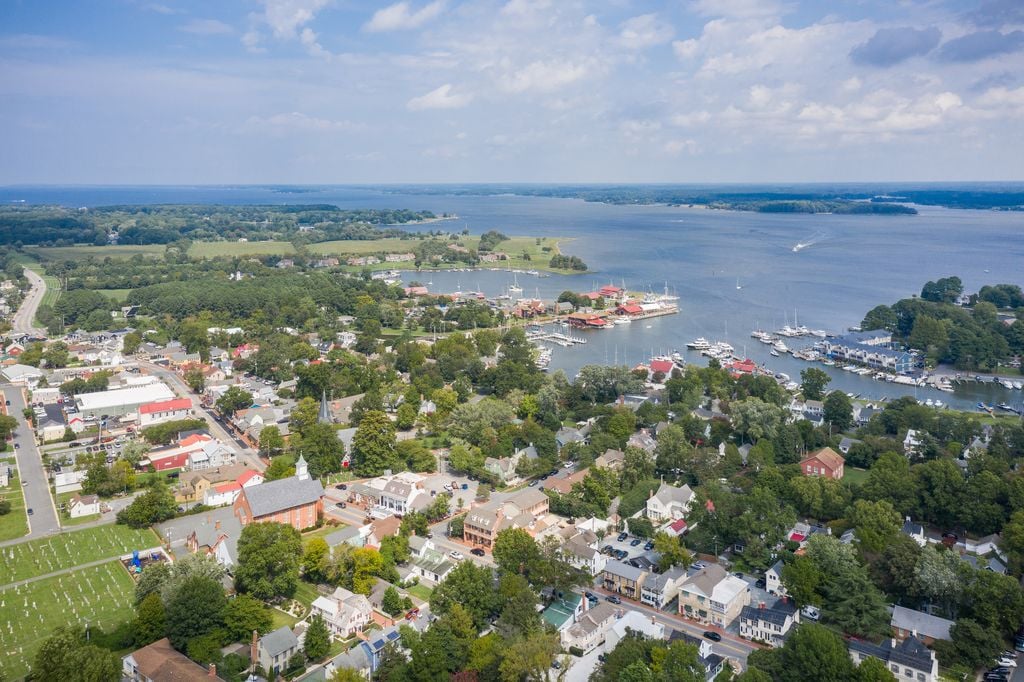
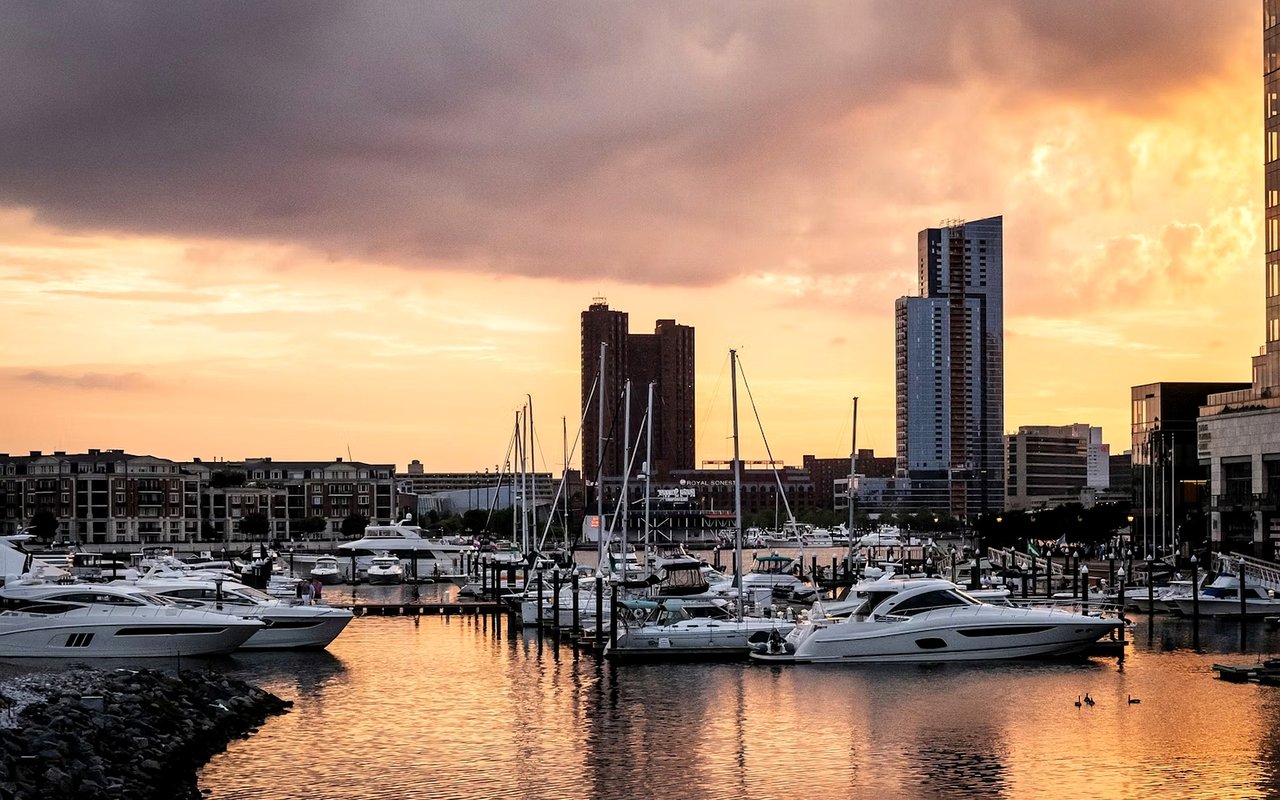
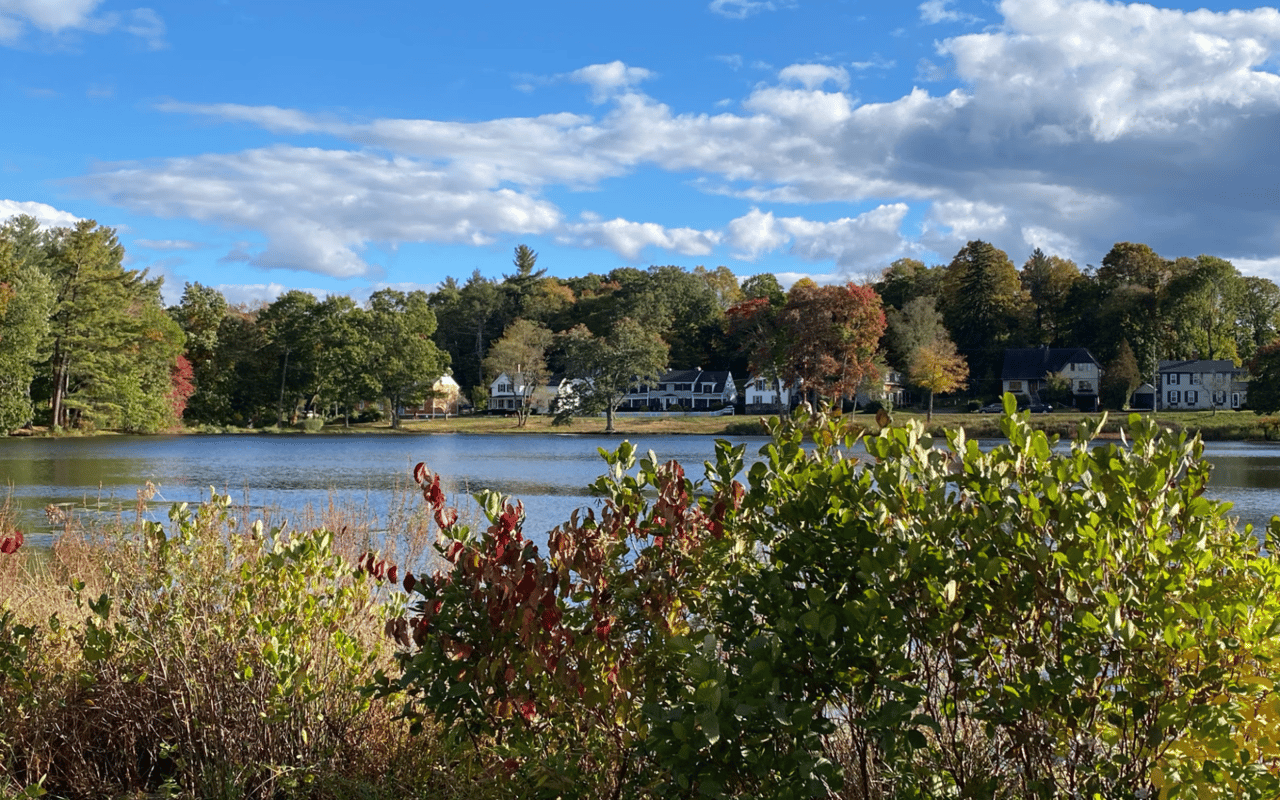
Oxford, Maryland occupies a rare space in the American real estate landscape: a town that has remained almost entirely itself. There are no chain restaurants here, no strip malls, no subdivisions carved out of cornfields. What exists instead is a Colonial-era port town of roughly 700 permanent residents, wrapped on three sides by water, where the primary sounds are rigging lines tapping against sailboat masts and the low horn of the Tred Avon ferry.
The lifestyle is deliberate. People move to Oxford because they are done with commuting, done with noise, and ready for something that feels permanent and considered. The permanent resident base skews toward successful retirees, remote-working professionals, and longtime Eastern Shore families who have held properties for generations. Second-home buyers from Washington D.C., Baltimore, and Philadelphia round out the market, many of whom eventually make Oxford their primary address.
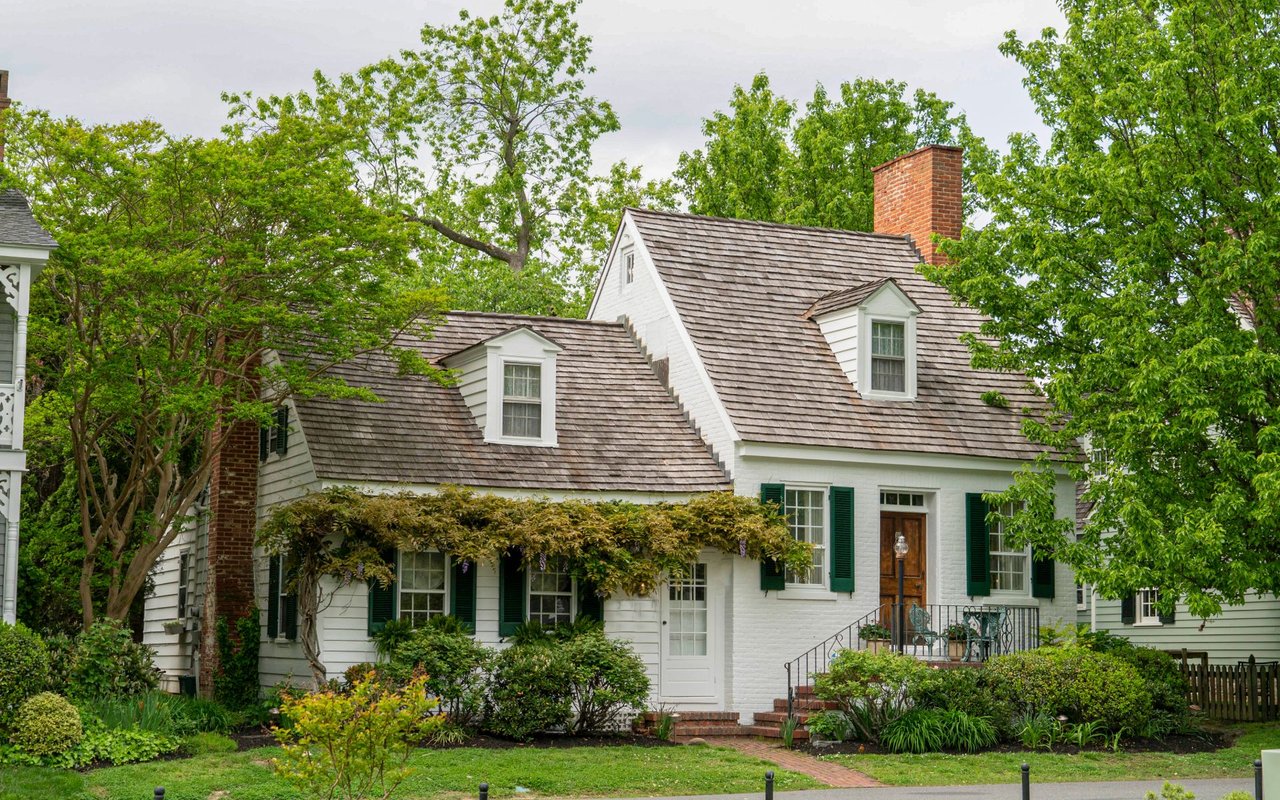
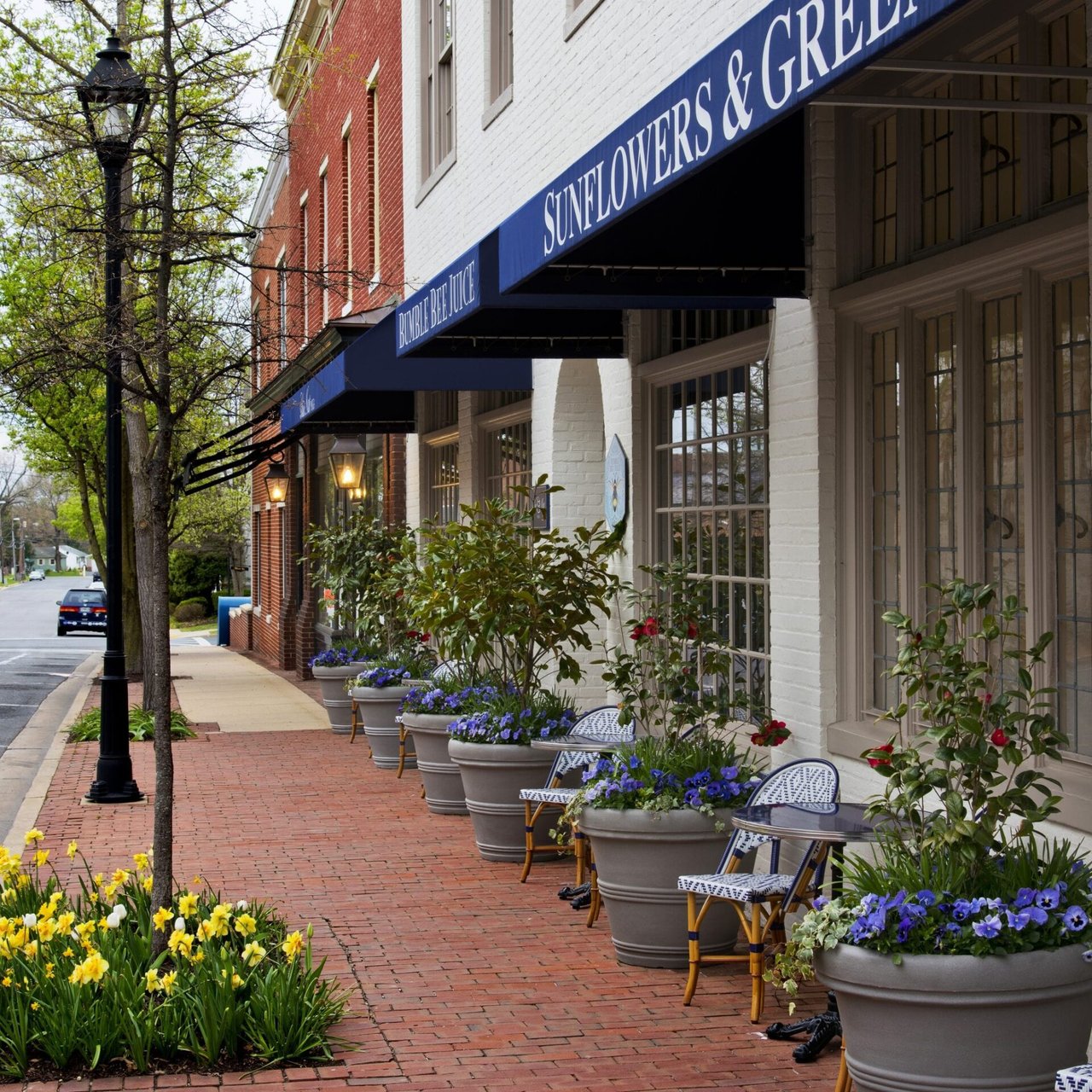
What makes Oxford genuinely distinctive is that its appeal is not manufactured. The white picket fences, the historic inn, the bike paths to the water — these are not the product of a developer's vision board. They are the result of a community that has fiercely protected what it has for over 300 years. For buyers who understand that, the value proposition is clear.
Oxford was formally platted in 1683, and for the better part of a century it functioned as one of the most important port cities in the American colonies. Designated a Port of Entry by the British Crown, it served as the primary commercial exchange between Maryland tobacco planters and British manufacturers, rivaling Annapolis in both volume and influence.
The American Revolution dismantled Oxford's commercial dominance almost entirely. As tobacco depleted the soil and trade gravity shifted toward Baltimore, Oxford contracted into a quiet fishing settlement. That quietude, it turned out, preserved everything.
The town's second act came in the late 19th century, when the oyster industry and the arrival of the railroad injected new wealth and a new architectural vocabulary. The ornate Victorian homes visible along Morris Street and the Strand today are products of that era. The "waterman" culture that defines so much of the Eastern Shore's identity — the early mornings, the physical relationship with the Bay, the pride in self-sufficiency — was cemented during this period.
What followed was a long, gentle stabilization. Oxford never industrialized. It never sprawled. The result is a town that reads like an architectural timeline: Federal-period brick structures, Victorian "Painted Ladies," and classic Eastern Shore cottages coexisting on the same quiet streets. For buyers with an appreciation for authenticity, that layered history is irreplaceable.
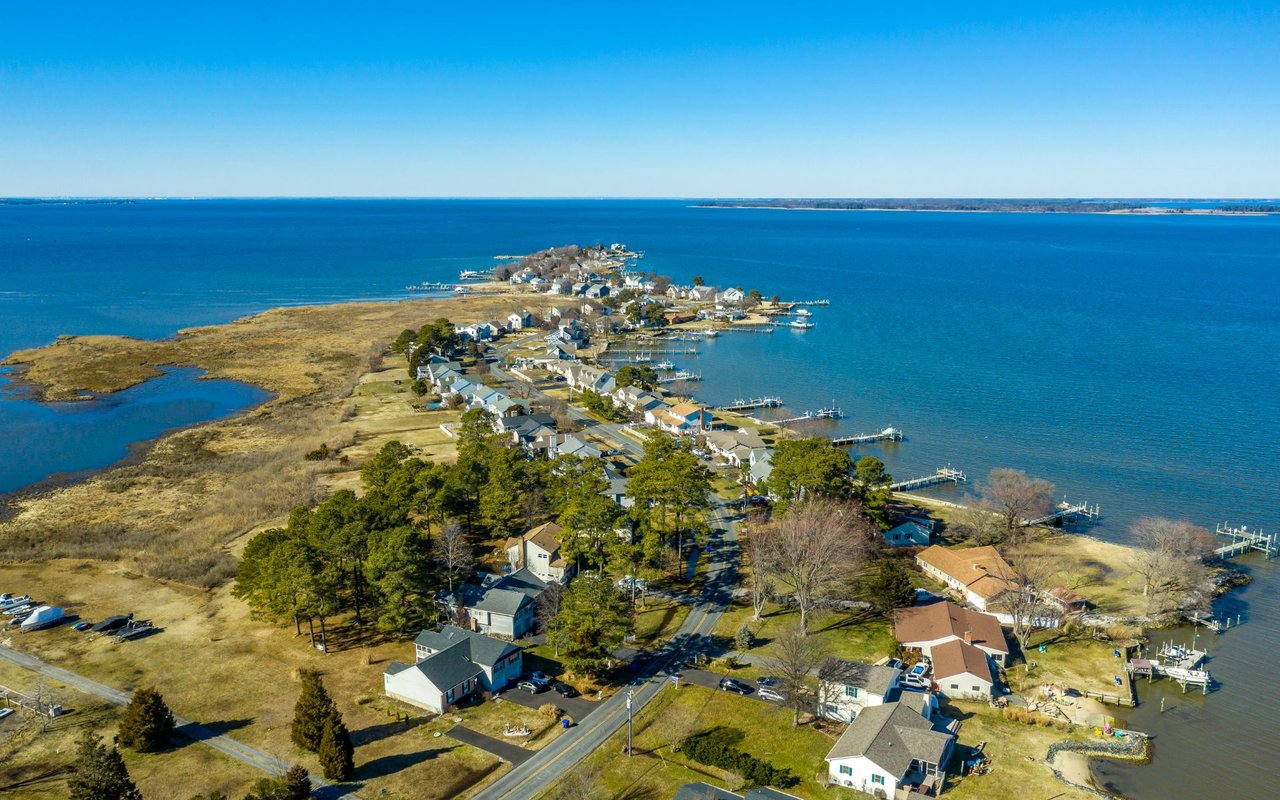
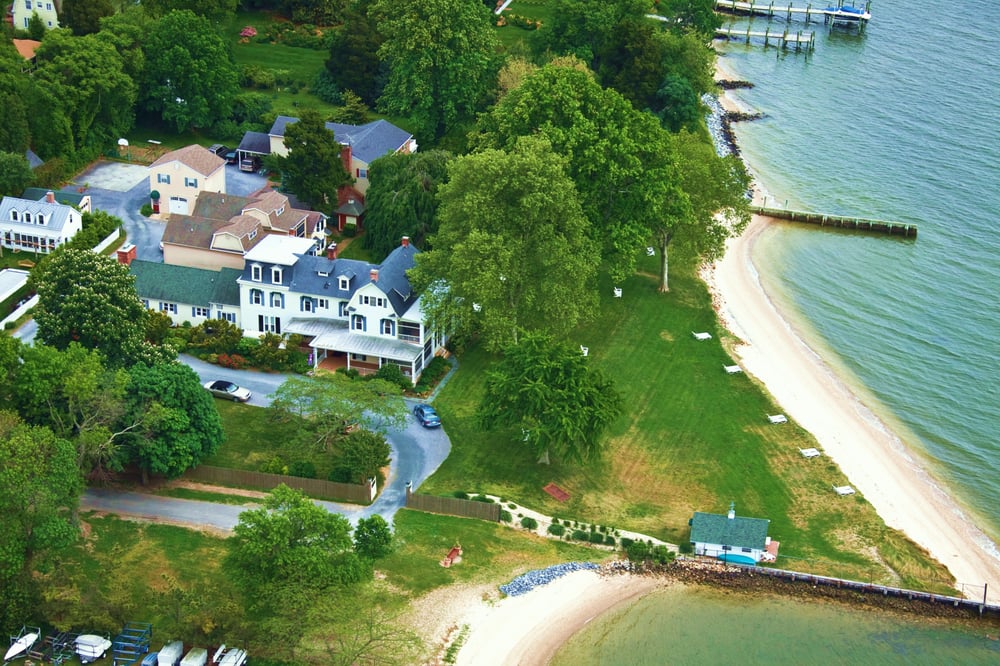
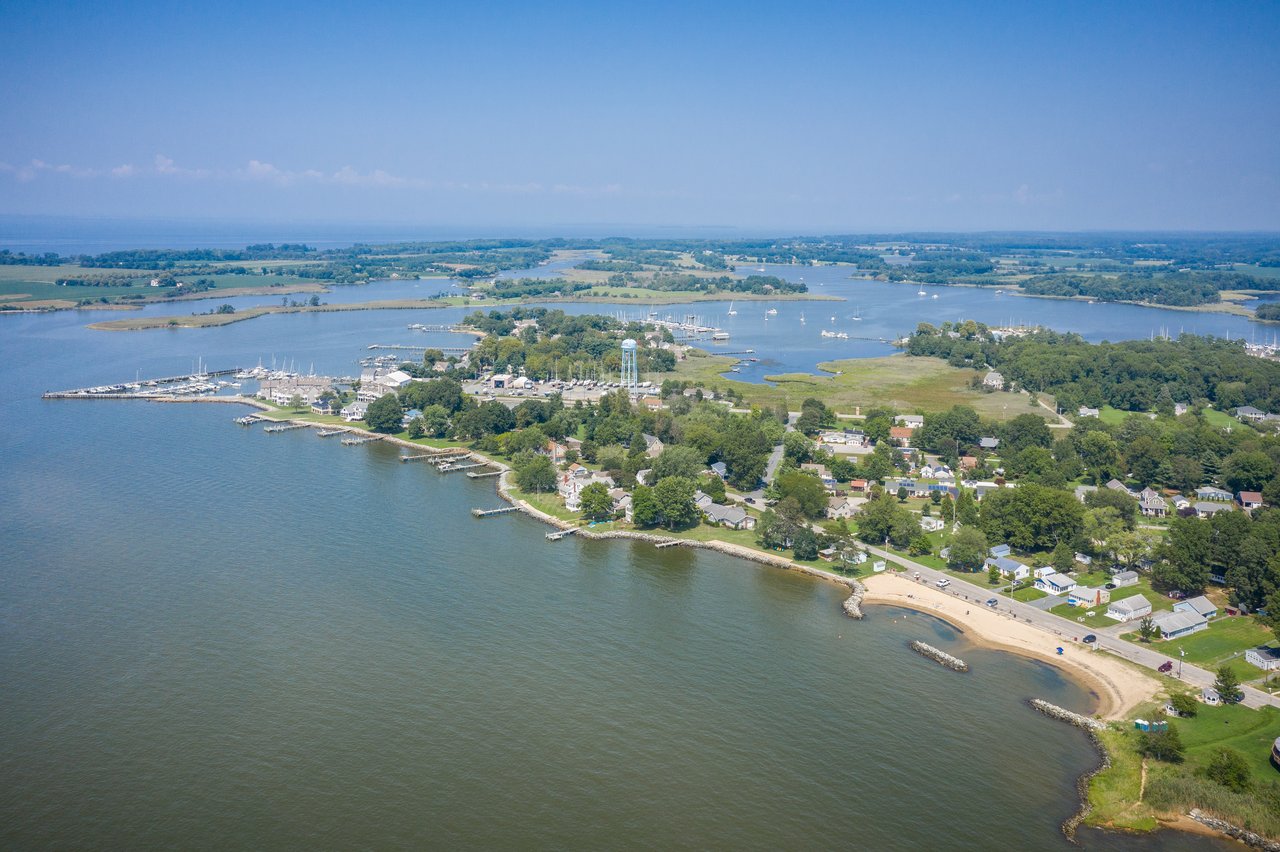
Oxford sits at the tip of the Oxford Neck peninsula in Talbot County, Maryland. The Tred Avon River borders it to the north and west; Town Creek defines its eastern edge. There is one road in — MD Route 333, locally known as Oxford Road — and the same road out. That geographical reality shapes everything about the town, from its real estate values to its pace of life.
In practical terms, Oxford is about 10 miles southwest of Easton, the Talbot County seat, which provides the full range of retail, medical, and professional services that Oxford itself does not. Annapolis is roughly 60 to 75 minutes away, depending on Bay Bridge traffic. Washington D.C. and Baltimore are both in the 90-minute to two-hour range under normal conditions.
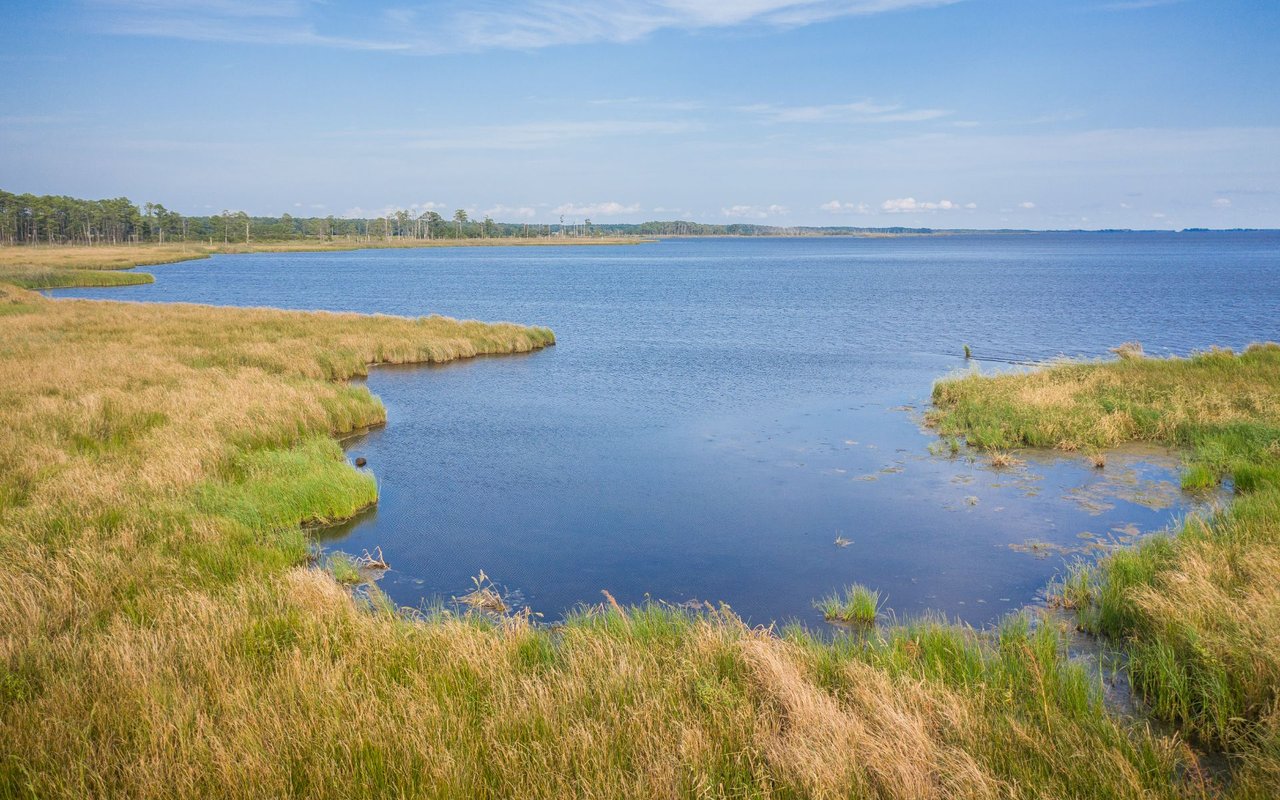
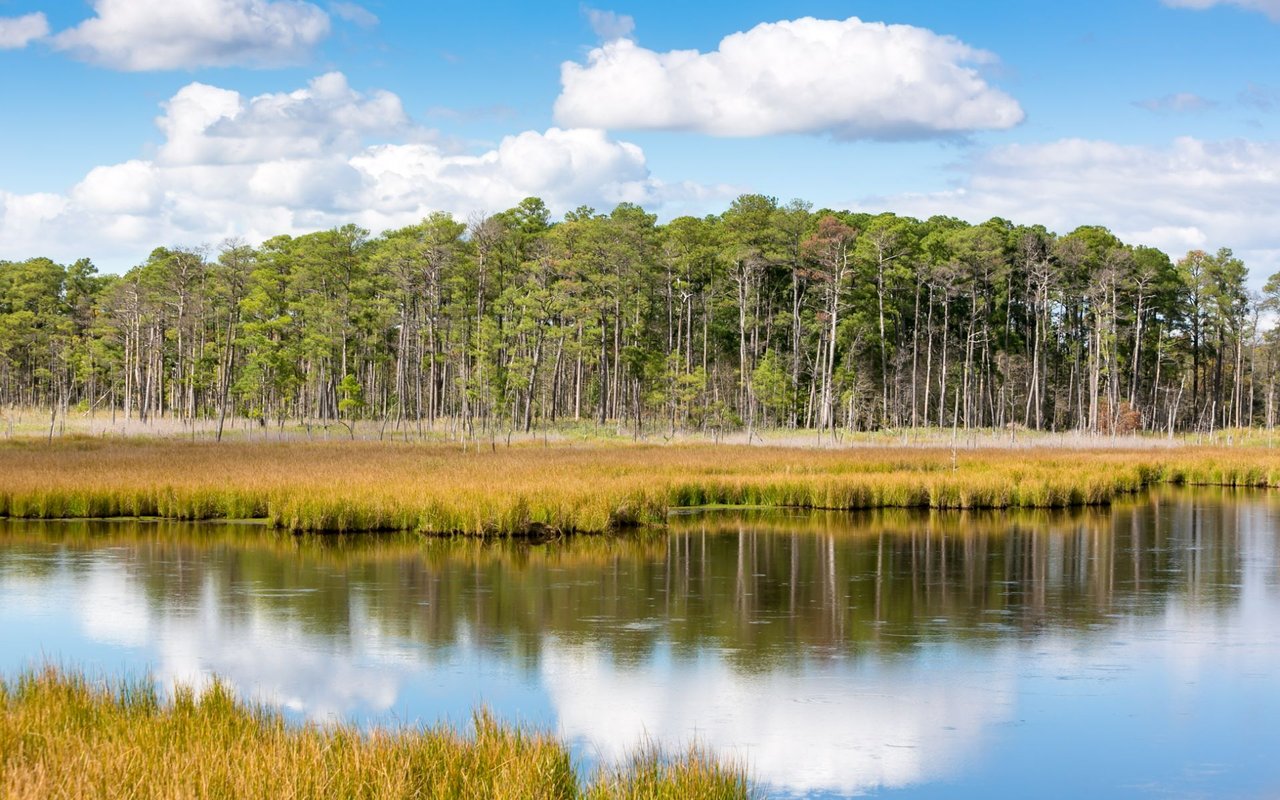
The terrain is classic Chesapeake Coastal Plain: flat, low-lying, and lush. The average elevation hovers around four feet above sea level, which means the town's relationship with tidal water is constant and consequential. Shorelines transition between manicured bulkheads, sandy pocket beaches, and salt marshes that support ospreys, blue herons, and striped bass populations.
Climatically, Oxford benefits from its proximity to the Bay. Winters are moderated — what would be snowfall inland frequently arrives as rain here. Spring and fall are considered the peak seasons, with mild temperatures and consistent bay breezes. Summers are warm and humid, though the water provides relief that purely inland locations cannot match.
The Oxford market operates by different rules than almost anywhere else in Maryland. Transaction volume is low, price points are high, and properties often represent generational decisions rather than routine purchases. That context is essential for understanding what the numbers mean.
As of early 2026, the market has settled into a more measured rhythm following the sharp appreciation of the pandemic years. The average home value sits near $853,000, though the median sale price fluctuates considerably — sometimes between $650,000 and $1.3 million — because so few homes change hands in any given year. Waterfront estates regularly trade between $2 million and $5 million or more.
Active inventory at any given time sits at roughly 10 to 15 listings. This is not a temporary condition; it is structural. The peninsula's fixed geography and Oxford's strict zoning prevent new supply from entering the market in any meaningful volume. What comes available tends to stay in circulation for 120 to 150 days, which is longer than many buyers expect but is standard for a luxury secondary-home market where buyers are deliberate rather than rushed.
Appreciation has normalized to approximately 1% to 2% annually after a period of outsized post-pandemic growth. Current conditions favor sellers in terms of inventory scarcity, but higher interest rates and extended marketing timelines have restored some negotiating leverage to well-qualified buyers. The market rewards patience on both sides.
Oxford's housing stock reflects a town that was largely built out over a century ago and has been carefully maintained since. New construction is extremely rare.
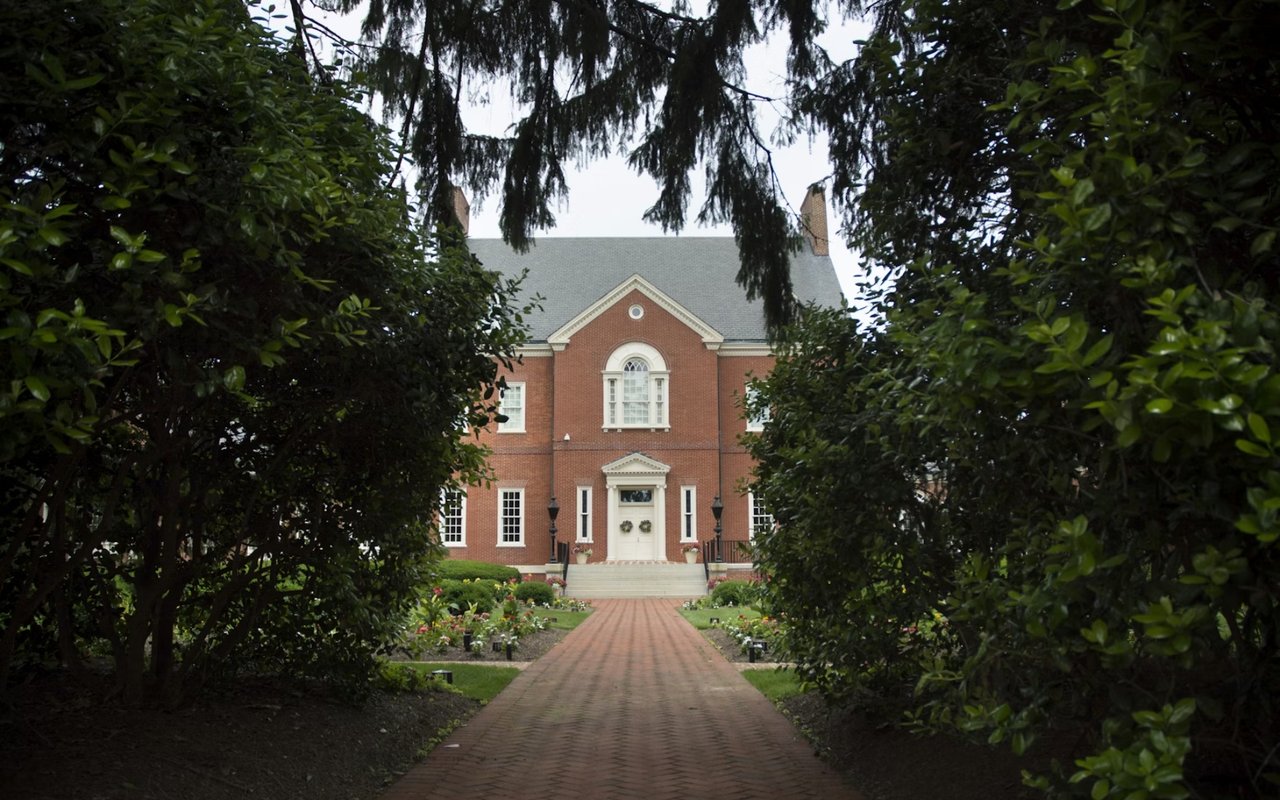
Historic Single-Family Homes form the core of Oxford's residential identity. Federal and Colonial brick structures from the 18th century sit alongside ornate Victorian homes from the oyster boom era. Properties within the Historic District are subject to review by the Historic Preservation Commission for any exterior modifications, which preserves the streetscape but adds a layer of planning consideration for buyers who intend to renovate.
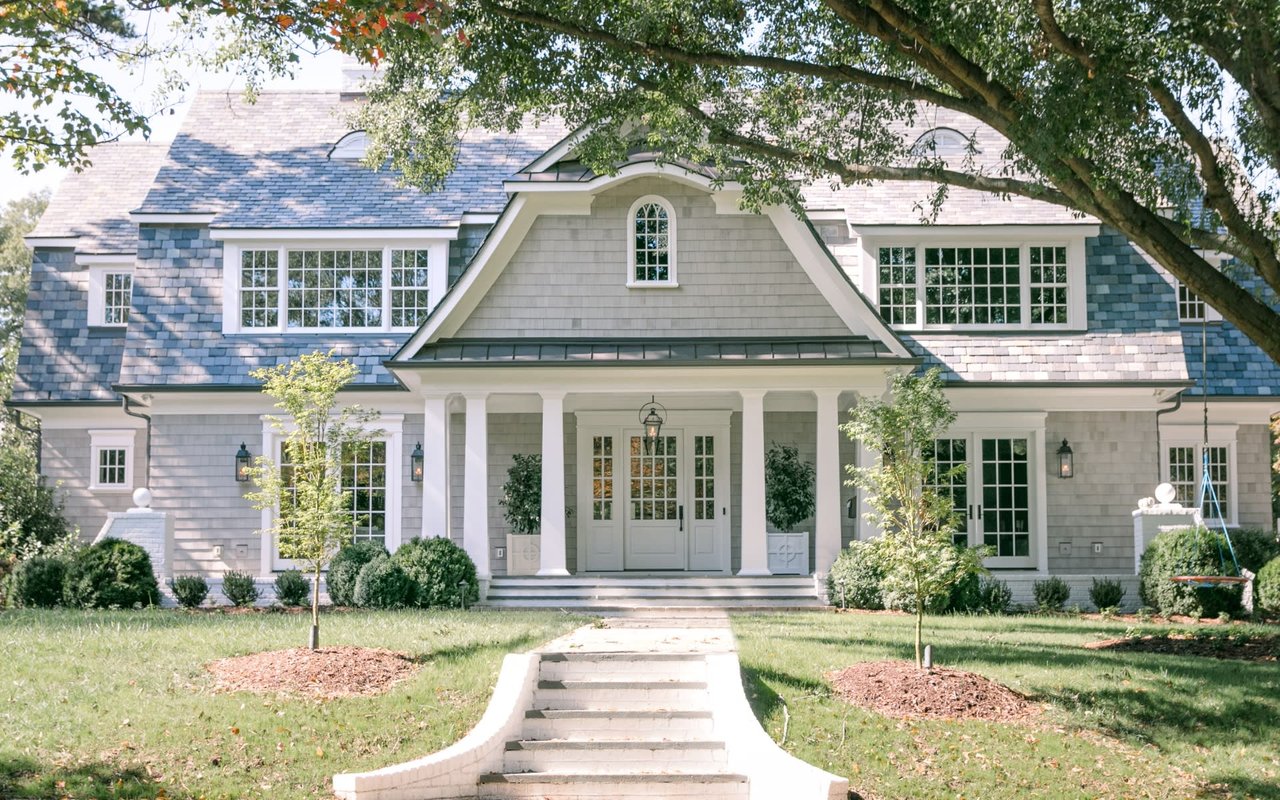
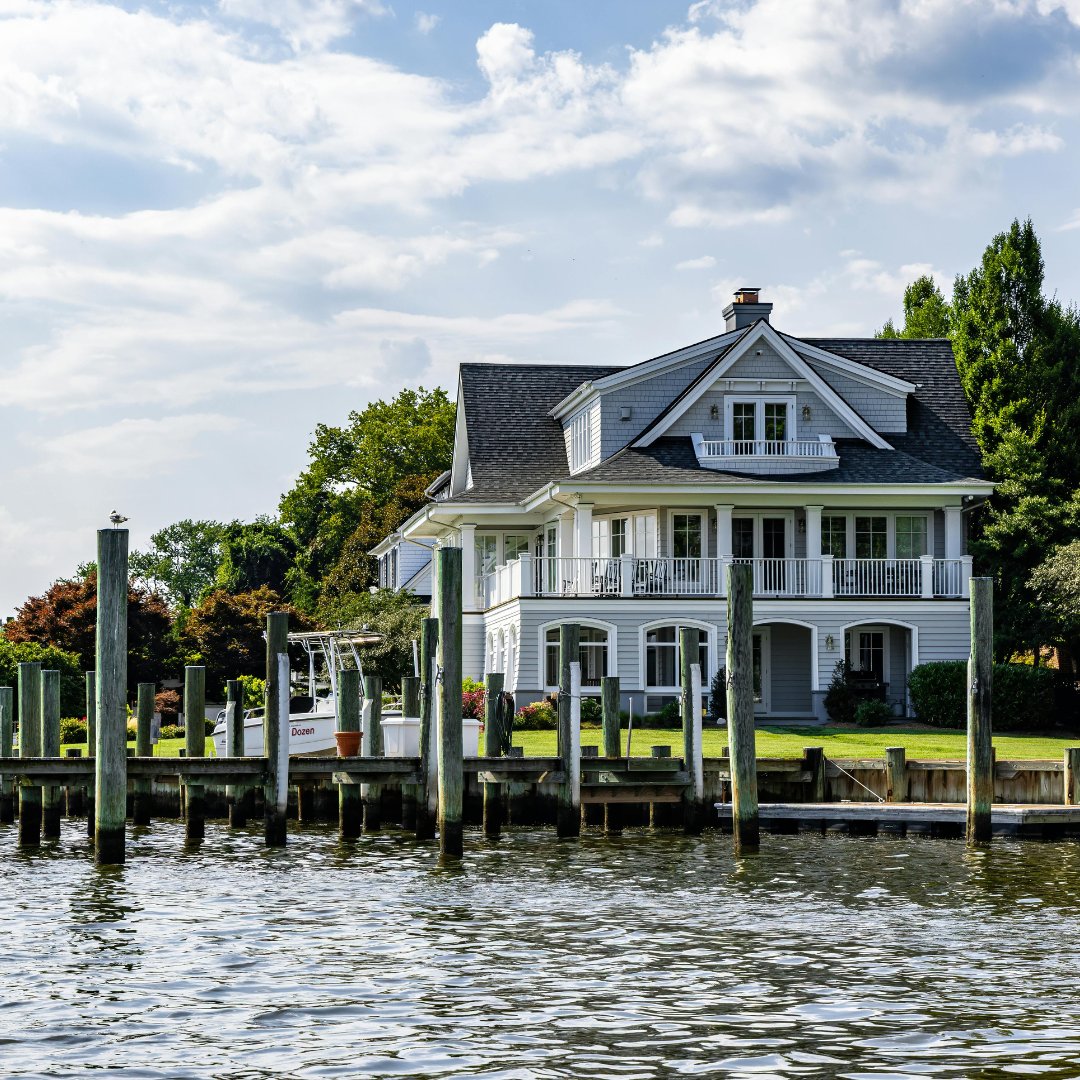
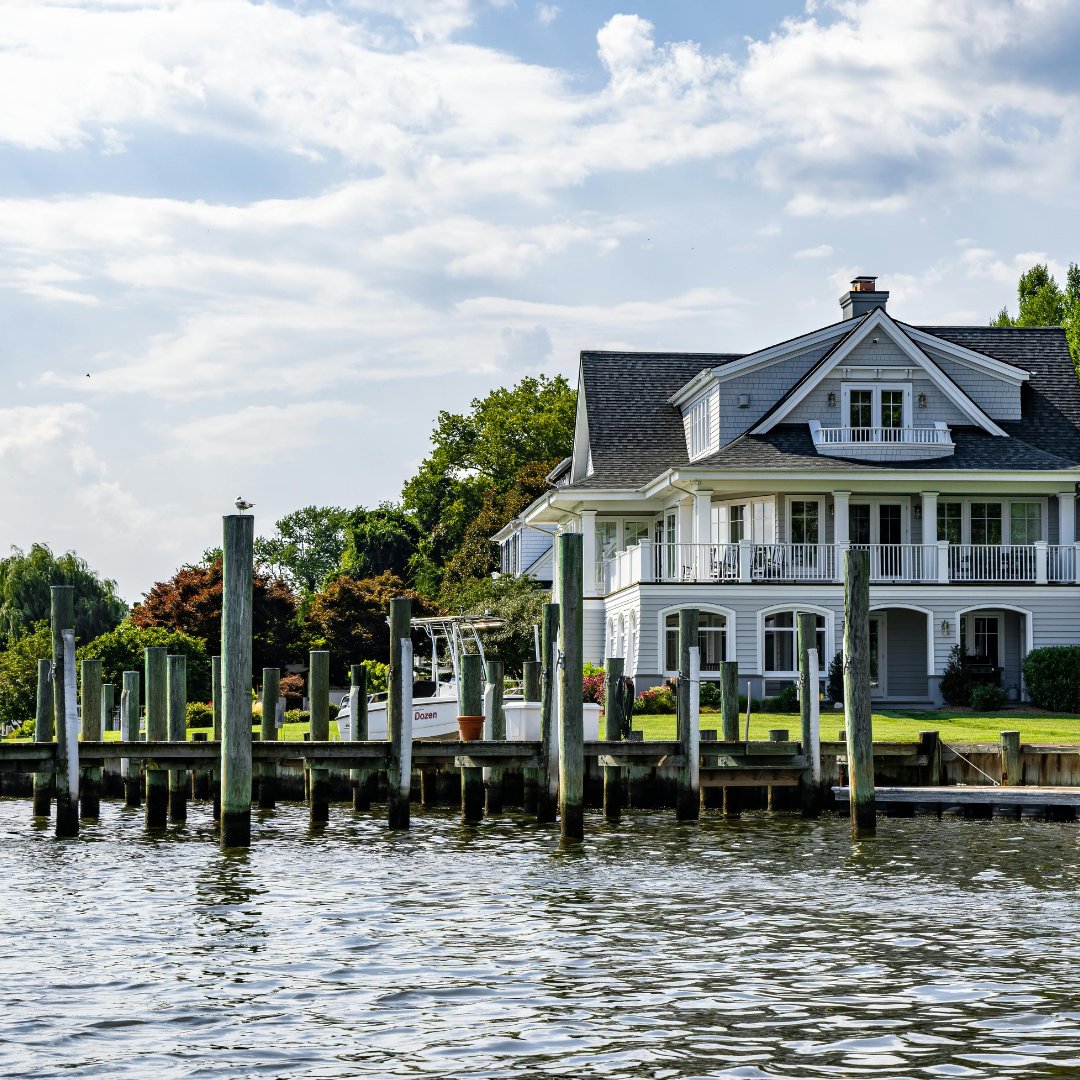
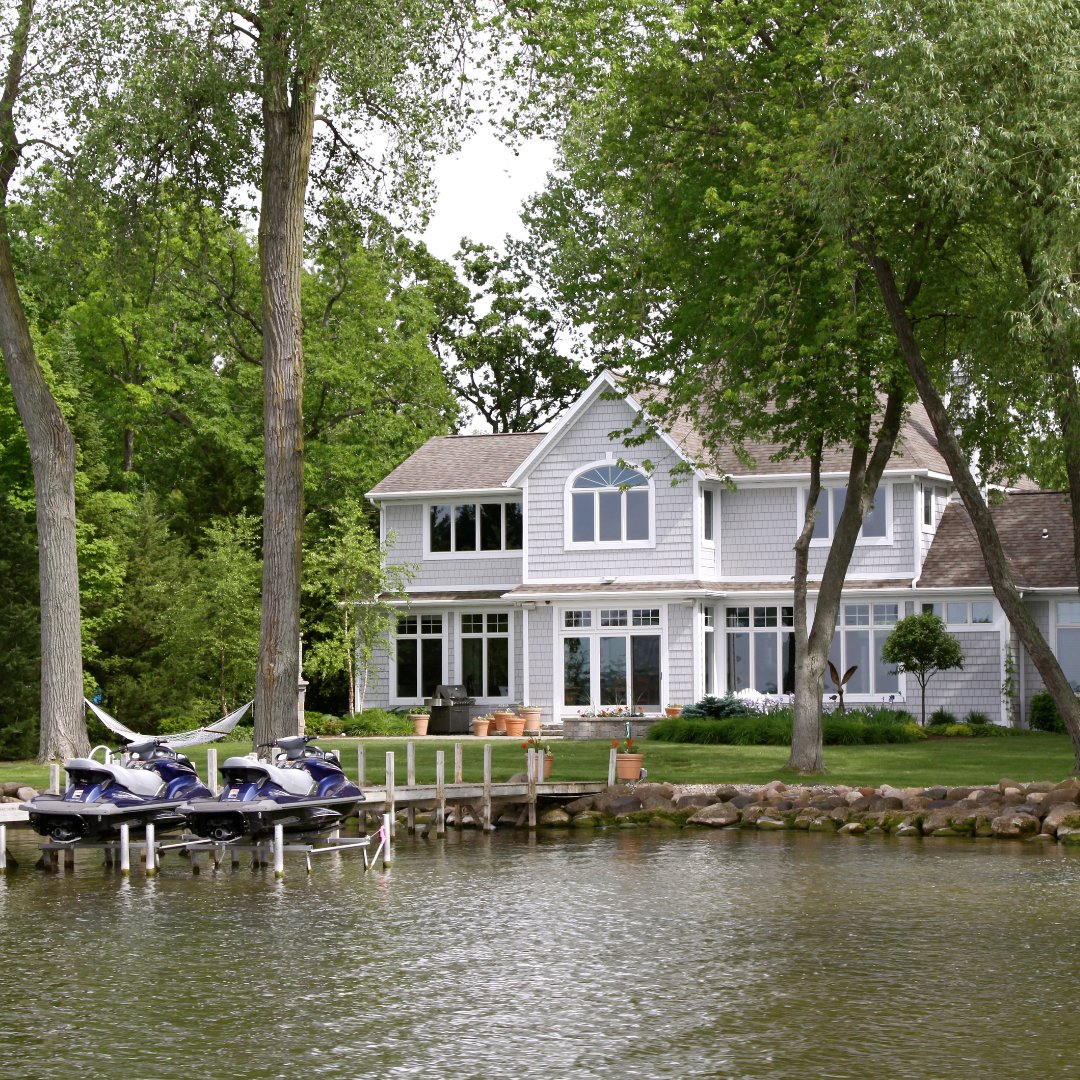
Waterfront Estates along the Tred Avon River and Town Creek represent the top tier of the market. These range from traditional Eastern Shore farmhouses with deep lots and private docks to large custom-built shingle-style homes with panoramic water views and full marina access. These are Oxford's trophy properties, and they trade accordingly.
Coastal Cottages and Bungalows occupy the interior side streets and represent the most accessible entry point into the market. Typically two to three bedrooms, these homes feature lap siding, screened porches, and compact gardens. They function well as vacation rentals, retirement homes, or first purchases in the Oxford market.
Condominiums and Apartments are rare to the point of near-absence. A small number of condo conversions exist, generally in repurposed historic buildings near the marinas. There are no traditional apartment complexes. Rental options tend to be private homes, carriage houses, or accessory dwelling units.
Moving to Oxford is less a logistical exercise than a lifestyle recalibration. A few practical considerations will help new residents settle in smoothly.
The town enforces a 25 mph speed limit throughout, and it is actively monitored. Beyond the roads, the social pace reflects the same ethic: conversations happen at the Post Office, at the Oxford Market, and at the Community Center. Newcomers who engage with that rhythm integrate quickly; those who resist it tend not to stay.
Where you live within Oxford matters more than square footage. The Strand offers iconic water views and sunset exposure but is more subject to wind and public foot traffic. Town Creek is quieter and more sheltered, making it the preferred location for serious boaters with deeper-draft vessels and for those who prioritize neighborhood privacy over river-front pageantry.
Golf carts are a genuine mode of transportation here, not a novelty. Many residents use them for daily errands to the Oxford Market or for trips to the Tred Avon Yacht Club. If you acquire one, confirm it meets Maryland's requirements for street-legal operation.
For anyone purchasing a waterfront or low-lying property, engaging with the Community Resilience Committee early is worthwhile. Nuisance flooding — tidal flooding that occurs independent of rainfall — affects parts of Oxford regularly, and understanding your specific property's exposure before you close is essential. The MyCoast app provides real-time water level monitoring and is widely used by residents.
If you plan to travel frequently to St. Michaels, a commuter pass for the Oxford-Bellevue Ferry is worth the investment during the operating season (late April through mid-November). It eliminates a 45-minute drive. Factor in that it closes for the winter months when planning your schedule.
Oxford is a built-out town. Large-scale development is not coming, and the community actively works to ensure it does not. Current projects focus on infrastructure resilience and historic preservation.
The most significant initiative is the Oxford Resilience Action Plan, scheduled for completion in late 2026. This plan addresses stormwater infrastructure, tide gate upgrades, and ditch improvements designed to protect properties from sea level rise over the coming decades. For buyers evaluating long-term value, this investment is directly relevant.
Along the Strand, active stormwater improvement work is underway, including portable pump installations and bulkhead repairs that affect town roads and ADA accessibility. This is one of the more visible infrastructure efforts currently in progress.
At the county level, Talbot County is updating its Comprehensive Plan, and Oxford officials are actively engaged in opposing Maryland Housing Bills SB 36/HB 548, which could affect local control over lot sizes and setbacks. The outcome of that legislative process has direct implications for the town's density and character.
The Oxford Conservation Park, recently converted from farmland, is being developed as a grassland bird refuge that also functions as a natural stormwater buffer for the Tred Avon River. The Oxford-Bellevue Ferry has recently changed ownership and is undergoing minor dock improvements to accommodate newer vessels and adapt to rising tidal conditions.
Oxford rewards buyers who do their due diligence before falling in love with a property. Several factors are specific to this market and should be addressed during any purchase process.
Flood Zone Status is the first and most important. With an average elevation of roughly four feet, a significant portion of Oxford's properties fall within FEMA Special Flood Hazard Areas. Always request an Elevation Certificate and research the property's specific flood history, including nuisance flooding events. Beginning July 1, 2027, Maryland law will require more comprehensive flood disclosure, but buyers in 2026 should not wait for the mandate — request full documentation now.
Historic District Zoning applies to much of the town's most desirable inventory. The Historic Preservation Commission must approve exterior changes visible from the street. Replacing windows, modifying siding, or adding a porch requires period-appropriate materials, which can meaningfully increase renovation budgets. Interior modernization is typically unrestricted, but confirm the scope of any planned work with the HPC before committing.
Chesapeake Bay Critical Area Regulations govern development on land within 1,000 feet of the shoreline — which includes most of Oxford. These rules cap the percentage of a lot that can be covered by structures, driveways, and pools. If an addition, garage, or pool is in your plans, verify your remaining lot coverage allowance before proceeding.
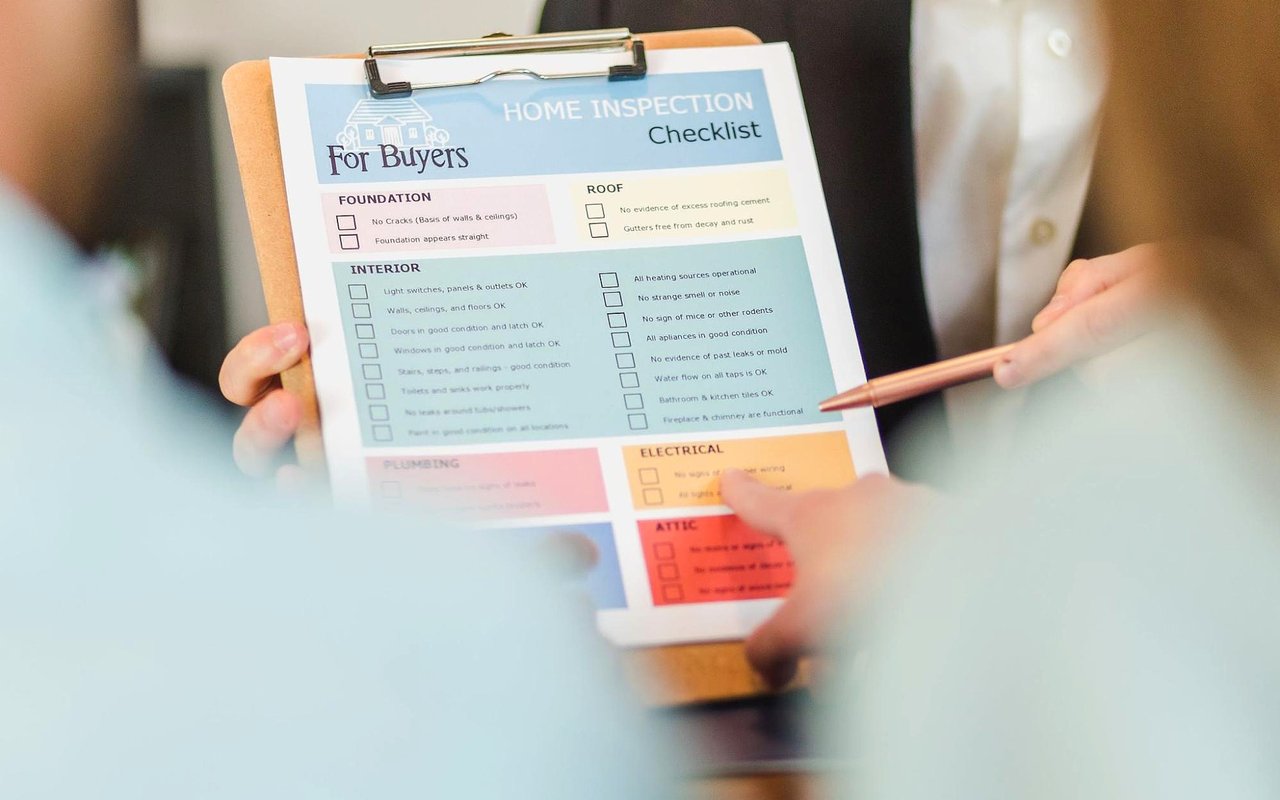
Property Age and Infrastructure deserve careful inspection. Many Oxford homes predate modern construction standards. Watch for rising damp or settlement in older brick foundations, outdated cast-iron plumbing, and undersized electrical panels that may not support contemporary HVAC demands.
Property Taxes for FY 2026 combine Talbot County ($0.6852), state ($0.1120), and Oxford municipal ($0.320) rates for an effective rate of approximately $1.1172 per $100 of assessed value. The rate is competitive, but high waterfront assessments produce substantial annual bills — budget accordingly.
Oxford's market requires a particular kind of patience and precision from sellers. The buyers here are not browsing casually; they are making considered, often emotional decisions about how they want to live. Your presentation and pricing need to reflect that.
Seasonality is real and significant. The optimal listing window runs from April through early June, when the ferry is running, the marinas are active, and Oxford is at its most visually compelling. Activity falls sharply after the holidays, and properties that miss the fall window are often better held until March than listed into a quiet winter market.
Buyer Demographics skew toward Baby Boomers and remote-working professionals from D.C., Baltimore, and Philadelphia. They have the resources to choose any market and are frequently looking for a property that requires minimal work. "Historic charm, modern function" is the combination that commands top dollar here.
High-Value Upgrades worth investing in before listing include recent bulkhead repairs or living shoreline improvements, which signal flood resilience and protect against the insurance concerns many buyers carry into this market. A well-appointed kitchen matters significantly in a town with limited dining options — buyers are frequently entertaining at home. Screened porches are nearly non-negotiable for anyone who plans to spend Eastern Shore summers outdoors.
Staging should lean into what Oxford is. Neutral palettes, natural textures, minimal clutter, and an emphasis on water views over interior decoration is the approach that resonates with this buyer profile. The home should feel like the life the buyer is moving toward.
Pricing discipline is the most common area where sellers lose time and money. Days on market in Oxford routinely run 120 days or longer under normal conditions. That is not a signal that something is wrong — it is the nature of a thin, discretionary market. Buyers in this tier are well-informed and will not overpay. Price to recent comparable sales, not to aspiration.
For a town of under 1,000 residents, Oxford's food and social scene punches well above its weight.
The Robert Morris Inn is the anchor of the dining scene. Built in 1710, it offers formal dining in a room with genuine historical weight — James Michener reportedly wrote portions of Chesapeake here. It is the kind of restaurant that out-of-town guests always want to visit, and locals still consider it a special-occasion destination after decades.
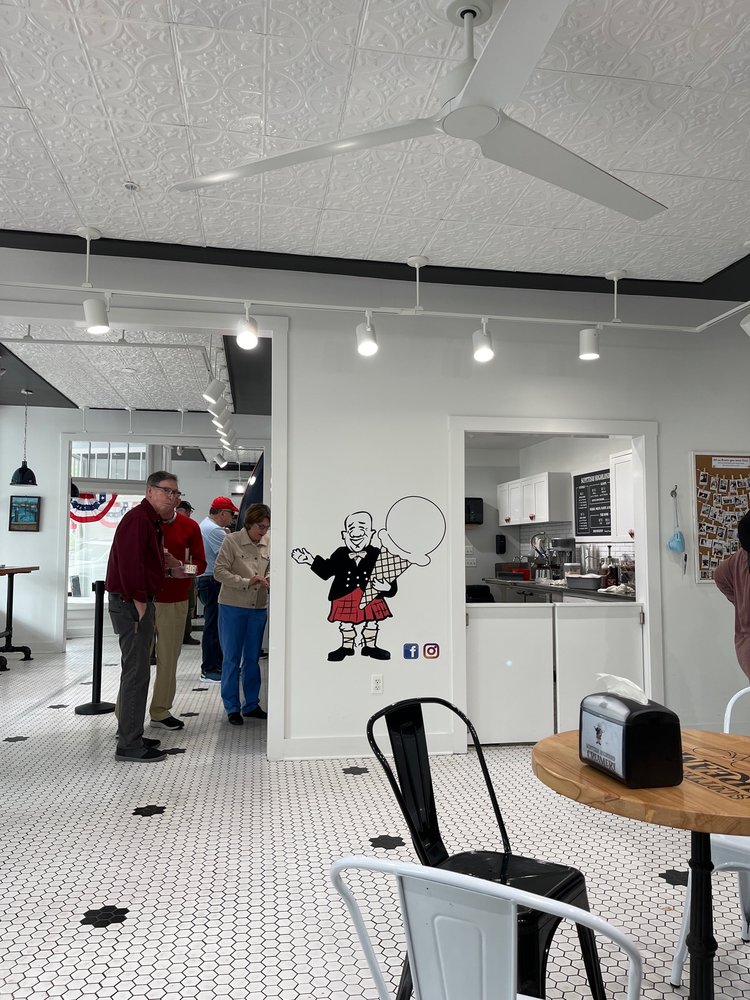
Scottish Highland Creamery occupies a different tier but carries equal prestige. Consistently ranked among the best ice cream shops in the country, it functions as the town's unofficial summer gathering place. The line is part of the experience.
For casual waterfront dining, Doc's Sunset Grille has become the social center of Oxford evenings. It offers live music, the regional "crush" cocktail, and the best angle in town for watching the sun drop over the Tred Avon. Capsize, on Town Creek, is the boater's choice — free dockage for diners, a lively deck, and a menu that keeps pace with the energy of the marina. Pope's Tavern inside the Oxford Inn offers a more intimate, Italian-influenced menu for those seeking a quieter evening.
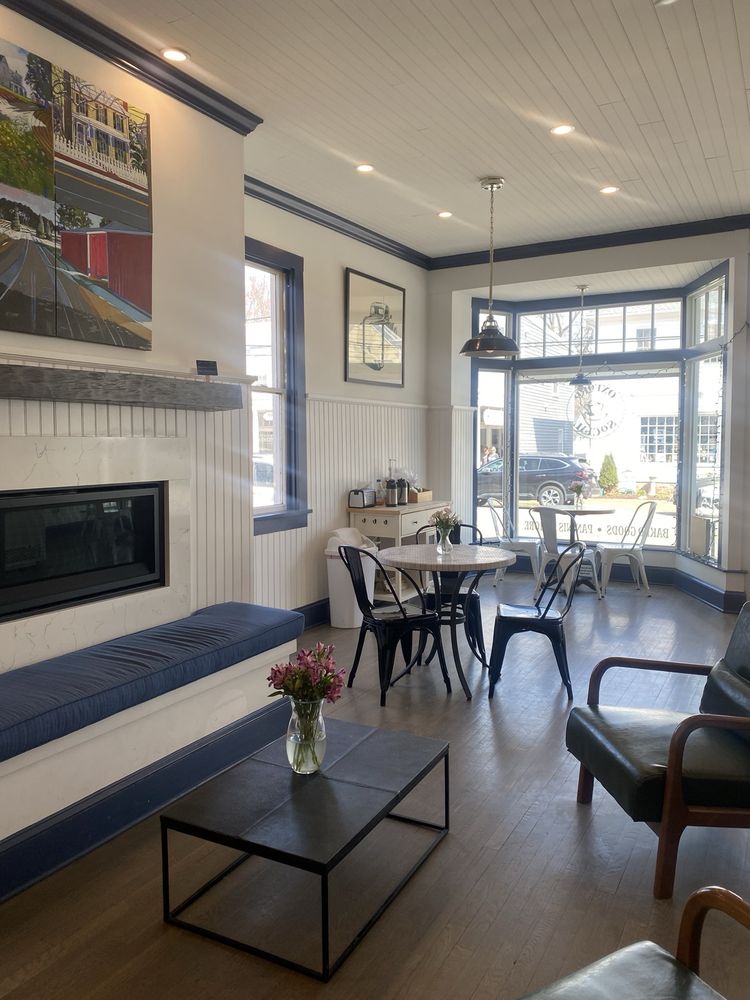
Daily life revolves around the Oxford Social Café for morning coffee and the Oxford Market & Deli for provisions. Both serve as informal community hubs where news travels and neighbors connect.
The Oxford Community Center carries the town's cultural programming: the Tred Avon Players community theater, a classic cinema club, jazz concerts, and the annual Fine Arts Festival. The Oxford Museum rounds out the cultural calendar with rotating exhibits on the town's maritime and commercial history.
Recreation in Oxford is organized around three pursuits: sailing, cycling, and nature. The infrastructure for all three is genuinely excellent.
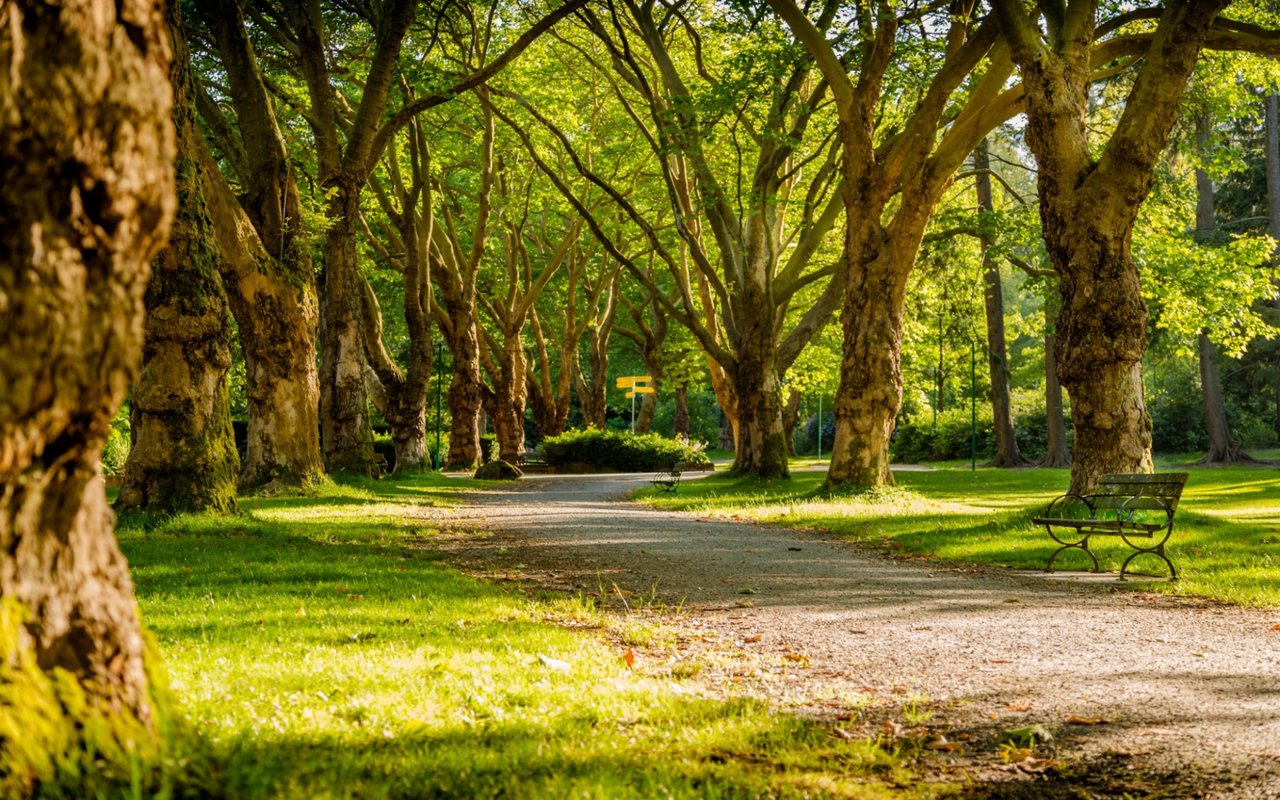
Oxford Town Park, at the foot of Morris Street on the water, is the community's front yard. It offers a playground, picnic areas, and a quiet beach suitable for kayak launches or wading. Oxford Conservation Park is an 86-acre wetland preserve on the town's outskirts, featuring flat, wide trails through grassland bird habitat where herons, ospreys, and foxes are regular sightings. It is also the ecological infrastructure that helps manage stormwater before it reaches the Tred Avon.
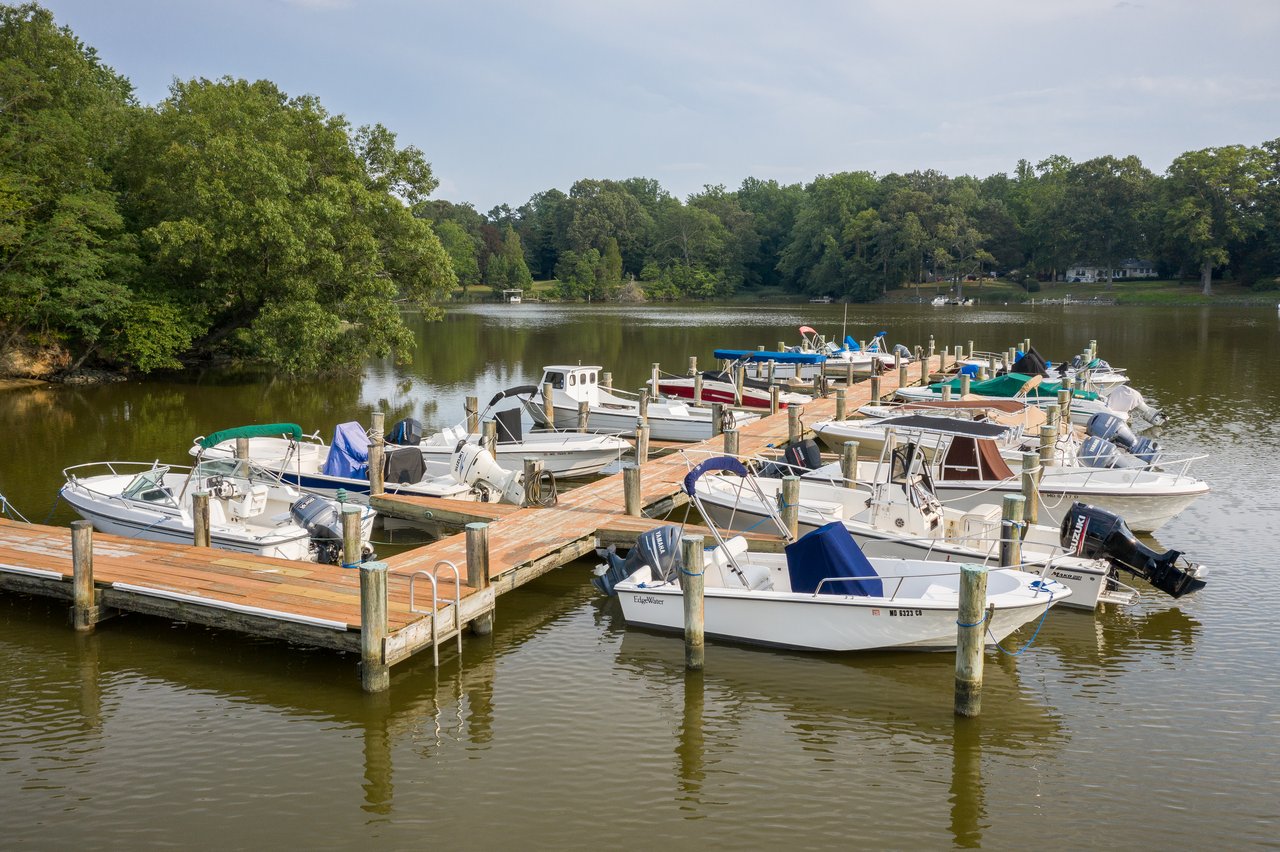
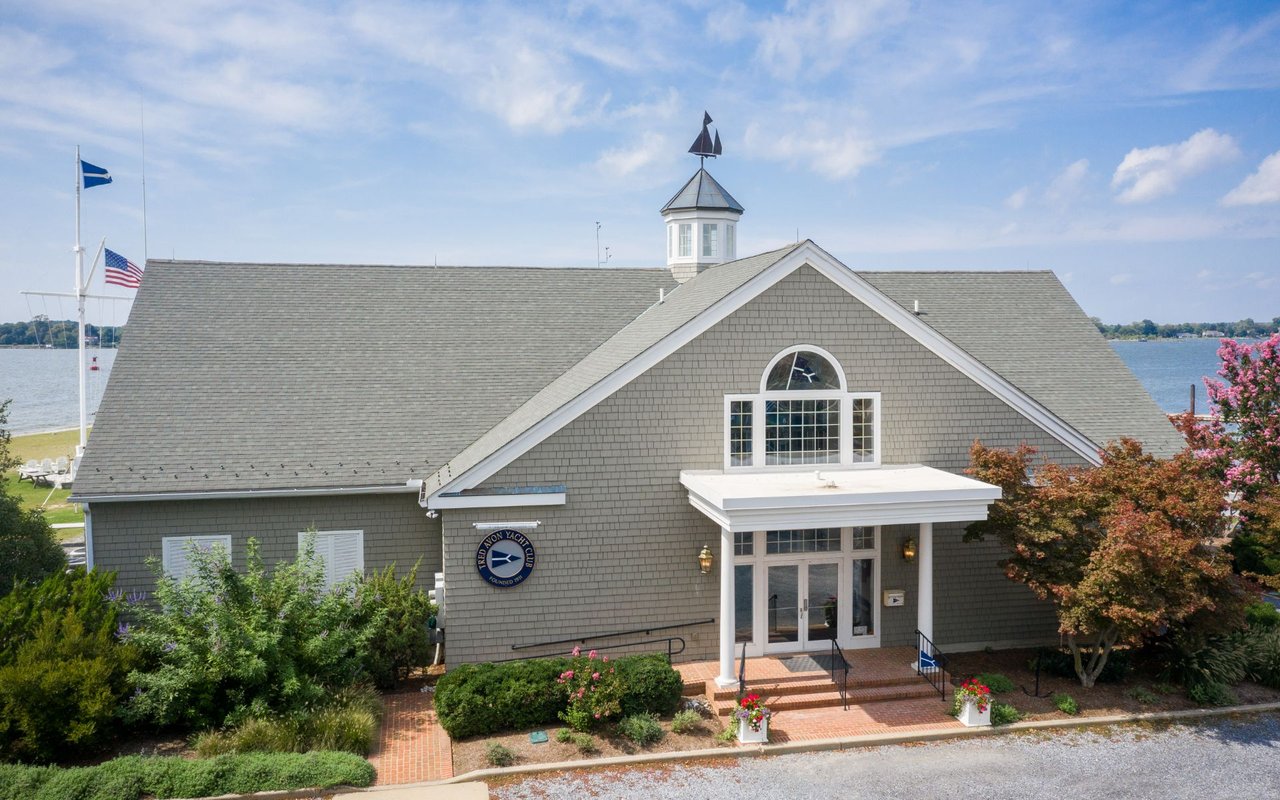
On the water, the Tred Avon Yacht Club is one of the most active sailing clubs on the Chesapeake Bay. The Log Canoe races held on the river are unique to the Eastern Shore and are among the most distinctive local spectacles anywhere in Maryland. Town Creek provides protected, calm water for paddleboarding and kayaking even when conditions on the main river are rough.
The Oxford-St. Michaels Trail is a popular 30-mile loop that takes cyclists from Oxford, across the ferry, and into St. Michaels through flat, scenic Maryland countryside. The flat terrain makes it accessible to riders of all abilities. The Strand provides a sandy waterfront walking path along the Tred Avon — equal parts recreation and daily ritual for most Oxford residents.
Oxford does not compete with Easton on retail, and it does not try to. The in-town shopping is intentionally small-scale, local, and oriented around the needs of a community that values authenticity.
The Treasure Chest has been a town fixture for decades, offering coastal home décor, sea glass jewelry, and Oxford-branded goods. Mystery Loves Company is a specialty bookstore with a strong focus on mysteries set in the Chesapeake Bay region — exactly the kind of store that exists here and nowhere else. Babe's Fine Spirits & Provisions, a 2026 addition, stocks craft spirits, wines, and high-end pantry staples for a resident base that knows what it wants.
Day-to-day grocery needs are handled by the Oxford Market & Deli, which stocks fresh produce, quality meats, and wine within a store where the staff genuinely knows the regulars. For a full grocery run, most residents drive the 10 miles to Easton, where Harris Teeter, Target, and the Amish Country Farmers Market cover everything else. The distance is worth noting for families making decisions about the day-to-day logistics of Oxford life.
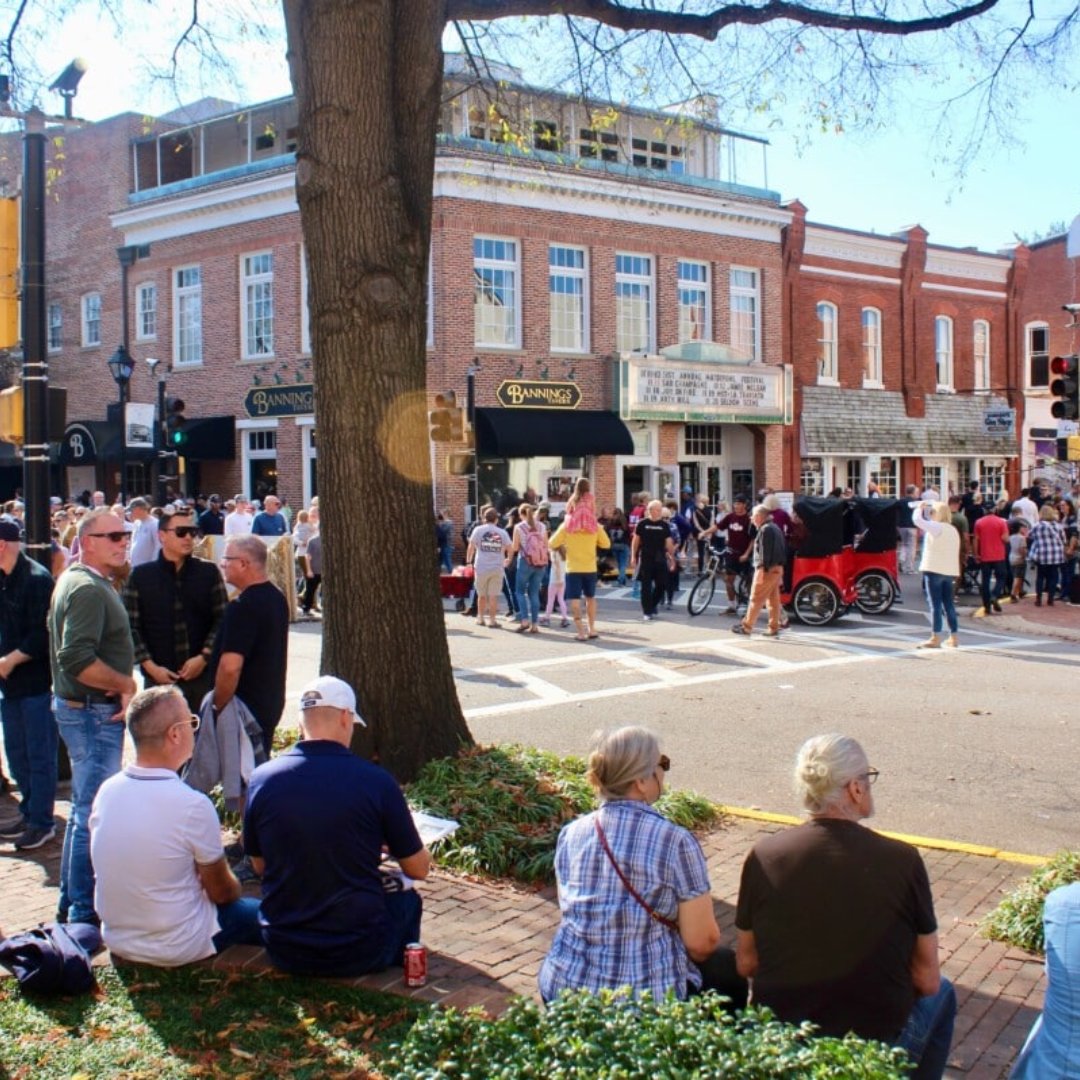
Oxford's culture is not performative. There are no curated "local experiences" designed for tourism. The traditions here are the product of a community that has been doing the same things for generations, and newcomers are welcomed into them rather than spectators of them.
The white picket fences that define Oxford's streetscape are a cultural statement as much as an aesthetic one. The town holds an annual Picket Fence Art Auction where local artists paint miniature fences to raise funds for community causes. It is characteristic of how Oxford handles everything: with wit, local craft, and a strong sense of place.
Oxford Day, held each April, is the unofficial opening of the season. The parade, the Blessing of the Animals, the dog show, and the plant sale draw residents who have participated every year for decades alongside newcomers experiencing it for the first time. The Log Canoe Races on the Tred Avon are a summer institution: high-society in atmosphere, deeply local in spirit. Christmas on the Creek — a lighted boat parade through Town Creek and a rotating "living advent calendar" across homes and businesses — closes out the year.
The community runs on volunteers. The Oxford Fire Company's monthly breakfasts are a civic institution. The Community Center, the conservation efforts, the town governance — all of it depends on residents showing up. For people accustomed to cities where anonymity is easy, Oxford asks something different. Most residents consider that the point.
Oxford falls within the Talbot County Public Schools (TCPS) system, which consistently ranks among the top 20 school districts in Maryland. Given the town's small size, students progress through a feeder structure that moves them into neighboring communities for middle and high school.
Elementary-age children typically attend White Marsh Elementary in Trappe or St. Michaels Elementary, both recognized for small class sizes and strong community integration. Most Oxford students proceed to St. Michaels Middle/High School, which offers a distinctive Bay Studies program that weaves Chesapeake ecology and history into the curriculum — a genuine academic differentiator that reflects the region's identity. Easton High School serves as an alternative for specialized programs and receives high marks for college readiness.
For early childhood, the Oxford Early Childhood Center provides Pre-K for three- and four-year-olds through a play-based model and is highly sought after within the community. Private school options include Saints Peter & Paul in Easton (K–12, Catholic) and The Country School (K–8, independent, experiential learning focus), both approximately 15 minutes from Oxford.
At the university level, Chesapeake College in Wye Mills is 25 minutes north, offering associate degrees and maritime and culinary certifications. Salisbury University, the region's primary four-year public institution, is approximately 50 minutes south.
Oxford is, by design and geography, at the end of the road. MD Route 333 — Oxford Road — terminates here, and that single two-lane artery is the town's only vehicular connection to the broader transportation network. There are no traffic lights, but farm equipment and boat trailers during peak season can slow the drive to Easton to 20 or 25 minutes.
From Easton and US-50, commute times are as follows: Annapolis runs 60 to 75 minutes, with Bay Bridge traffic the primary variable. Washington D.C. and Baltimore are both in the 90-minute to two-hour range under typical conditions. The Bay Bridge is the critical chokepoint for weekend travel, and anyone planning regular trips to the metro areas should account for Friday afternoon and Sunday evening delays.
Public transit is functionally nonexistent within the town. The BayRunner Shuttle provides daily service from Easton to BWI Airport and the Amtrak station, which serves residents who need occasional regional travel without driving. For everything within Oxford itself, residents rely on walking, biking, and golf carts.
The Oxford-Bellevue Ferry, operating from late April through mid-November, provides a scenic shortcut to St. Michaels that saves the drive-around mileage, though actual time savings depend on wait times at the dock. The Oyster Trail project, actively expanding in 2026, is creating a dedicated off-road bike and pedestrian path from Oxford to Easton, which will eventually provide a non-vehicular alternative for the most committed cyclists and pedestrians.
Within Oxford's compact footprint, certain addresses carry distinct prestige and character.
The Strand is Oxford's most iconic street. Running along the Tred Avon River, it offers the town's most celebrated views, consistent sunset exposure, and a front-row seat to ferry arrivals and Log Canoe races. Properties here are the first to attract out-of-town buyers and the last to need price reductions.
Morris Street is the architectural showpiece of the town center, lined with well-preserved Federal and Victorian structures that define Oxford's historic streetscape. Proximity to the Town Park, the Robert Morris Inn, and the water makes it consistently desirable for buyers who want to be in the middle of everything Oxford offers.
Town Creek frontage properties represent the quieter alternative to the Strand. Sheltered water, private dock access, and a more residential feel attract serious boaters and buyers who want waterfront living without the exposure of the main river. These estates frequently represent the market's highest price points.
Strand-adjacent interior streets — the blocks immediately behind the waterfront — offer a meaningful price concession relative to direct water frontage while maintaining walkability to everything in the town. For buyers who want Oxford's lifestyle without the full waterfront premium, these blocks consistently represent the best value per square foot in the market.
The most honest answer is that Oxford gives people back something they did not realize they had lost. The noise ratio drops. The calendar opens up. The neighbors know your name, and the water is always visible from somewhere close.
More specifically, the combination of genuine historical depth, world-class sailing access, walkable town scale, and a protective community culture creates a quality of life that is extremely difficult to replicate elsewhere. The fact that it sits within two hours of three major metropolitan areas means residents do not have to choose between access and escape — they can have both.
For buyers at the stage of life where the next home is the last home, Oxford answers the question well. The properties hold value because supply is structurally constrained. The community sustains itself because residents take it seriously. And the town's ongoing investment in flood resilience infrastructure signals that its stewardship is oriented toward the long term, not the short.
Oxford is not a compromise. It is a conviction.
If Oxford feels like the right fit, the next conversation should be with a brokerage that has spent decades operating in this specific market.
Benson & Mangold Real Estate has been one of the defining real estate firms on Maryland's Eastern Shore for generations. With deep roots in Talbot County and an intimate understanding of Oxford's property landscape — from its Historic District restrictions to its Critical Area regulations to the nuances of waterfront pricing — Benson & Mangold brings a level of local expertise that generalist brokerages simply cannot replicate.
Whether you are buying your first Oxford property, selling a waterfront estate that has been in your family for years, or evaluating the market before making a decision, the team at Benson & Mangold provides the counsel, the connections, and the transactional precision that this market demands. Reach out directly to begin the conversation.
There's plenty to do around Oxford, including shopping, dining, nightlife, parks, and more. Data provided by Walk Score and Yelp.
Explore popular things to do in the area, including Oxford Market, Scottish Highland Creamery, and Oxford Social.
| Name | Category | Distance | Reviews |
Ratings by
Yelp
|
|---|---|---|---|---|
| Dining · $ | 2.37 miles | 7 reviews | 4/5 stars | |
| Dining · $ | 2.38 miles | 107 reviews | 4.6/5 stars | |
| Dining | 2.4 miles | 12 reviews | 4.9/5 stars | |
| Dining · $$ | 2.47 miles | 126 reviews | 4/5 stars | |
| Shopping | 2.39 miles | 5 reviews | 4.6/5 stars | |
| Active | 2.18 miles | 1 review | 1/5 stars | |
| Active | 2.45 miles | 14 reviews | 4.4/5 stars | |
| Active | 2.57 miles | 53 reviews | 4.4/5 stars | |
| Beauty | 2.27 miles | 0 reviews | 0/5 stars | |
|
|
||||
|
|
||||
|
|
||||
|
|
||||
|
|
||||
|
|
Oxford has 585 households, with an average household size of 2.04. Data provided by the U.S. Census Bureau. Here’s what the people living in Oxford do for work — and how long it takes them to get there. Data provided by the U.S. Census Bureau. 1,195 people call Oxford home. The population density is 108 and the largest age group is Data provided by the U.S. Census Bureau.
Total Population
Population Density Population Density This is the number of people per square mile in a neighborhood.
Median Age
Men vs Women
Population by Age Group
0-9 Years
10-17 Years
18-24 Years
25-64 Years
65-74 Years
75+ Years
Education Level
Total Households
Average Household Size
Average individual Income
Households with Children
With Children:
Without Children:
Blue vs White Collar Workers
Blue Collar:
White Collar: