Welcome to
874 people live in Tilghman Island, where the median age is 57.8 and the average individual income is $49,728. Data provided by the U.S. Census Bureau.
Total Population
Median Age
Population Density
Average individual Income
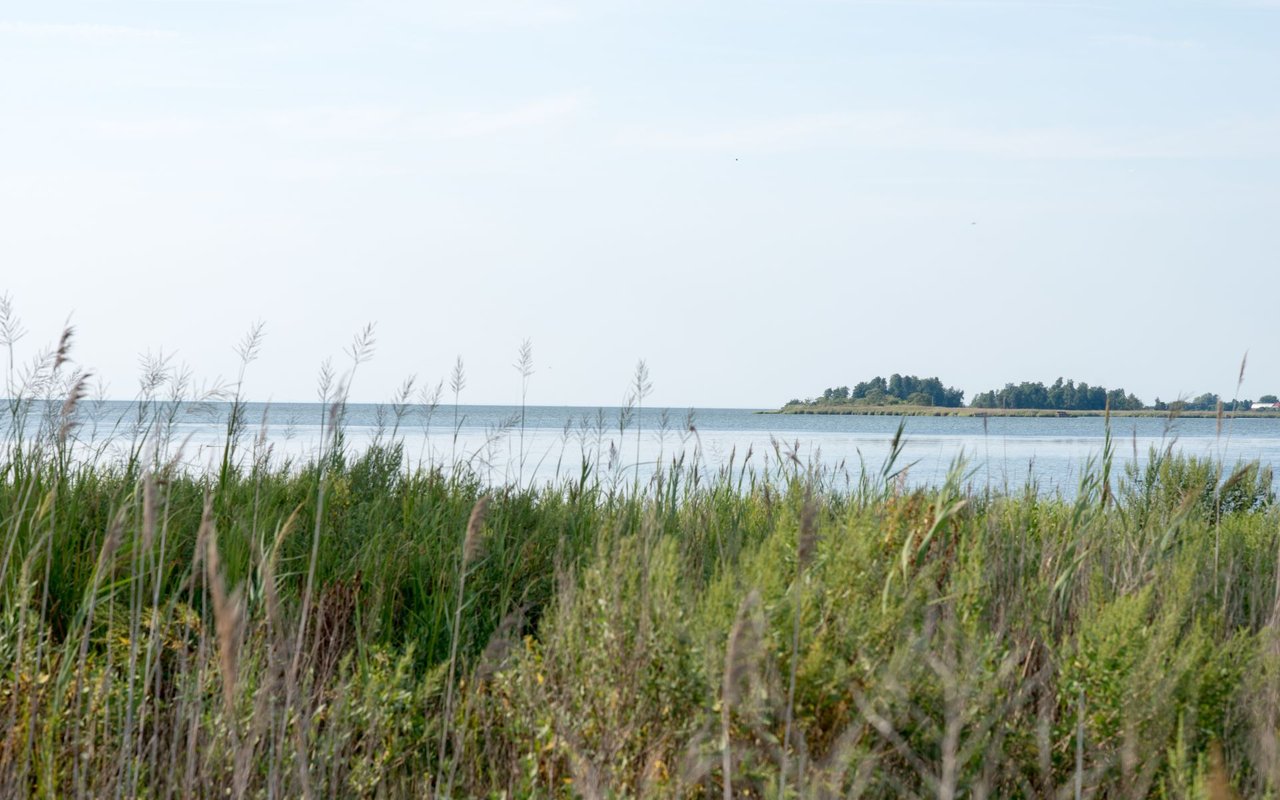
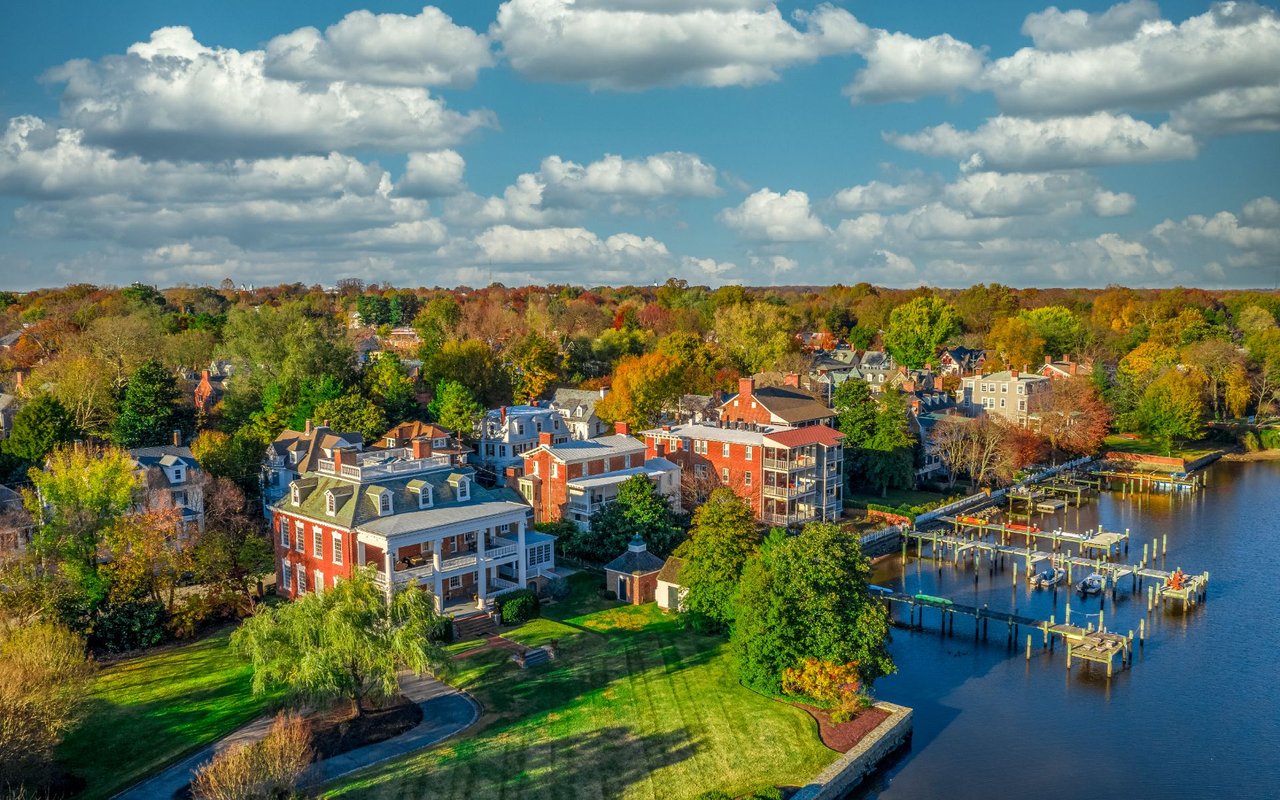
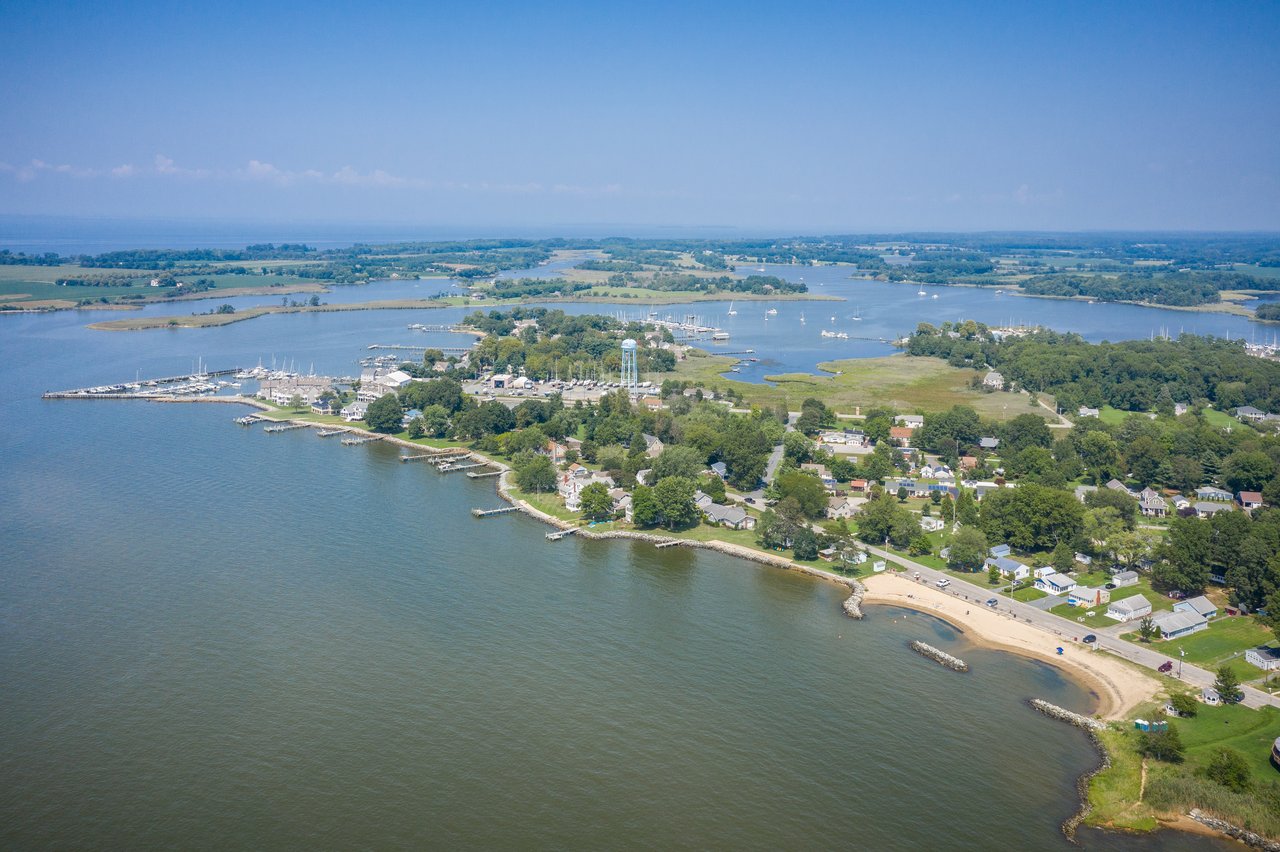
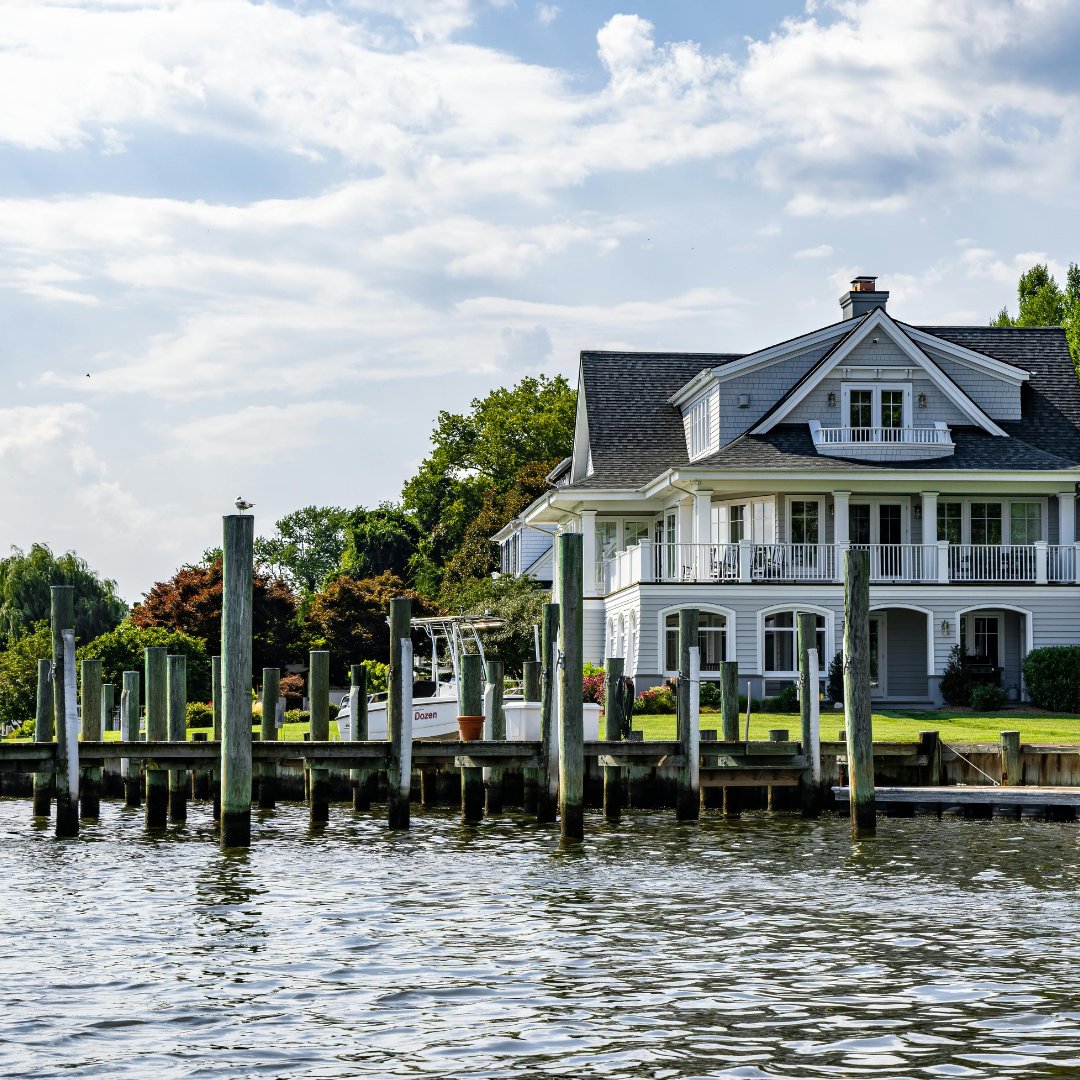
Tilghman Island is an authentic watermen’s village where generations have made their living from the Chesapeake Bay. This 3-mile-long island at the southern tip of Talbot County offers a serene, water-centered lifestyle steeped in maritime heritage. With a population of 874 and a median age of 57.8, the community attracts retirees, second-home buyers, and remote workers seeking waterfront tranquility.
The island’s character is defined by working skipjacks in Dogwood Harbor, fresh-caught seafood on every menu, and an unhurried pace that invites you to “set your clock to island time.” Bordered by the Chesapeake Bay and Choptank River, Tilghman blends historic charm with modern amenities. The community draws nature enthusiasts, boaters, and those seeking escape from urban density while staying within commuting distance of major cities.
What makes Tilghman appealing is its authenticity. This isn’t a manufactured resort community—it’s a living, working village where watermen still harvest oysters under sail, multi-generational families maintain century-old traditions, and visitors are welcomed into a culture that values hard work, community, and connection to the natural world.
Tilghman Island’s history spans over 13,000 years of human habitation. The first English settlers arrived in 1656, with the island granted to Seth Foster in 1659. Originally known as Great Choptank Island, it was inherited by Matthew Tilghman in 1741, whose descendants owned it for the next century. The island functioned as a family farm for its first 175 years, producing grains, vegetables, fruit, cattle, and timber.
The 1830s marked a turning point when the Tilghman family began selling parcels of land. New residents arrived to harvest the Bay’s bounty alongside the land’s resources. The island’s strategic location allowed watermen to work the waters year-round, leading to a thriving maritime economy centered on oyster harvesting.
The late 1800s brought prosperity through the booming oyster industry. Islanders established seafood operations over Dogwood Cove, discarding oyster shells that eventually formed Avalon Island. The Tilghman Packing Company employed 650-700 workers at its peak, making Tilghman the commercial center of Talbot County. Steamboat service in the 1890s connected the island to Baltimore and Washington, bringing tourists seeking hunting and fishing opportunities.
At its zenith in the early 20th century, Tilghman Island had four villages, four post offices, three schools, multiple churches, several stores, a bowling alley, a movie theater, and eight gas stations. Dozens of skipjacks—the iconic sailing vessels used for oyster dredging—made Dogwood Harbor their home port.
Decline in the seafood industry brought significant change. The Tilghman Packing Company closed in the 1970s, later redeveloped into Tilghman-on-Chesapeake, a high-end residential community. This transformation symbolized the island’s shift from “hardscrabble seafood packing” to luxury real estate. Older watermen retired, younger generations pursued different careers, and most working skipjacks disappeared. Today, the island maintains an eclectic blend of traditional watermen culture and contemporary lifestyle, attracting heritage tourists and artists drawn to its natural beauty and authentic character.
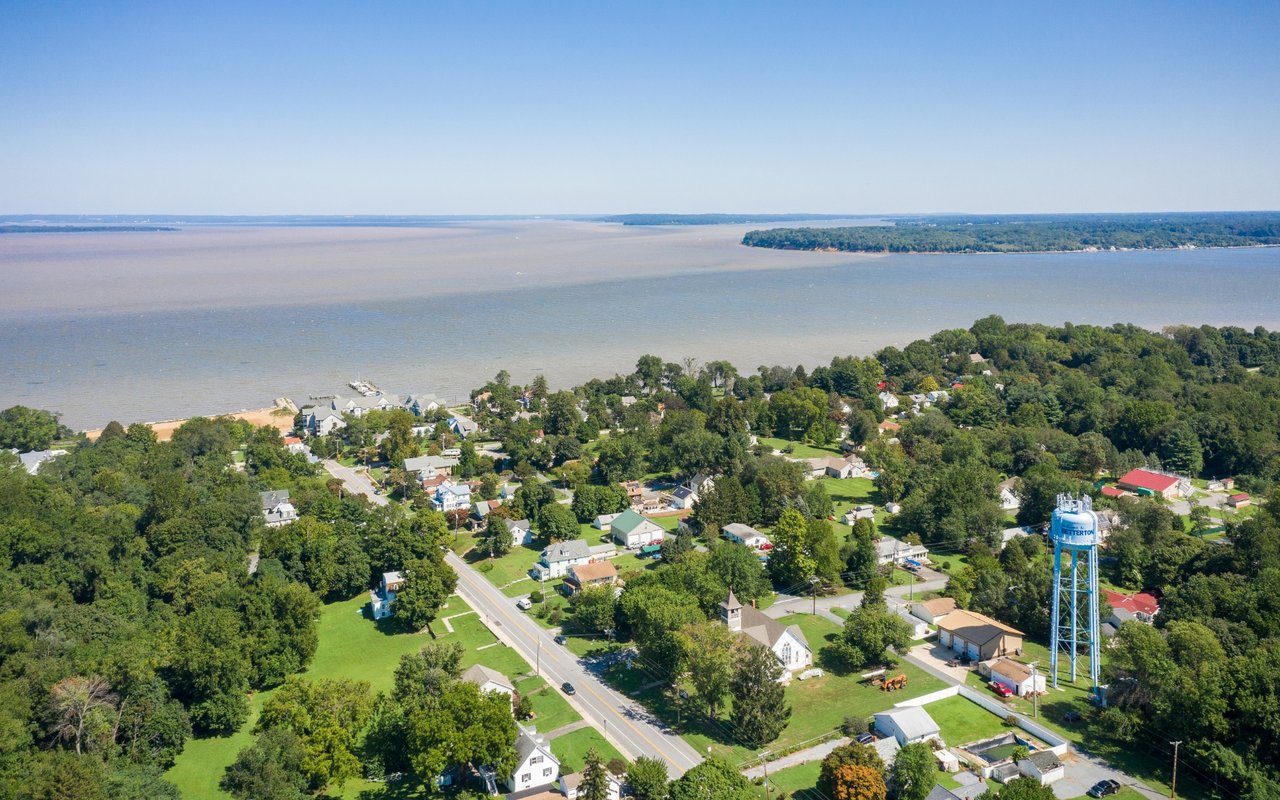
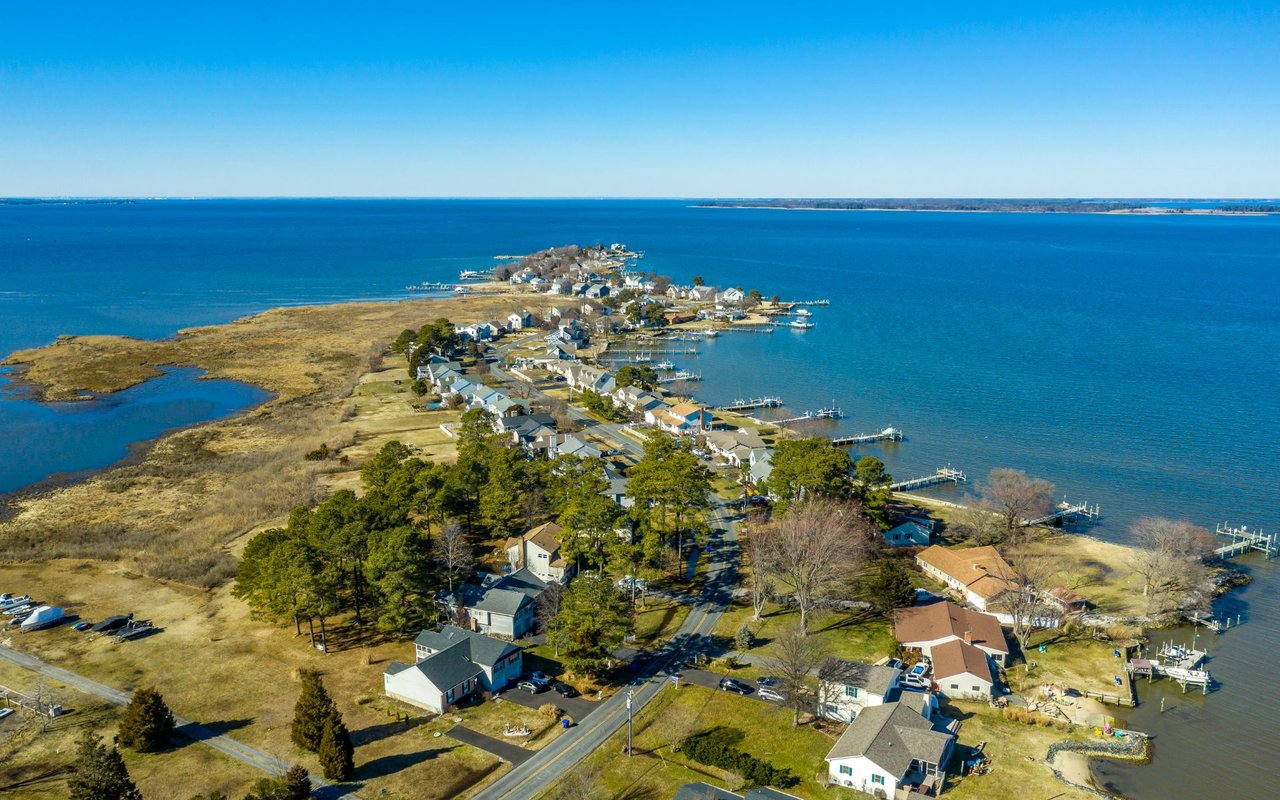
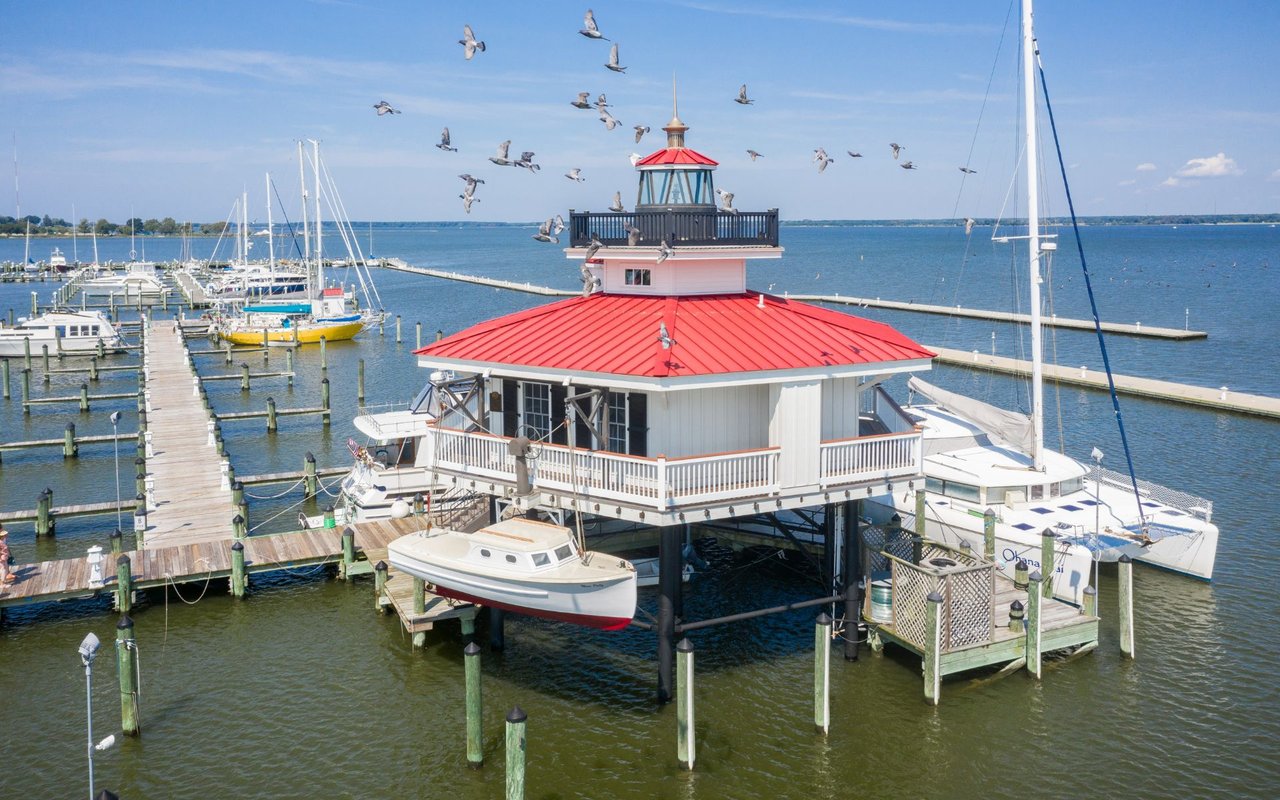
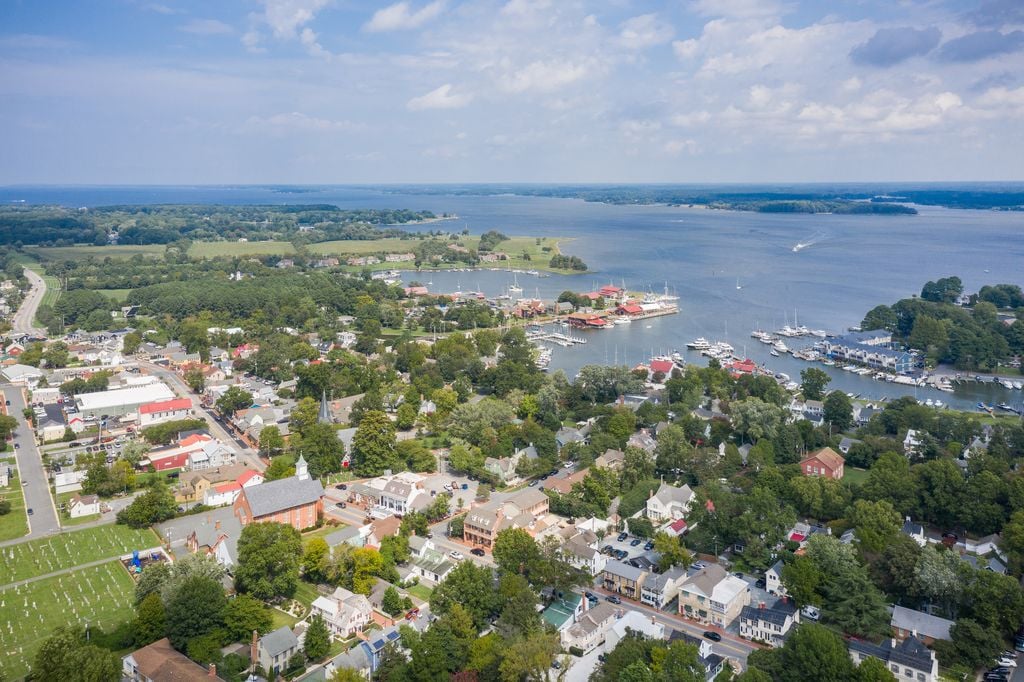
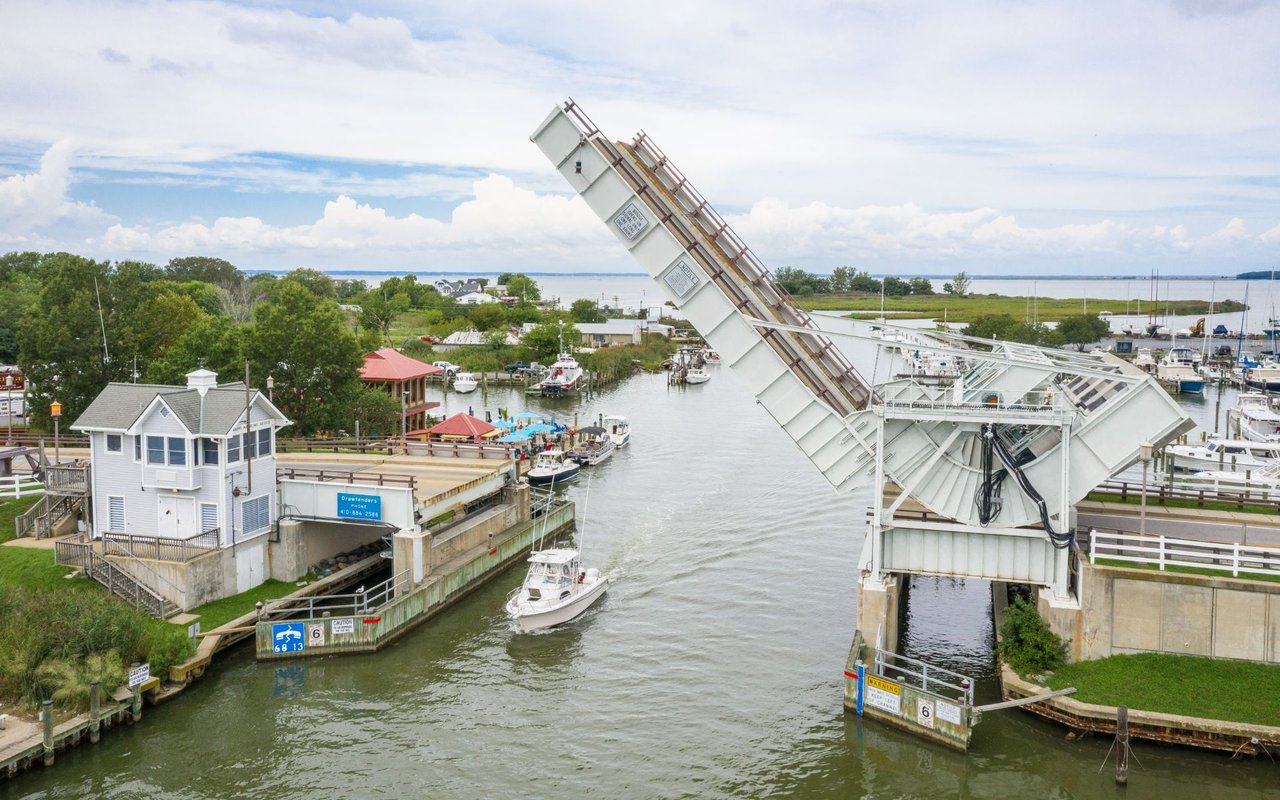
Tilghman Island occupies 2.5 square miles at the southernmost tip of Talbot County on Maryland’s Eastern Shore. The island is bordered by the Chesapeake Bay to the west and the Choptank River to the east, separated from the mainland by Knapps Narrows. The iconic Knapps Narrows Drawbridge—Maryland’s only overhead counterweight bascule span—connects the island to the Bay Hundred peninsula, lifting approximately 12,000 times annually for passing vessels.
The island stretches roughly three miles long and one mile wide, with flat, lowland terrain barely 7 feet above sea level. This geography makes it ideal for water-based recreation but vulnerable to erosion from rising sea levels. Most waterfront properties have been reinforced with stone rip-rap barriers to prevent shoreline erosion.
Tilghman Island is approximately 50 miles from Annapolis, 80 miles from Washington, D.C. (1.5-2 hour drive), and 83 miles from Baltimore (2 hour drive). The island lies 11 miles west of St. Michaels via Maryland Route 33, which runs through the island’s center and connects to U.S. Route 50—the main artery to both the Chesapeake Bay Bridge and Ocean City (100 miles away).
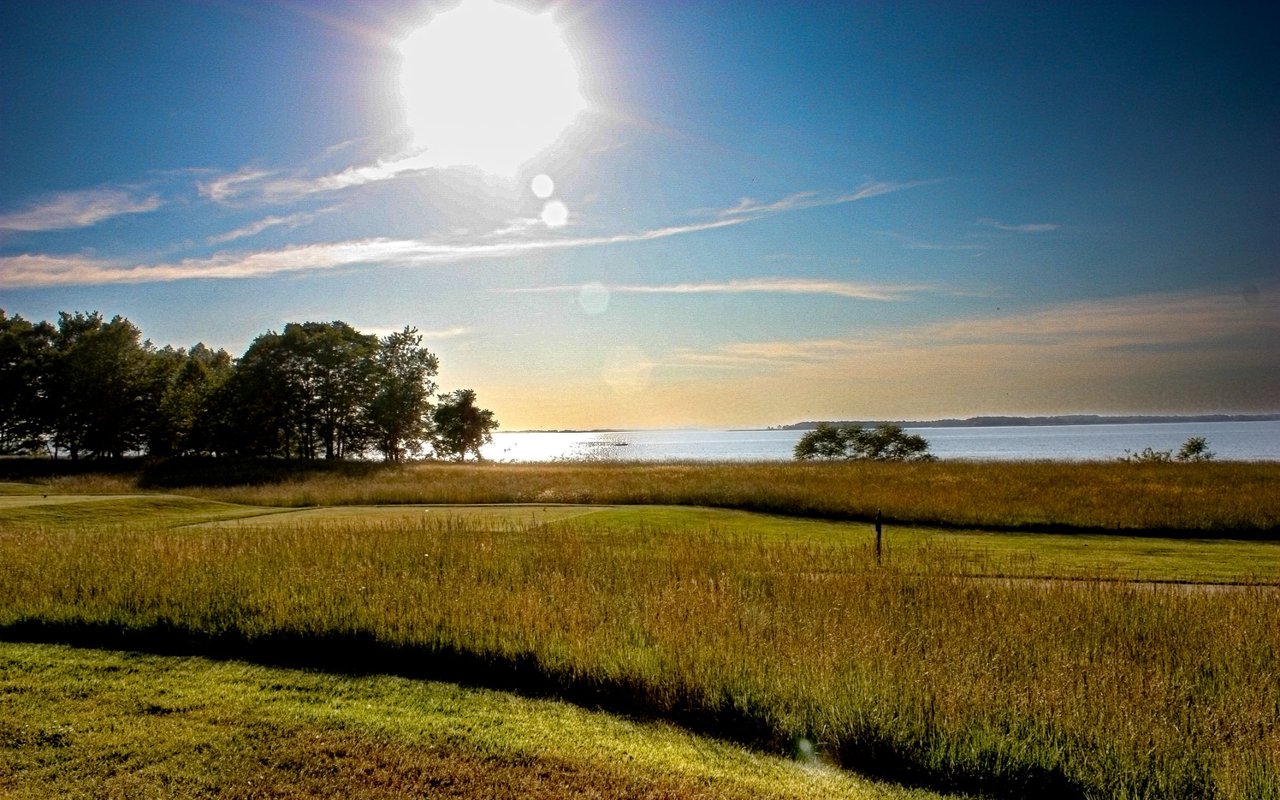
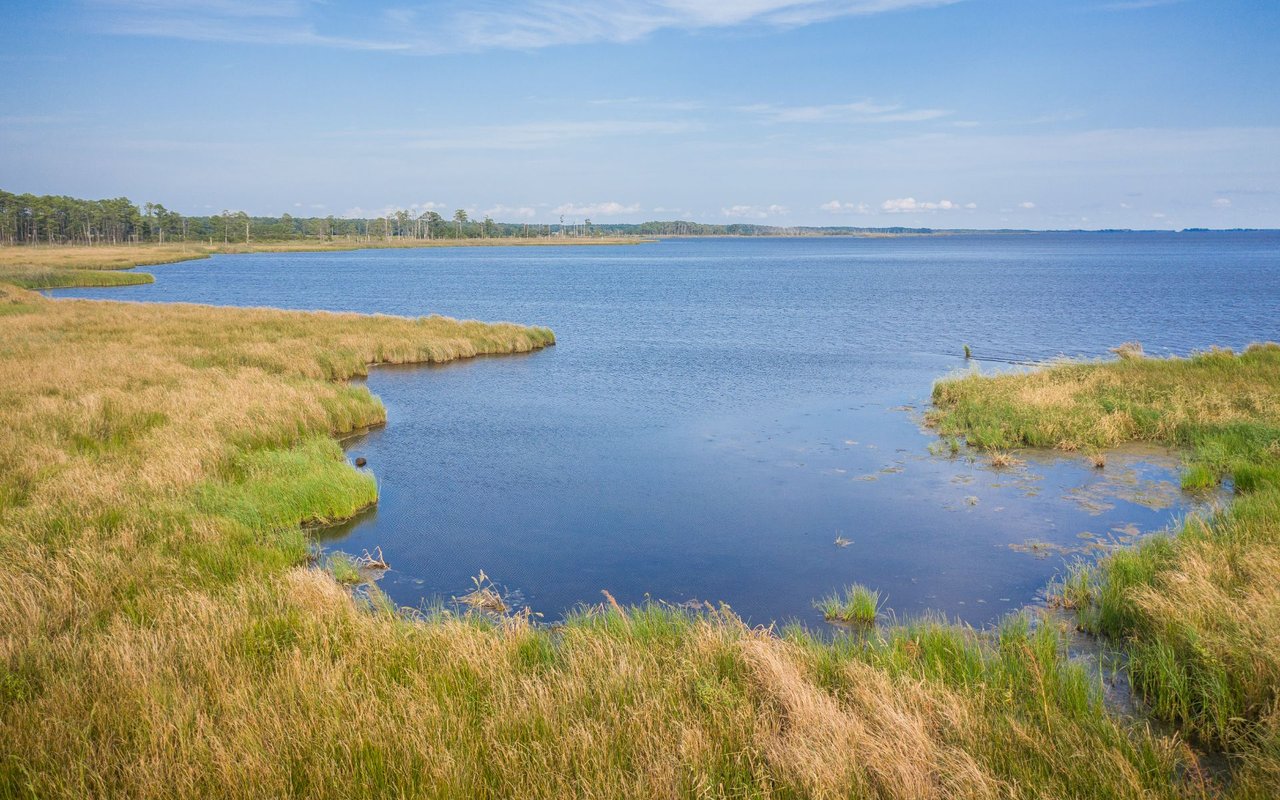
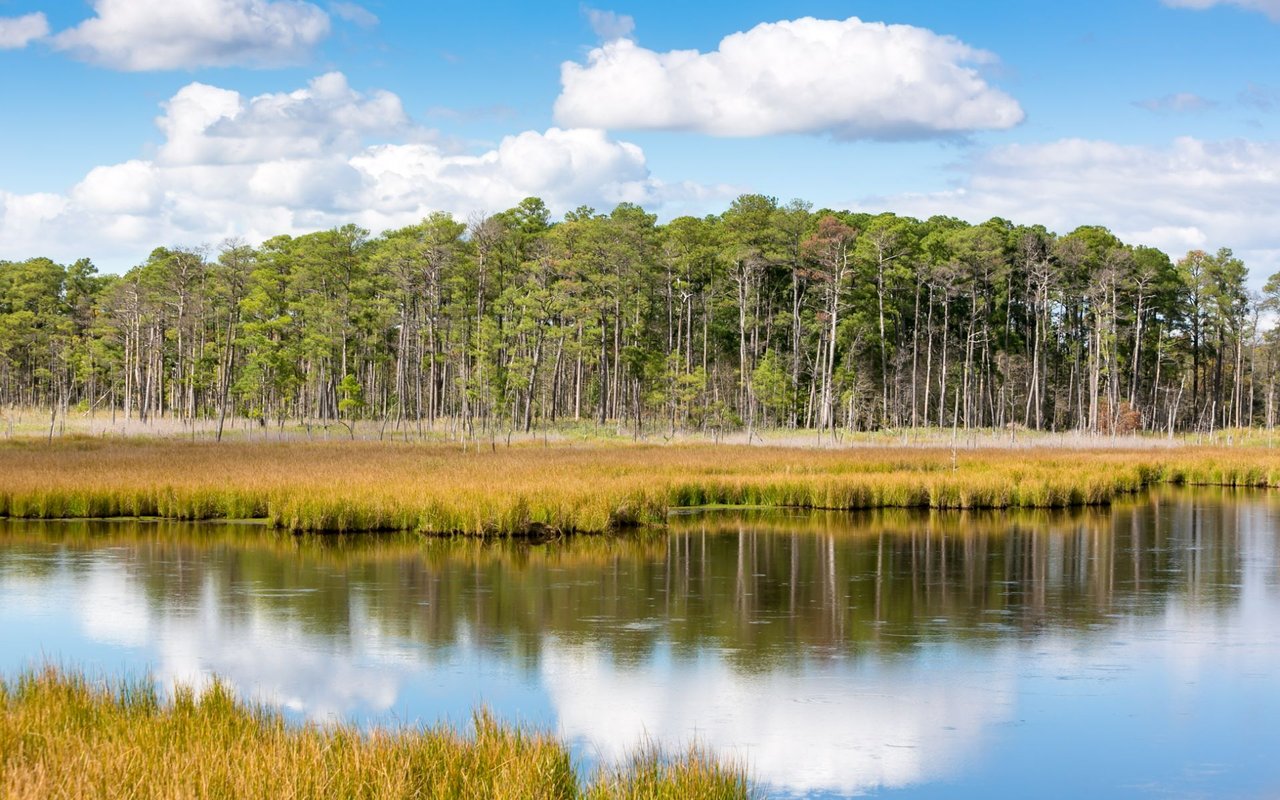
The climate is humid subtropical, characterized by hot, humid summers and mild winters. The Chesapeake Bay moderates temperatures year-round, creating ideal conditions for boating, fishing, and outdoor recreation spring through fall. The island’s natural surroundings include tidal wetlands, brackish waterways, and scenic vistas of sunrises over the Bay and sunsets over the Choptank River. Wildlife is abundant, with ospreys, herons, waterfowl, and in August, monarch butterflies stopping during their migration to Mexico.
Tilghman Island’s real estate market reflects its transformation from working-class watermen community to sought-after waterfront destination. The median home value is $330,300, though prices vary dramatically based on waterfront access. Properties in the island’s center typically sell for $300,000-$350,000, while waterfront homes command $500,000 to over $1 million.
Current market data (January 2025) shows a median list price of $514,990, with recent months showing 28.6% more homes for sale compared to the prior period. Homes spend an average of 111-115 days on market—significantly longer than the national average of 70 days. The inventory consists of 11-20 active listings at any given time, representing a very limited supply.
The island experienced heightened interest during the COVID-19 pandemic when remote workers sought waterfront properties with reliable internet connectivity. While pandemic-era demand has cooled, the market remains active with second-home buyers and retirees. The high vacancy rate of 33.4%—higher than 96% of U.S. neighborhoods—reflects substantial seasonal and second-home ownership.
Appreciation trends show steady long-term growth, with median values rising from $118,500 in 2000 to $343,505 in 2023. However, recent data indicates a 20% decline from peak prices over the prior 12-month period, suggesting market correction after pandemic-era highs. The market currently favors buyers, with longer days on market and negotiable pricing.
Key neighborhoods and developments include Tilghman-on-Chesapeake (an upscale waterfront community with club amenities), Fairbank (historic waterfront homes), Black Walnut Point (private island estate properties), and Tilghman Island Beach (competitively priced midsize homes). New construction is limited but includes homes in Tilghman-on-Chesapeake priced from $600,000-$800,000.
Internet connectivity is the first question from most relocators. Most areas now have reliable broadband, but verify service availability at your specific address before purchasing. Cell service is generally adequate, though some areas may have weak signals.
There is no public transportation on the island. You will need a car for daily living. The nearest grocery stores are in St. Michaels (20 minutes) or Easton (23 miles). The Tilghman Island Country Store provides basic provisions, sandwiches, and specialty foods, but residents make regular trips off-island for major shopping.
Healthcare requires planning. The nearest hospital is Memorial Hospital in Easton (23 miles), with Salisbury Regional Airport and medical facilities 70 miles east. Emergency services are provided by the Tilghman Island Volunteer Fire Department.
The island has a self-sufficient, close-knit community. Expect to know your neighbors and participate in island traditions like Tilghman Island Day in October. The pace of life is slow, and many services close seasonally. Plan accordingly if relocating year-round versus seasonally.
Consider visiting in different seasons before committing. Summer brings tourists and activity, while winter is quiet with limited dining options. If you value solitude and nature, winter may appeal; if you prefer social activity, understand that many restaurants and services operate on reduced schedules or close entirely from November through March.
For families with children, understand the limited school options. Tilghman Elementary (PK-5) has about 100 students. Middle and high school students attend St. Michaels Middle/High School (8 miles away), requiring daily transportation.
Flood zones are a critical consideration. FEMA identifies flood zones along Tilghman Island’s shorelines. Flood insurance may be required and can significantly impact your monthly costs. Review FEMA flood maps for your specific property. Note that some properties are in Zone X (lower risk) and have never experienced flooding, while waterfront properties face higher premiums.
HOA fees vary by development. Tilghman-on-Chesapeake offers optional membership for clubhouse, pool, and boat slip access. Fees typically run several thousand dollars annually. Verify what’s included and whether membership is mandatory or optional.
Property age and condition matter significantly. Many homes date from 1900-1950 with historic charm but potential maintenance needs. Newer construction (2020s) commands premium prices but offers modern systems and energy efficiency. Budget for ongoing maintenance, especially for waterfront properties exposed to salt air and humidity.
Well water and septic systems are common, though some areas have public sewer. Understand your water source and septic capacity. Well water quality can vary, and septic systems require regular maintenance and eventual replacement.
Waterfront access drives value but brings complications. Verify whether a property includes riparian rights, private docks, or boat slips. Marina access and boat storage options are limited; if boating is central to your lifestyle, ensure adequate facilities before purchasing.
The drawbridge can impact travel. During busy boating season, expect 5-15 minute delays multiple times daily. Plan extra time for appointments off-island. Some buyers find this charming; others find it frustrating.
Rising sea levels and erosion pose long-term risks. The Chesapeake Bay has lost entire islands to erosion. While most waterfront properties have rip-rap barriers, understand that coastal property comes with inherent climate risk. Factor this into your long-term investment calculus.
Seasonality significantly impacts the Tilghman Island market. List in spring (March-May) when buyers are looking for summer homes and the island is at its most appealing. Summer listings benefit from increased foot traffic and tourism. Fall listings capture buyers seeking winter retreats, though interest drops after October. Winter is the slowest season, with minimal activity from November through February.
Pricing strategy requires understanding your buyer pool. Waterfront properties attract affluent second-home buyers willing to pay premium prices for views and water access. Center-island properties appeal to retirees and remote workers seeking affordable Eastern Shore living. Price competitively for your specific property type and location. The 111-day average time on market indicates buyers are selective—overpricing will extend your timeline significantly.
Staging should emphasize the waterfront lifestyle. Highlight outdoor living spaces, docks, water views, and sunset vistas. For non-waterfront properties, emphasize proximity to marinas, restaurants, and community amenities. Professional photography is essential—water views and natural beauty are your strongest selling points.
Buyer demographics skew toward retirees (median age 57.8), second-home buyers, and remote workers. Market to these groups by emphasizing quiet island living, boating access, proximity to St. Michaels and Easton, and manageable distance from Washington and Baltimore. The high percentage of same-sex couples (98.6th percentile nationally) suggests an inclusive community that may appeal to LGBTQ+ buyers.
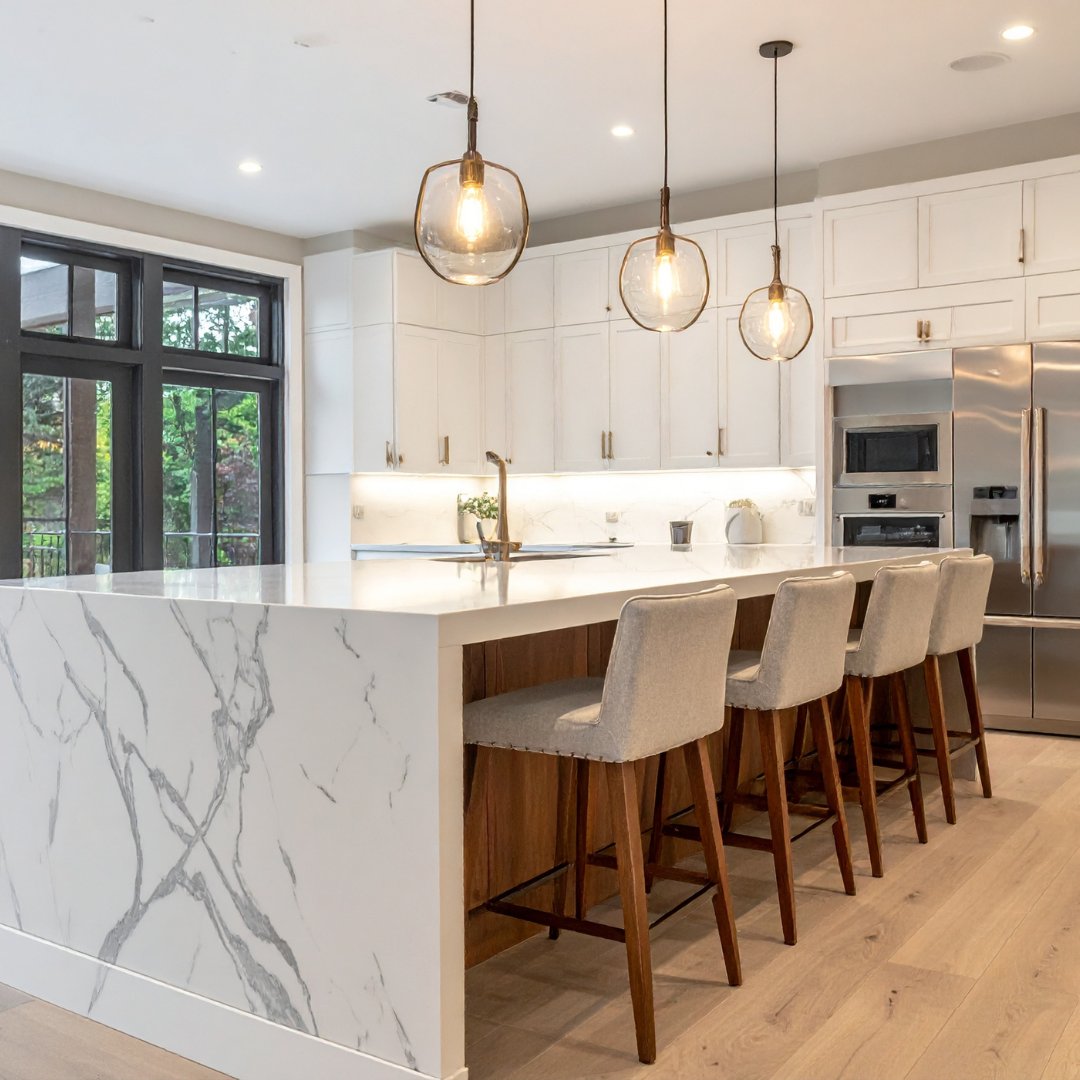
Upgrades that increase value include modern kitchens and bathrooms, updated HVAC systems, new heat pumps with dehumidifiers (critical in humid climate), refinished hardwood floors, fresh paint, and outdoor entertaining spaces (decks, patios, screened porches). Waterfront properties benefit from dock improvements, boat lifts, and shoreline stabilization. Energy-efficient upgrades (solar panels, spray foam insulation) appeal to year-round residents.
Be prepared for a longer sales cycle than mainland properties. The island’s remote location and limited buyer pool mean fewer showings but more serious prospects. Work with agents experienced in Eastern Shore waterfront properties who understand the unique dynamics of island real estate.
Tilghman Island’s dining scene centers on fresh, local seafood with waterfront views. Restaurants operate on seasonal schedules, with reduced hours or closures from November through March.
Two If By Sea is the go-to breakfast spot, featuring hearty morning fare with seafood specialties like crab benedict. The chef-owned restaurant hosts cooking classes and special dinners throughout the year, making it a community hub.
Tickler’s Crab Shack & Restaurant at Wylder Hotel offers the quintessential Chesapeake experience—steamed crabs, local oysters, and craft cocktails on outdoor decks overlooking Dogwood Harbor. Live music on weekends, fire pits for evening gatherings, and a marina bar make this a social center. Expect to pay $65-85 for all-you-can-eat blue crabs.
Blue Waterfront Restaurant at Tilghman Island Inn provides upscale dining with locally sourced ingredients from their greenhouse garden to table. The restaurant features seasonal menus, waterfront views, and both indoor and outdoor seating. Closed seasonally—verify hours before visiting.
Gina’s at the Bridge brings expanded menus and infamous margaritas to the island. The location near Knapps Narrows Drawbridge offers entertaining views of the bridge lifting for boats while you dine.
Characters Bridge Restaurant and Marker Five Restaurant & Tiki Bar both capitalize on drawbridge locations, offering casual dining with local seafood, steaks, and views of passing vessels. Marker Five’s tiki bar atmosphere attracts locals and visitors for sunset cocktails.
Tilghman Island Country Store serves more than groceries—it’s a lunch destination with made-to-order sandwiches, baked goods, and Friday@Five social hour. The store is essential for island living, providing provisions and community connection.
Entertainment centers on water-based activities and seasonal events. Tilghman Island Day in October features boat docking contests, crab picking and oyster shucking competitions, live music, and traditional Eastern Shore food. The event supports the volunteer fire department and draws hundreds of visitors annually.
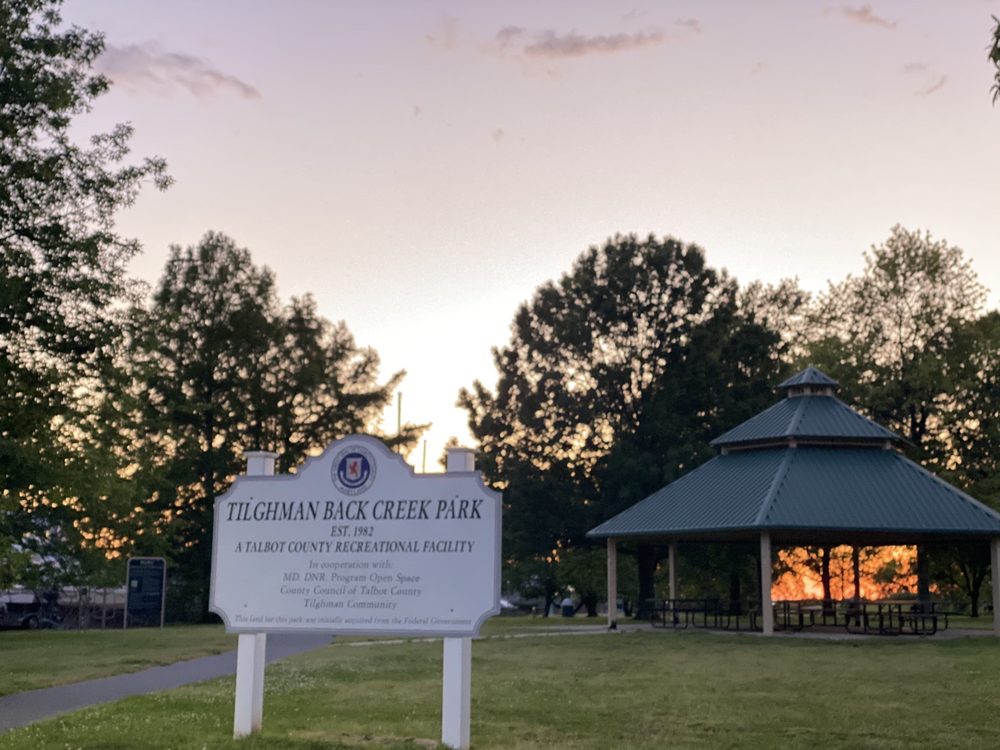
Recreation on Tilghman Island revolves around the water. The island lacks traditional parks but offers abundant natural recreational opportunities.
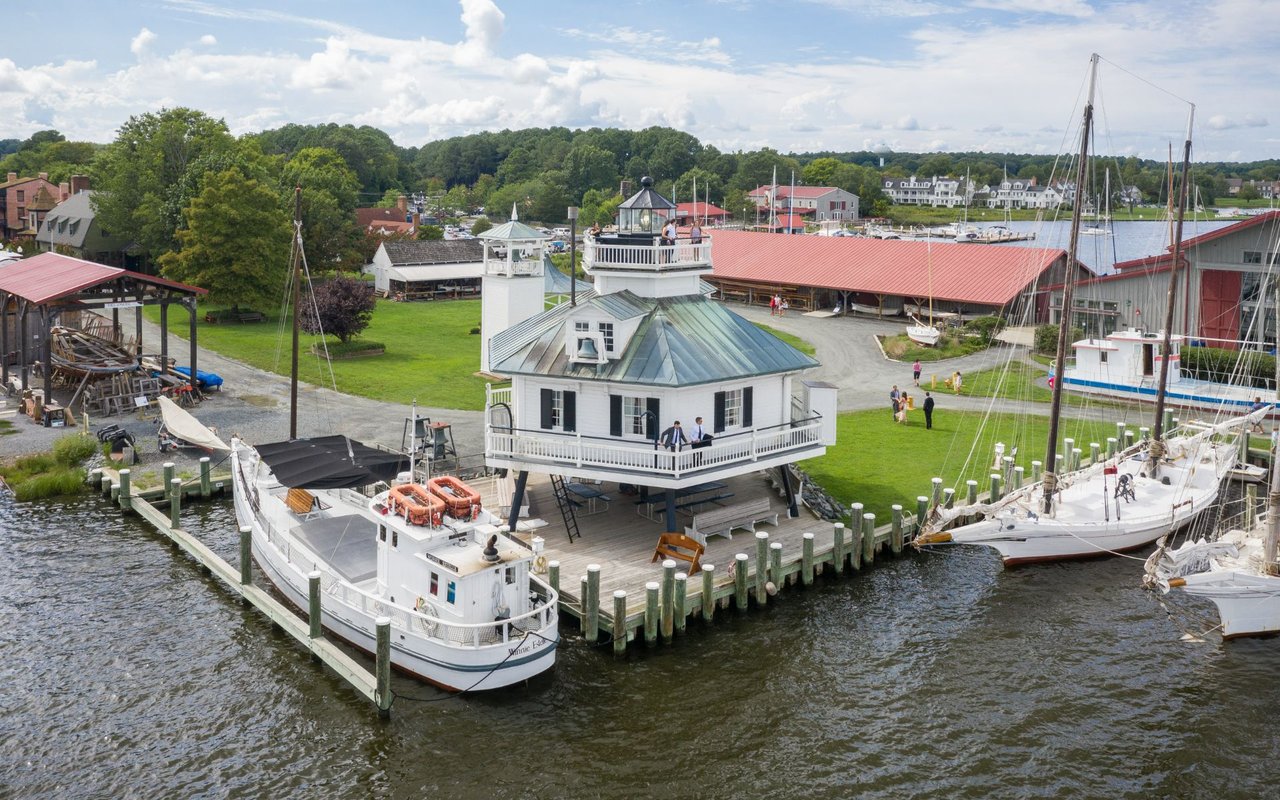
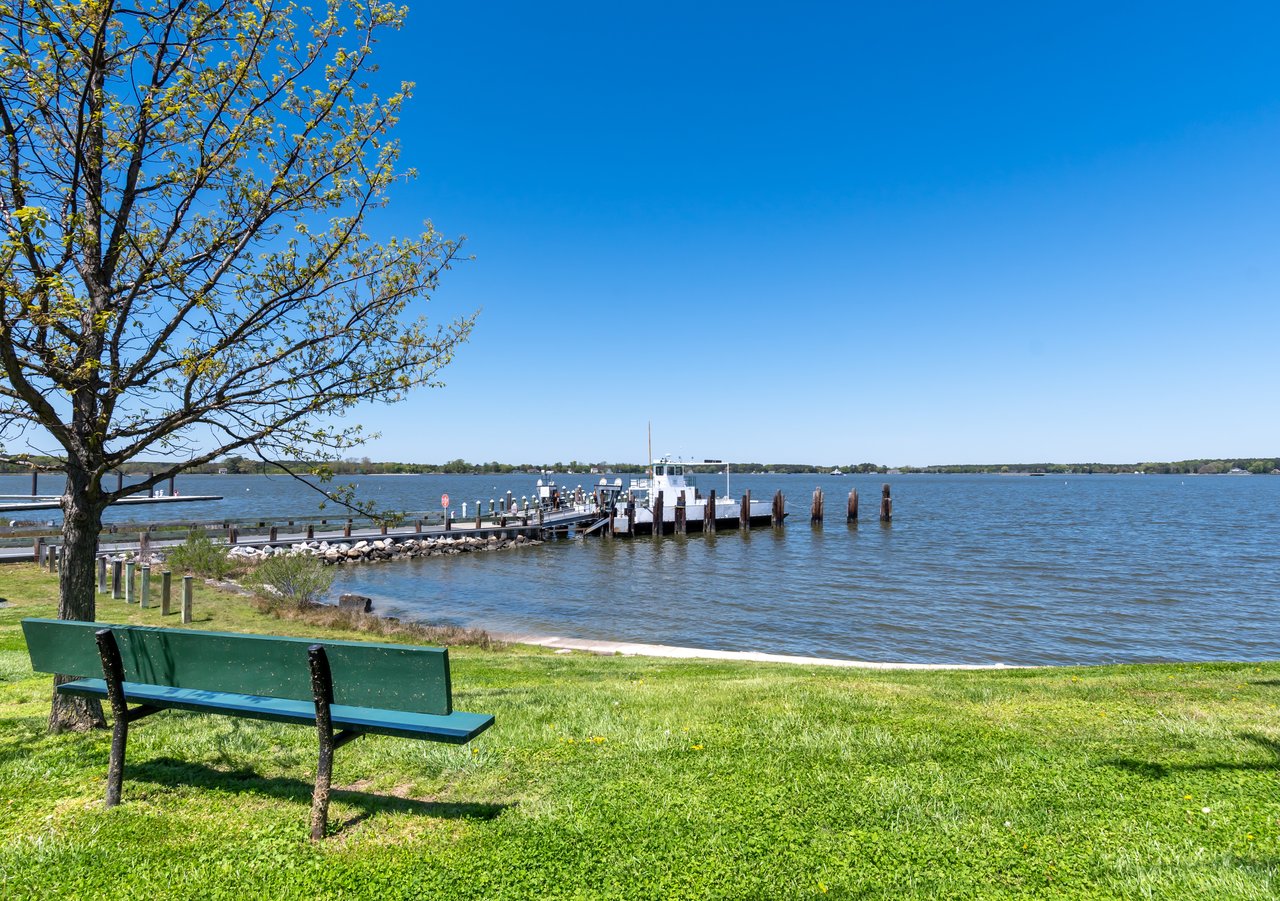
Dogwood Harbor serves as the community’s recreational hub. A public kayak dock provides water access, and the harbor is home to the last commercial skipjack fleet in North America. Visitors can launch kayaks and paddleboards here, with free parking along the grass side of the harbor.
Kayaking and paddleboarding are premier activities. Circumnavigating the island is a 7-8 mile paddle offering views of working boats, wildlife, and pristine shorelines. The Tilghman Island Water Trail provides mapped routes for self-guided exploration. On-island ecotour guides offer guided trips highlighting natural history and watermen culture. Head north through Knapps Narrows to Coaches Island for a beautiful beach and warm summer swimming.
Charter fishing is a major draw. Harrison’s operates a 14-boat charter fleet for sport fishing, rockfish, and bluefish excursions. Multiple captains offer crabbing trips where you can harvest blue crabs and learn traditional Chesapeake methods. Lighthouse tours cruise past iconic Bay lighthouses including Sharps Island Light.
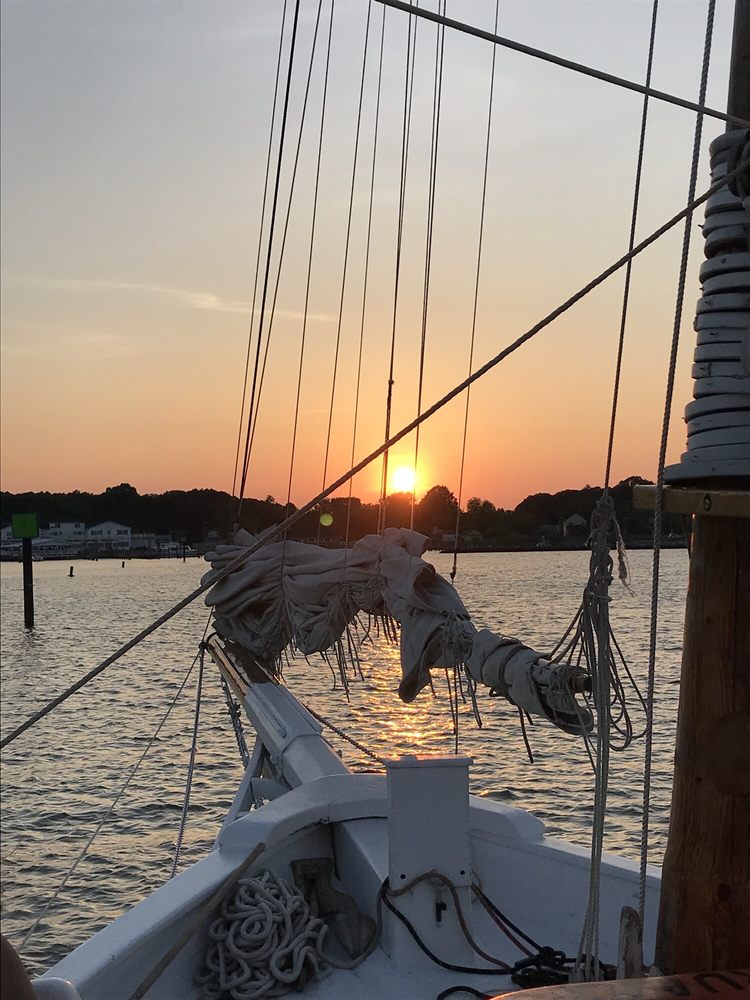
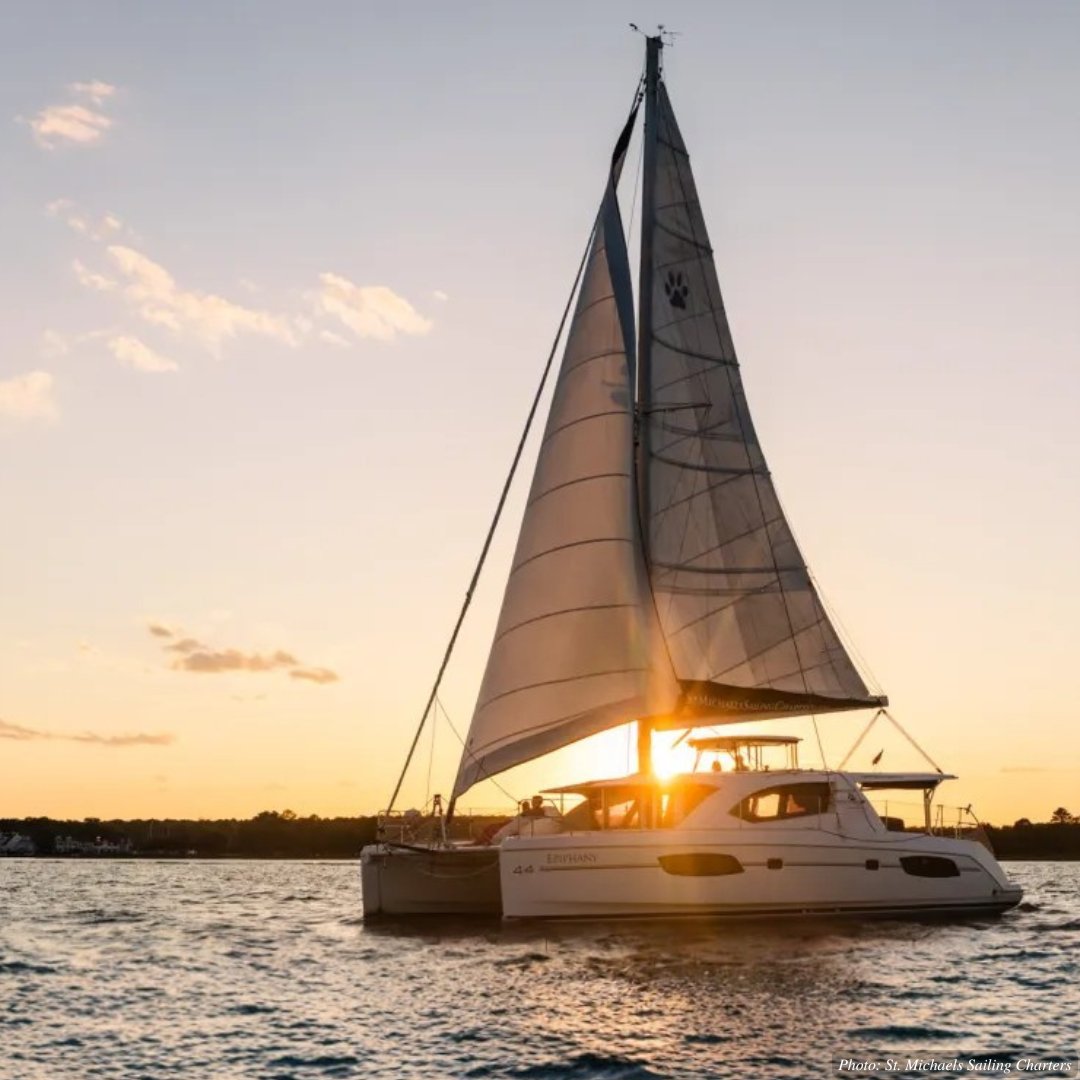
Sailing opportunities range from historic skipjack tours to modern yacht charters. The Rebecca T. Ruark—the oldest operating skipjack, built in 1886—offers sailing tours demonstrating traditional oyster dredging under sail. Lady Patty Classic Yacht Charters provides sailing aboard a 1931 canoe stern ketch.
Biking is ideal on the island’s flat roadways. Maryland Route 33 runs through the island’s center with scenic side roads offering quiet rides past historic homes, waterfront vistas, and marshlands. Bicycle rentals are available through local outfitters.
Phillips Wharf Environmental Center offers hands-on learning with touch tanks and exhibits on Chesapeake Bay ecology and history. The facility attracts families and anyone interested in understanding the Bay’s ecosystem.
Sinclair Community Park provides waterfront access at the end of Sinclair Avenue, popular for sunset viewing. While Tilghman lacks a public beach, the park offers water views and relaxation. The nearest swimming beach is in Claiborne, MD.
Tilghman Island’s culture is rooted in 375 years of watermen heritage. This is a working community where multi-generational families continue centuries-old traditions of harvesting oysters, crabs, and fish from the Chesapeake Bay. The culture values hard work, ingenuity, community support, and respect for the natural world.
Authenticity defines the island. As one local notes, “Folks come here and can’t believe it’s real. No one’s putting on a show. These families have worked these waters since the 1600s, and they’ll be here tomorrow morning whether you visit or not.” This isn’t a theme park or manufactured experience—it’s genuine maritime culture that continues to evolve.
The pace of life operates on “island time.” Rushing is foreign here. Conversations happen at Fairbank Tackle, the hardware store where watermen gather to swap stories. The community looks out for each other—neighbors check on one another, help with dock repairs, and share the day’s catch.
The Tilghman Watermen’s Museum preserves and shares this heritage, displaying artifacts, boat models, photographs, and oral histories of island families. The museum occupies a historic W-shaped house and tells the ongoing story of a community whose identity is inseparable from the water.
Skipjacks are cultural icons. These sailing vessels represent the last commercial sailing fleet in North America. Seeing them work the waters under sail connects present to past. The Rebecca T. Ruark, at 138 years old, is a National Historic Landmark that continues dredging oysters and winning races.
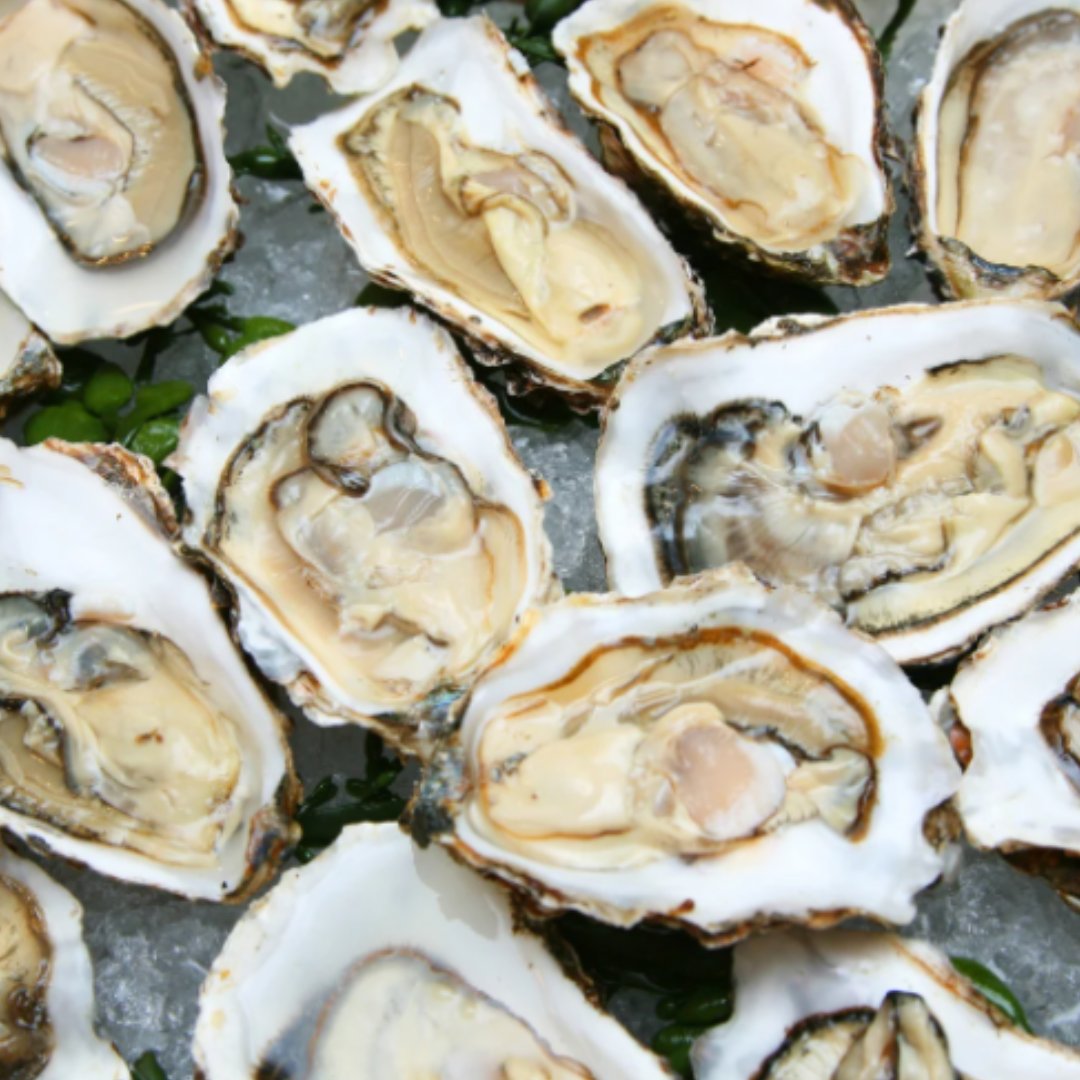
Food culture centers on seafood. Crab feasts are social events where neighbors gather to crack steamed blue crabs, tell stories, and enjoy cold beverages. Oyster roasts, fish fries, and community dinners mark the seasons. Expect fresh-from-the-water food with minimal pretension and maximum flavor.
The drawbridge shapes daily life. Locals plan around bridge openings, using delays as opportunities to chat with neighbors or watch boats pass. This rhythm—where human schedules bend to maritime needs—epitomizes island culture.
The culture balances tradition and change. While watermen numbers have declined, young islanders increasingly stay to maintain family businesses, seeing value in preserving what previous generations built. The island welcomes newcomers who respect its character and contribute to community life, while resisting development that would erase its essential nature.
Tilghman Elementary School serves prekindergarten through 5th grade on the island itself. With approximately 94-100 students, the school offers small class sizes and a student-teacher ratio of 10:1—better than the Maryland state average of 14:1. The school is ranked #258 out of Maryland elementary schools.
Academic performance shows 65% of students scoring at or above proficient level for reading (exceeding the state average of 42%) but only 35% proficient in math (below the state average of 25%). The school serves 59% economically disadvantaged students, with minority enrollment at 9% (primarily Hispanic).
The Tilghman Elementary Judy Center opened in January 2025, serving 40 families with children up to age five. The center provides workshops, family support services, enrichment activities, and early learning opportunities to prepare young children for school.
St. Michaels Middle/High School (8 miles away) serves grades 7-12 for Tilghman students. The combined campus has approximately 471 students with a student-teacher ratio of 15:1. The school receives a Niche grade of B- and offers advanced placement classes, athletics, and arts programs. The school’s small size allows for personalized attention but limited course offerings compared to larger schools.
Transportation is a consideration for middle and high school students, requiring daily 16-mile round trips. Talbot County Public Schools operates bus service, but families should plan for after-school activities and sports requiring parent transportation.
Preschool options include St. Luke’s United Methodist Church Preschool in St. Michaels, serving children ages 2-4. The Critchlow Adkins Children’s Center provides before and after school care.
Higher education requires commuting. Chesapeake College (Wye Mills) is 20 miles away. University of Maryland-College Park is 38 miles (about one hour), while Salisbury University is 50 miles east. These distances are manageable for college students living at home or commuting.
Some families opt for private schools in Easton or St. Michaels, though options are limited on the Eastern Shore. The small public school system fosters community but may not suit families seeking specialized programs, competitive academics, or extensive extracurricular options.
Tilghman Island requires car ownership—there is no public transportation. Maryland Route 33 provides the sole vehicular connection, running through the island’s center and connecting to U.S. Route 50 via St. Michaels (11 miles) and Easton.
Commute times to major cities are substantial but manageable for occasional travel or remote work with periodic office days. Washington, D.C. is 80 miles (1.5-2 hours depending on traffic), typically via Route 50 West to the Chesapeake Bay Bridge (4 miles), then Capital Beltway routes. Baltimore is 83 miles (2 hours) via Route 50 West across the Bay Bridge to I-97 North. Annapolis is 50 miles (1 hour), the most accessible city for regular commuting.
The Chesapeake Bay Bridge is the critical chokepoint for Western Shore access. Summer weekend traffic can add 30-60 minutes to commutes as beach-goers head to Ocean City. Reverse commuting from Tilghman toward D.C. or Baltimore is more pleasant than typical rush hour, as you’re traveling opposite peak flow directions. Morning commutes westbound and evening commutes eastbound avoid worst congestion.
Local accessibility within the island is straightforward. St. Michaels (20 minutes) provides shopping, dining, and services. Easton (23 miles, 30-35 minutes) offers major grocery stores, healthcare (Memorial Hospital), retail, and government services. These towns serve as the island’s service hubs for anything beyond basics.
The Knapps Narrows Drawbridge can impact daily travel. The bridge opens approximately 12,000 times yearly, primarily during boating season (April-October). Expect 5-15 minute delays several times daily when the bridge is active. Locals plan around this, allowing buffer time for appointments. Bridge openings follow a schedule based on vessel traffic—major delays typically occur during peak boating hours (morning departures, evening returns).
Air travel requires planning. Baltimore-Washington International (BWI) is the nearest major airport at 90 miles (1.5-2 hours). Reagan National Airport (DCA) is similar distance. Salisbury Regional Airport (70 miles) offers limited commercial service. For frequent flyers, proximity to airports is a consideration.
The island is effectively isolated without a car. Ride-sharing services (Uber, Lyft) have limited availability. Taxis serve the area but are expensive for regular use. Residents must be comfortable with car-dependent living and driving 15-30 minutes for most services and shopping.
People love Tilghman Island for its authenticity. This is real watermen culture, not a manufactured tourist experience. Watching skipjacks work the waters under sail, seeing multi-generational families maintain century-old traditions, and experiencing a community that values substance over pretension creates deep satisfaction for residents seeking genuine connection to place and heritage.
The waterfront lifestyle is unparalleled. Waking to sunrises over the Bay, watching ospreys fish, launching your kayak from your dock, and ending days with spectacular sunsets over the Choptank creates a quality of life that transcends conventional measures. Every day brings interaction with water—whether boating, fishing, or simply watching the play of light on the Bay.
The pace of life attracts people burned out by urban intensity. Island time means conversations aren’t rushed, commutes don’t exist, and the urgent matters of city life seem distant. Stress melts away when your biggest concern is timing your departure to avoid the drawbridge opening.
Fresh seafood is a daily pleasure. Eating crabs caught that morning, oysters harvested by your neighbor, and rockfish pulled from local waters creates connection to place and season impossible in landlocked locations. The restaurants serve what’s available that day—no menu can capture the freshness and quality.
Community cohesion provides social richness. In a place of 874 people, you know your neighbors, participate in island traditions, and feel part of something larger than yourself. The Tilghman Area Youth Association, volunteer fire department, and annual island day create shared identity and mutual support.
Nature is omnipresent. Birding, wildlife watching, and seasonal migrations (monarch butterflies in August) connect residents to natural cycles. The absence of light pollution reveals stunning night skies. The sounds are waves, wind, and osprey calls—not traffic and sirens.
Location balances remoteness with accessibility. You feel far from urban centers, yet Washington and Baltimore are manageable day trips. St. Michaels provides upscale amenities, Easton offers services, and the Bay Bridge connects to the broader world when desired. You can be as isolated or connected as you choose.
The inclusive atmosphere welcomes diversity. With same-sex couples at the 98.6th percentile nationally, the community demonstrates acceptance. Artists, retirees, watermen, and remote workers coexist respectfully. What matters is respect for the island and contribution to community—not background or lifestyle.
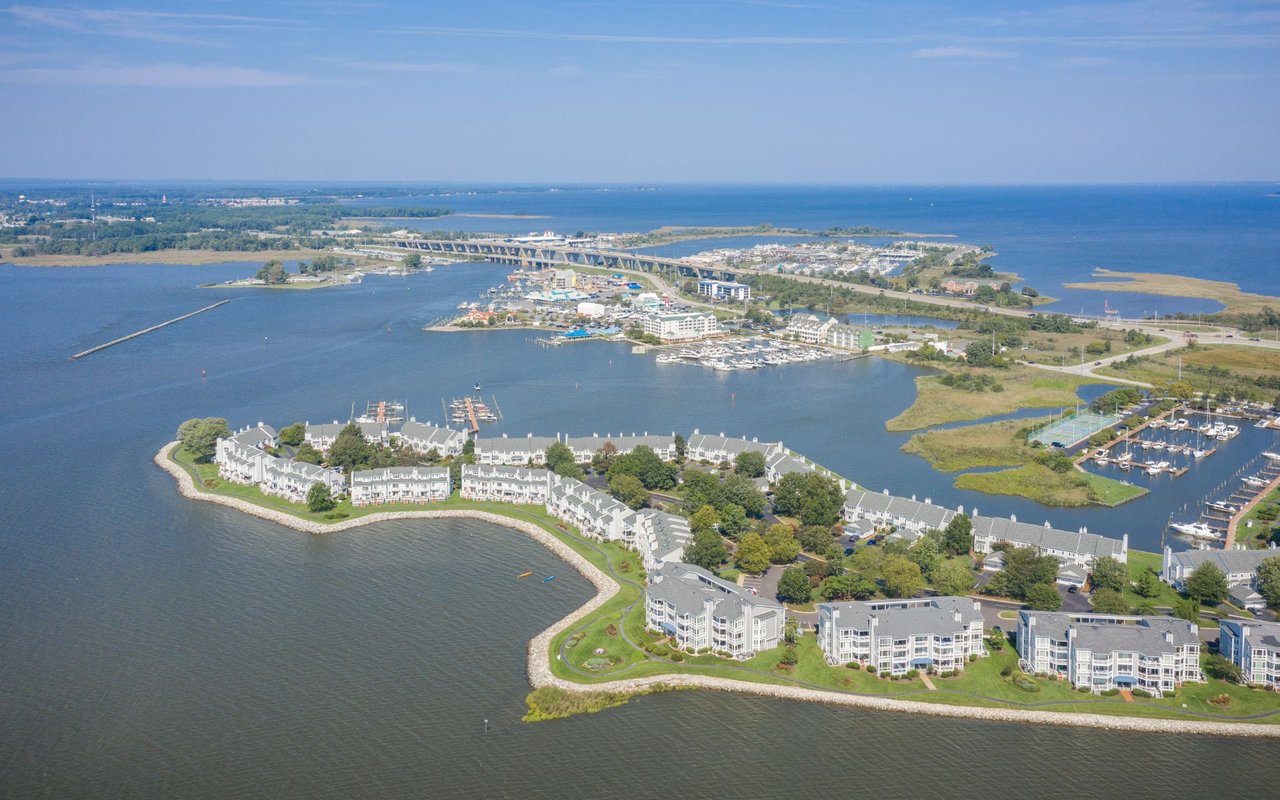
Tilghman-on-Chesapeake represents the island’s premier residential community. This waterfront development occupies the former Tilghman Packing Company site on Avalon Island. Properties feature club amenities including a waterfront clubhouse, pool, and boat slips. New construction homes range from $600,000-$800,000, offering modern living with traditional design. Streets within this community—particularly those with Bay views—command top prices.
Black Walnut Point offers exclusive waterfront estates. This area at the island’s southern tip features large properties with private docks, expansive water views, and seclusion. The Black Walnut Point Inn operates here, and surrounding properties are among the island’s most prestigious. Prices frequently exceed $1 million for premier lots.
Fairbank is the historic waterfront neighborhood on the island’s eastern shore along Black Walnut Cove. Properties here date from 1900-1940, offering character and authenticity. Many homes have been meticulously updated while preserving historic details. Waterfront homes with docks in Fairbank are highly sought for their combination of history, location, and water access.
Leeward Lane and Island Club Road within Tilghman-on-Chesapeake are particularly desirable streets, offering new construction and water-privileged properties. Homes here benefit from community amenities while maintaining privacy and water views.
Harris Creek properties along the eastern shore command premium prices for their broad water views looking across to Cambridge. These waterfront estates offer deeper water for larger boats and stunning sunrise vistas.
Dogwood Harbor vicinity provides working waterfront character with marina access, restaurants, and proximity to the skipjack fleet. While not as exclusive as other areas, properties here offer authentic watermen’s village atmosphere and walkability to dining and services.
Sinclair Avenue leads to Sinclair Community Park, offering sunset views and water access. Properties on this street balance affordability with desirable location near waterfront amenities.
Bar Neck Road on the island’s southern reaches provides large parcels with agricultural and waterfront character. These properties appeal to buyers seeking acreage, privacy, and development potential.
Tilghman Island is for people who value authenticity over convenience. If you need next-day Amazon delivery, dozens of restaurant choices, and proximity to major shopping, this island will frustrate you. If you value genuine community, water-centered living, and connection to place and heritage, Tilghman offers rare quality of life.
Retirees find ideal conditions here. The median age of 57.8 reflects strong retirement appeal. The pace of life, natural beauty, boating opportunities, and welcoming community suit people transitioning from career intensity to leisure and purpose-driven living. With manageable distance to urban healthcare and family, retirees can age in place while enjoying waterfront serenity.
Remote workers seeking lifestyle transformation thrive here. If your job allows full remote work with occasional travel, Tilghman provides inspiring surroundings and quality of life impossible in conventional locations. However, verify internet reliability at your specific address—connectivity has improved but varies by location.
Boating enthusiasts consider Tilghman paradise. Sailors, powerboaters, kayakers, and anglers enjoy unparalleled access to the Chesapeake Bay and Choptank River. Multiple marinas, charter services, and water-based recreation make this a premier boating destination.
Second-home buyers seeking coastal retreat find value here. With 33.4% vacancy rate, many properties serve as weekend and summer getaways. The island offers escape from urban intensity while remaining accessible for long weekends. Seasonal living allows enjoyment without year-round commitment to limited services.
Nature lovers and birders appreciate abundant wildlife and unspoiled landscapes. Kayaking pristine waterways, watching osprey hunt, observing monarch migrations, and experiencing seasonal changes connect residents to natural rhythms increasingly rare in developed areas.
People seeking community over anonymity will flourish here. If you prefer knowing your neighbors, participating in local traditions, and contributing to community wellbeing, Tilghman provides social richness. If you value privacy and anonymity, the small population may feel claustrophobic.
Ultimately, Tilghman Island is for people whose idea of wealth is measured in sunrises over the Bay, fresh crabs on the dock, knowing your neighbors’ names, and living in rhythm with water and seasons rather than spreadsheets and meetings. If this resonates, Tilghman may be your ideal home.
There's plenty to do around Tilghman Island, including shopping, dining, nightlife, parks, and more. Data provided by Walk Score and Yelp.
Explore popular things to do in the area, including Quarter Acre Farm, Two If By Sea Restaurant, and Tickler's Crab Shack.
| Name | Category | Distance | Reviews |
Ratings by
Yelp
|
|---|---|---|---|---|
| Dining | 0.42 miles | 0 reviews | 0/5 stars | |
| Dining · $$ | 0.49 miles | 80 reviews | 4.1/5 stars | |
| Dining | 0.54 miles | 59 reviews | 3.8/5 stars | |
| Dining · $$ | 0.56 miles | 45 reviews | 3/5 stars | |
| Dining · $ | 0.79 miles | 39 reviews | 4.7/5 stars | |
| Dining | 0.79 miles | 0 reviews | 0/5 stars | |
| Dining | 1.19 miles | 18 reviews | 3.5/5 stars | |
| Dining | 1.21 miles | 8 reviews | 4.1/5 stars | |
| Dining | 2.32 miles | 1 review | 5/5 stars | |
| Dining | 4.15 miles | 0 reviews | 0/5 stars | |
| Dining | 4.15 miles | 0 reviews | 0/5 stars | |
| Shopping | 0.5 miles | 0 reviews | 0/5 stars | |
| Active | 0.42 miles | 0 reviews | 0/5 stars | |
| Active | 0.56 miles | 3 reviews | 4.7/5 stars | |
| Active | 1.17 miles | 19 reviews | 4.3/5 stars | |
| Active | 1.32 miles | 1 review | 4/5 stars | |
| Active | 1.33 miles | 1 review | 4/5 stars | |
| Beauty | 0.94 miles | 0 reviews | 0/5 stars | |
|
|
||||
|
|
||||
|
|
||||
|
|
||||
|
|
||||
|
|
Tilghman Island has 405 households, with an average household size of 2.16. Data provided by the U.S. Census Bureau. Here’s what the people living in Tilghman Island do for work — and how long it takes them to get there. Data provided by the U.S. Census Bureau. 874 people call Tilghman Island home. The population density is 365 and the largest age group is Data provided by the U.S. Census Bureau.
Total Population
Population Density Population Density This is the number of people per square mile in a neighborhood.
Median Age
Men vs Women
Population by Age Group
0-9 Years
10-17 Years
18-24 Years
25-64 Years
65-74 Years
75+ Years
Education Level
Total Households
Average Household Size
Average individual Income
Households with Children
With Children:
Without Children:
Blue vs White Collar Workers
Blue Collar:
White Collar: