Welcome to
1,837 people live in Cordova, where the median age is 43.1 and the average individual income is $40,291. Data provided by the U.S. Census Bureau.
Total Population
Median Age
Population Density
Average individual Income
Cordova is the kind of place buyers discover only after they've driven past it a few times. There's no marina, no harbor-front restaurant row, no line of visitors waiting for a table on a Saturday afternoon. What there is instead is land — wide, open, working land — and a community of people who chose that on purpose.
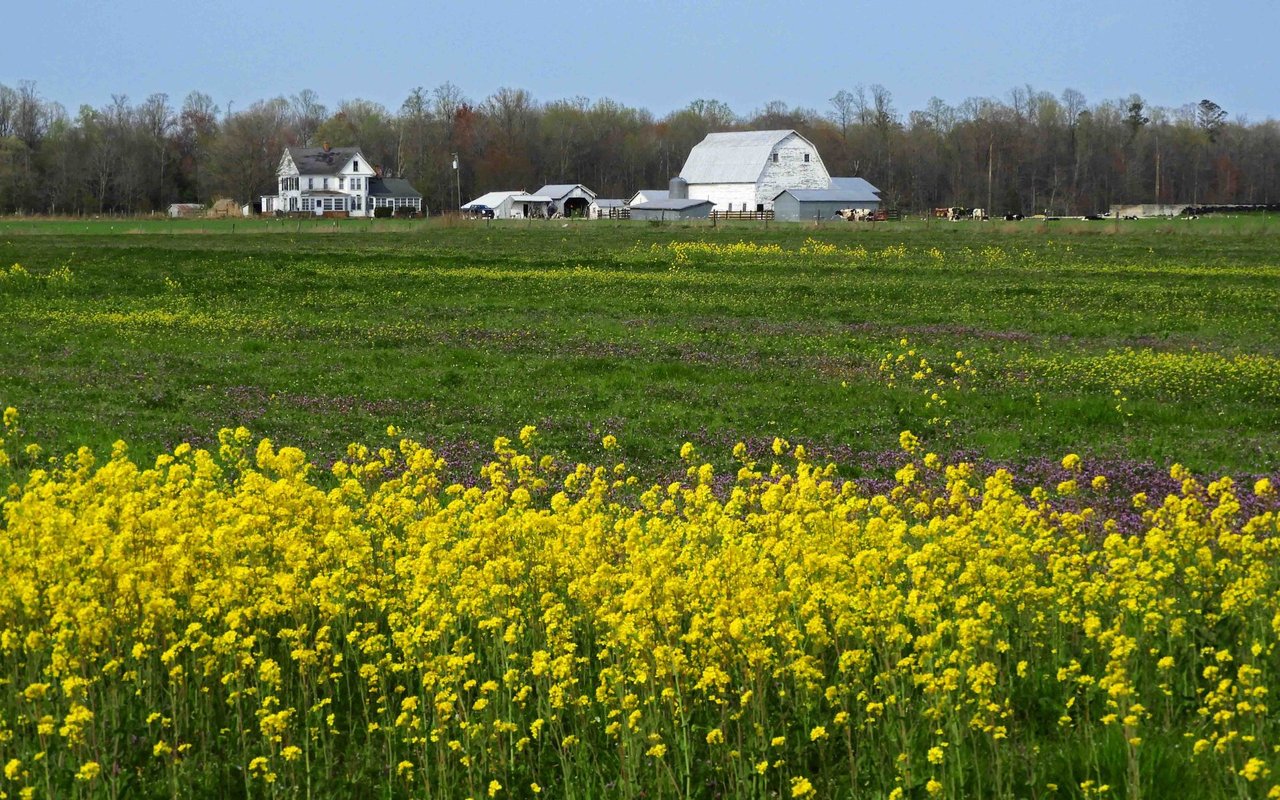
For decades, this small unincorporated village in northern Talbot County has been the quiet counterweight to the Eastern Shore's better-known waterfront towns. While St. Michaels and Oxford built their identities around the water, Cordova built its identity around soil. That difference still shapes everything about the place today: the property sizes, the price per acre, the pace of daily life, and the kind of buyer who ends up putting down roots here.
If you're looking for a home where you can keep horses, build a workshop, plant a real garden, and still be sitting down to dinner in downtown Easton fifteen minutes later, Cordova deserves a serious look. This guide walks through what the community actually offers — the geography, the history, the housing stock, the schools, the drive times, and the honest practical considerations that come with buying rural property on the Shore.
Cordova is an unincorporated community in the northern inland region of Talbot County, Maryland. It sits roughly eight miles northeast of Easton, the county seat, and just south of the Queen Anne's County line. Unlike its famous neighbors on the bayside, Cordova is firmly landlocked, resting on the interior plain of the Delmarva Peninsula.
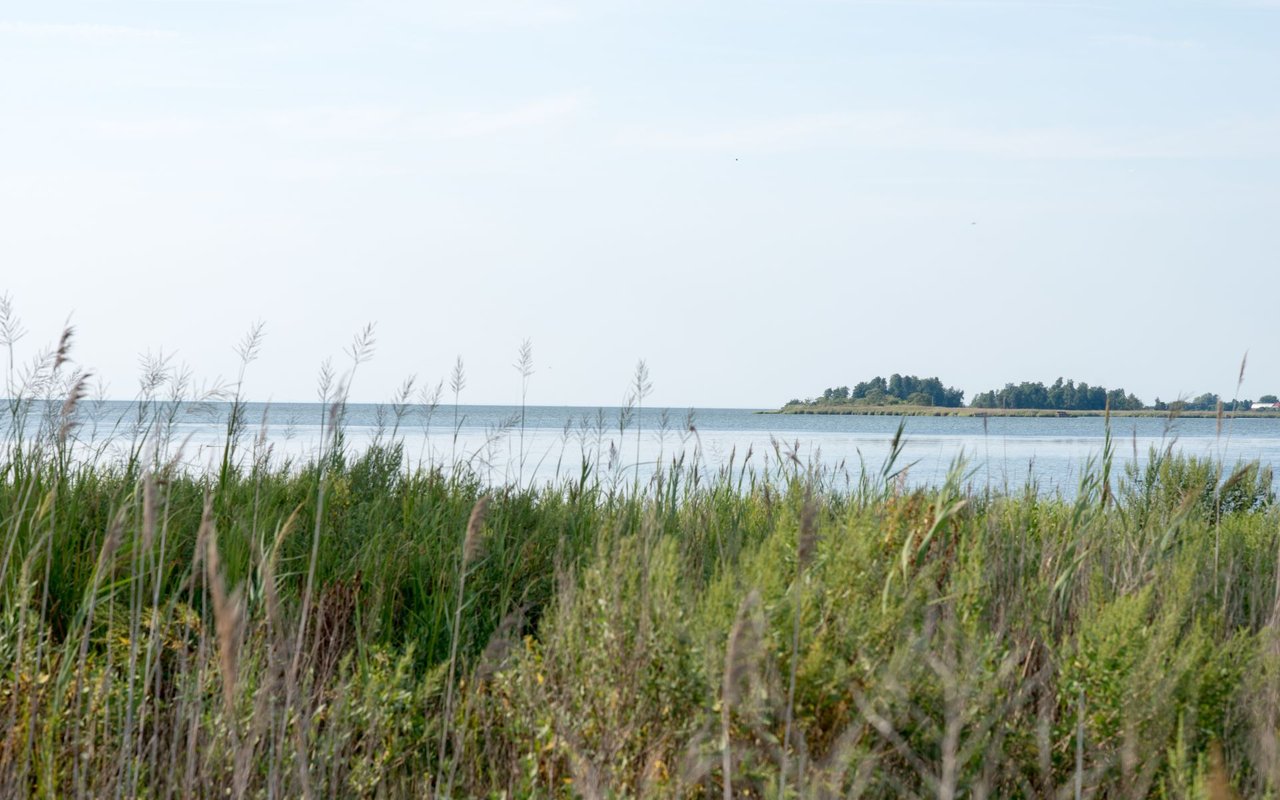
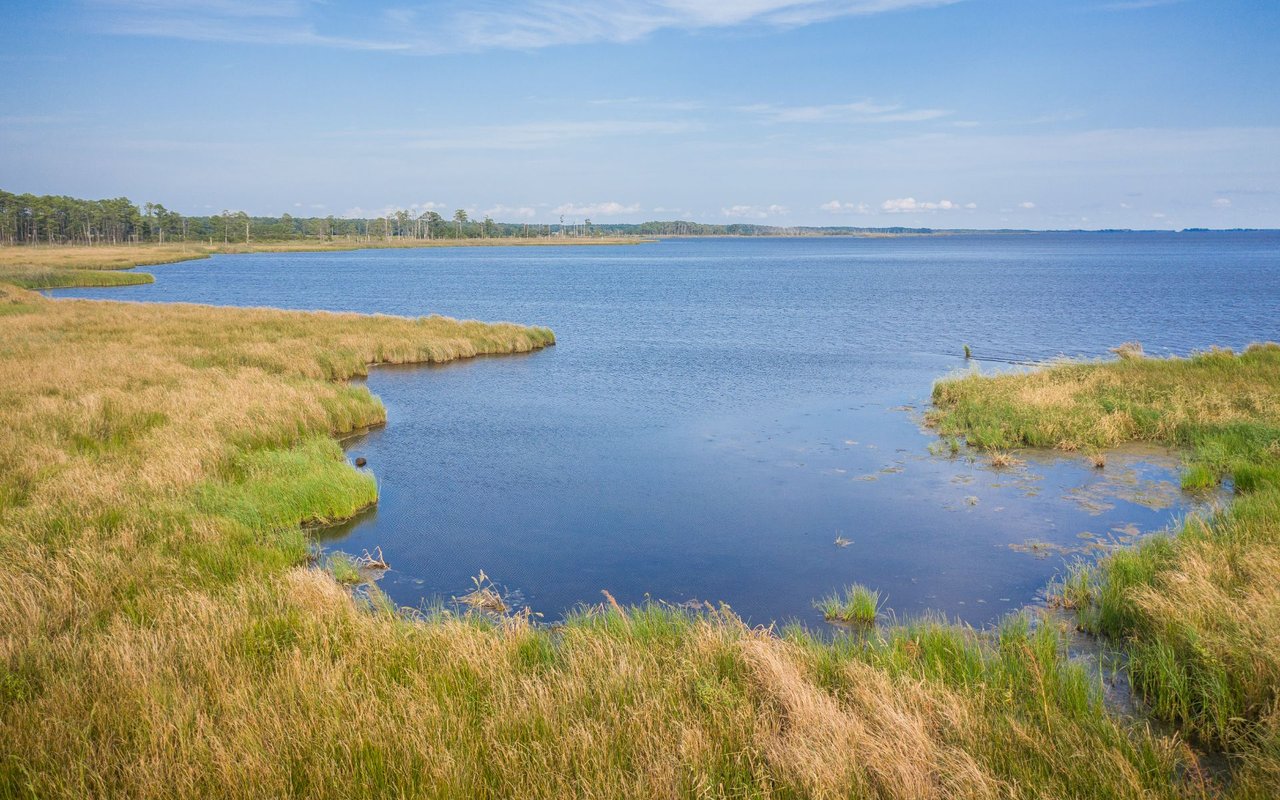
Geographically, the community occupies a high, flat stretch of the Eastern Shore watershed between two significant water systems. The Wye River lies to the west, and Tuckahoe Creek — a major tributary of the Choptank River — runs along the eastern edge. That positioning matters more than it might sound. It means Cordova gets the benefit of proximity to protected natural areas and paddling water on both sides without carrying waterfront property taxes or shoreline maintenance obligations.
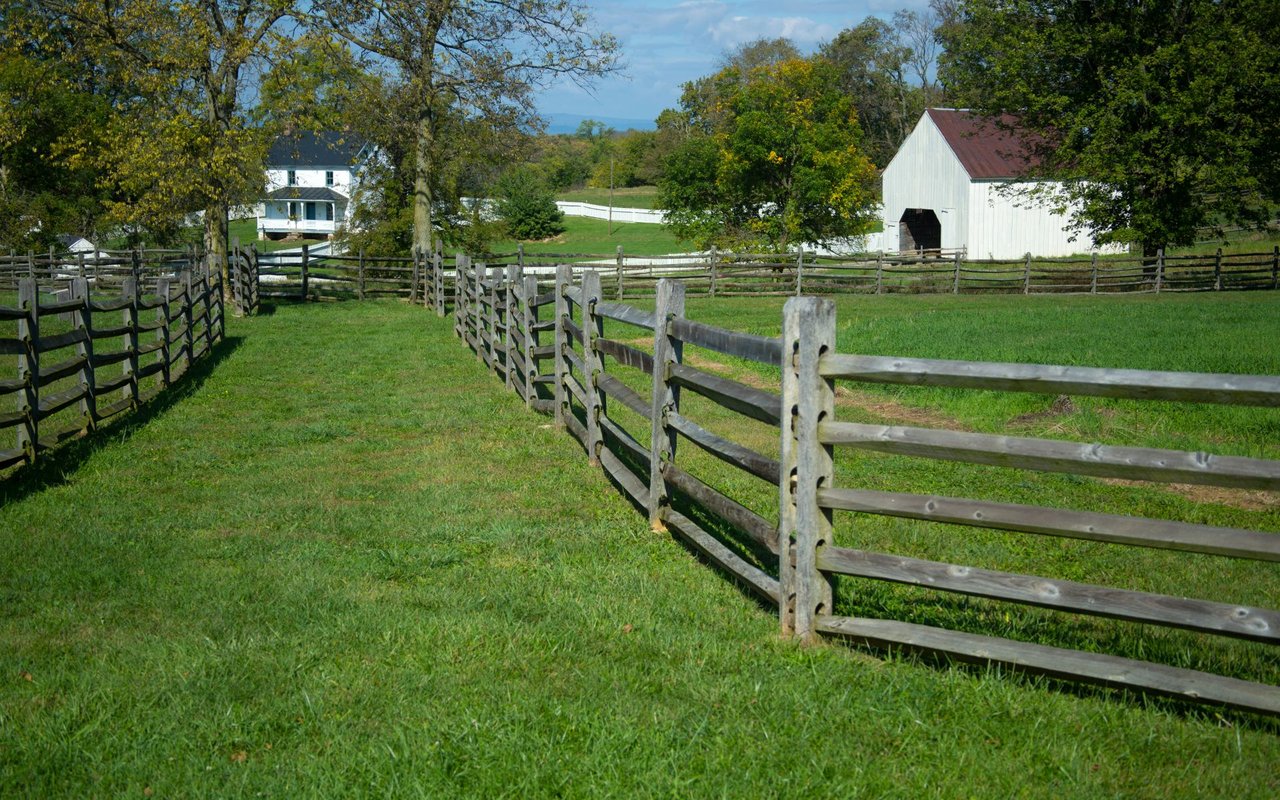
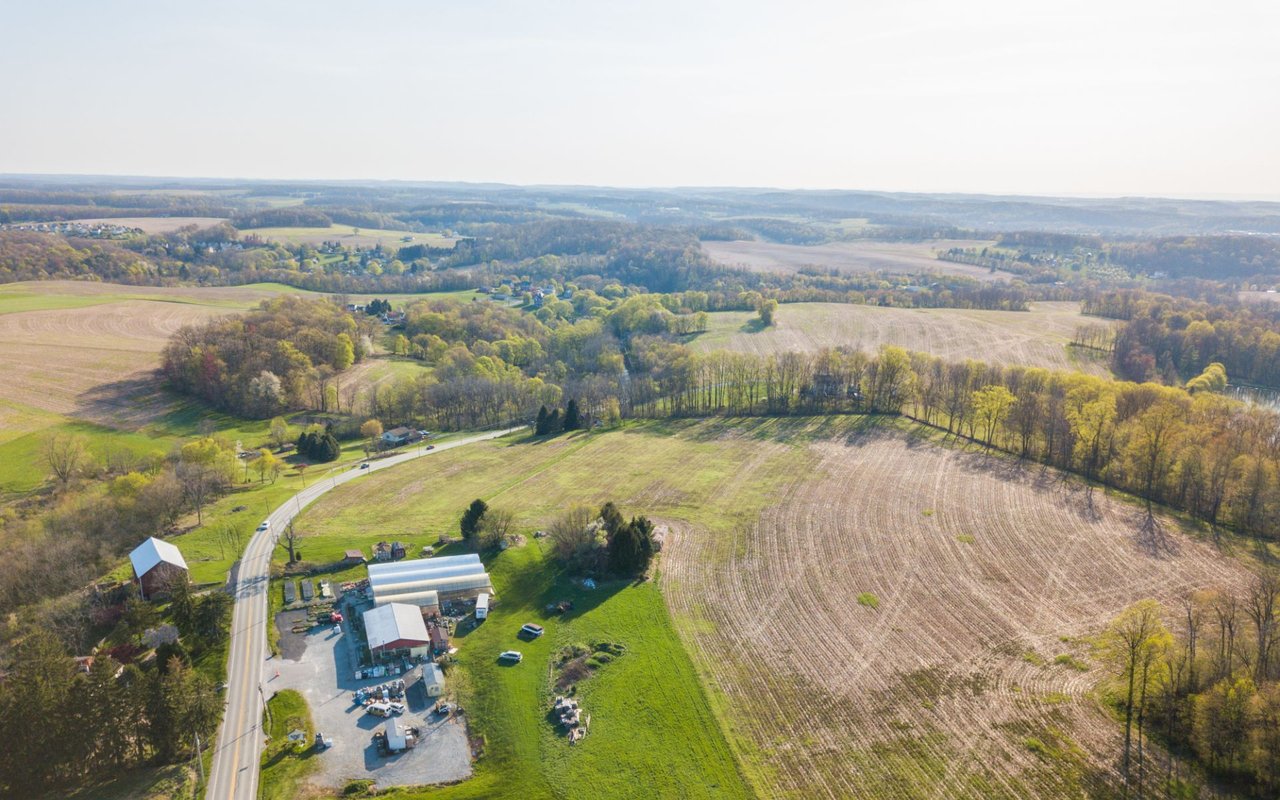
Maryland Route 309 runs as the spine of the community, making Cordova a rural crossroads connecting the coastal bayside communities to the deep agricultural fields of the mid-shore. The land here is level and open, with long sightlines across grain fields and tree lines that give the area its distinctly agricultural character.
Understanding Cordova's history explains a great deal about why the properties here look the way they do — and why the parcels are as large as they are.
Early agricultural roots and the shift from tobacco. In the seventeenth and eighteenth centuries, English settlers throughout Talbot County built their economy on tobacco grown along tidal shorelines. After the American Revolution, soil depletion and shifting markets forced a broad transition away from tobacco toward grain. That change turned inland areas like Cordova into productive cropland for wheat and corn, establishing the farm-parcel pattern that still defines local property boundaries.
Birthplace of Frederick Douglass. Just east of Cordova, along Kentucky Branch — a small stream feeding into Tuckahoe Creek — Frederick Douglass was born into slavery in early 1818 at the cabin of his grandmother, Betsey Bailey. The abolitionist, orator, and statesman's connection to this landscape gives the area a place in American history far larger than its population would suggest.
The arrival of the railroad. The village solidified in the late nineteenth and early twentieth centuries with the development of the Delaware, Maryland and Virginia Railroad, later absorbed into the Pennsylvania Railroad system. The tracks turned Cordova into an essential shipping point, letting local farmers move produce, grain, and timber across the Mid-Atlantic.
A mid-century agricultural hub. Through the 1920s and 1930s, the railroad delivered pre-cut Sears kit homes directly into town to house growing farm families — a handful of which still stand and occasionally come to market. The area supported vegetable canneries and early poultry processing facilities that anchored the county's pivot toward corn, soybeans, and chicken.
A turning point in soil conservation. In the 1940s and 1950s, Cordova's farmers became advocates for better land management. Facing serious runoff problems, local agricultural leaders pushed for the creation of the Talbot Soil Conservation District, formally established in 1958 to protect and improve the watershed.
The rail line and processing plants are long gone. What remains is the heart of Talbot County's inland farming corridor — wide grain fields, preserved agricultural acreage, and rural roots that run genuinely deep.
Life in Cordova is quiet in a way that's increasingly hard to find within reasonable distance of a metropolitan area. Traffic is light, the farmland is expansive, and the night skies are dark enough that stargazing is a legitimate reason to stand outside after dinner. The rhythm of the year still tracks the agricultural calendar, and community traditions like the annual Cordova Volunteer Firemen's Association Country Fair remain genuine local events rather than tourist attractions.
That quiet doesn't come at the cost of convenience. Residents sit ten to fifteen minutes from downtown Easton, which means regional medical care, full-service grocery stores, boutique shopping, and one of the Eastern Shore's strongest dining and arts scenes — including the Avalon Theatre — are all within an easy drive. This is the specific trade that draws most buyers here: rural setting, urban access.
The lifestyle also rewards anyone who spends time outdoors. Large lots mean room for personal gardens, workshop outbuildings, or equestrian setups. Cordova's position between Tuckahoe State Park and the Wye River puts kayaking, hunting, fishing, and trail hiking within a short drive in either direction.
Because there are no commercial strips or corporate developments, community life gathers around a small set of institutions — the Cordova Volunteer Fire Company, local churches, and a handful of neighborhood gathering spots. The result is a genuine know-your-neighbor culture, which some buyers find essential and others should honestly consider before committing.
The Cordova market behaves differently from the rest of Talbot County, and buyers who arrive expecting suburban inventory tend to recalibrate quickly.
Property types run wide. Inventory spans late nineteenth-century farmhouses, mid-century ramblers, custom-built modern homes, and sprawling agricultural estates. Vacant acreage and land lots for custom builds also come available with reasonable regularity.
Lot sizes are generous by design. Homes here rarely sit on the tight quarter-acre lots common in Easton or St. Michaels subdivisions. Most single-family properties offer one to five-plus acres, which delivers real privacy and room to expand.
Pricing rewards buyers looking for land. Mid-sized single-family homes and updated ranches on a few acres generally run from $350,000 to $500,000. Larger custom homes, restored historic farmhouses, and properties with substantial acreage frequently range from $700,000 to well over $1,000,000.
Rural infrastructure is the norm. Because Cordova is an inland rural community, most properties operate on private wells and septic systems rather than municipal utilities. Buyers should also verify internet service options — fiber availability varies parcel to parcel, and satellite remains the fallback on more remote tracts. These aren't obstacles, but they are items to confirm during due diligence rather than assume.
Inventory stays tight. Talbot County's overall popularity combined with demand for land near the Bay Bridge corridor means well-priced Cordova properties move quickly. The community consistently appeals to buyers seeking more land for the money than coastal water-access properties can offer.
This is the category Cordova does better than nearly anywhere else in Talbot County.
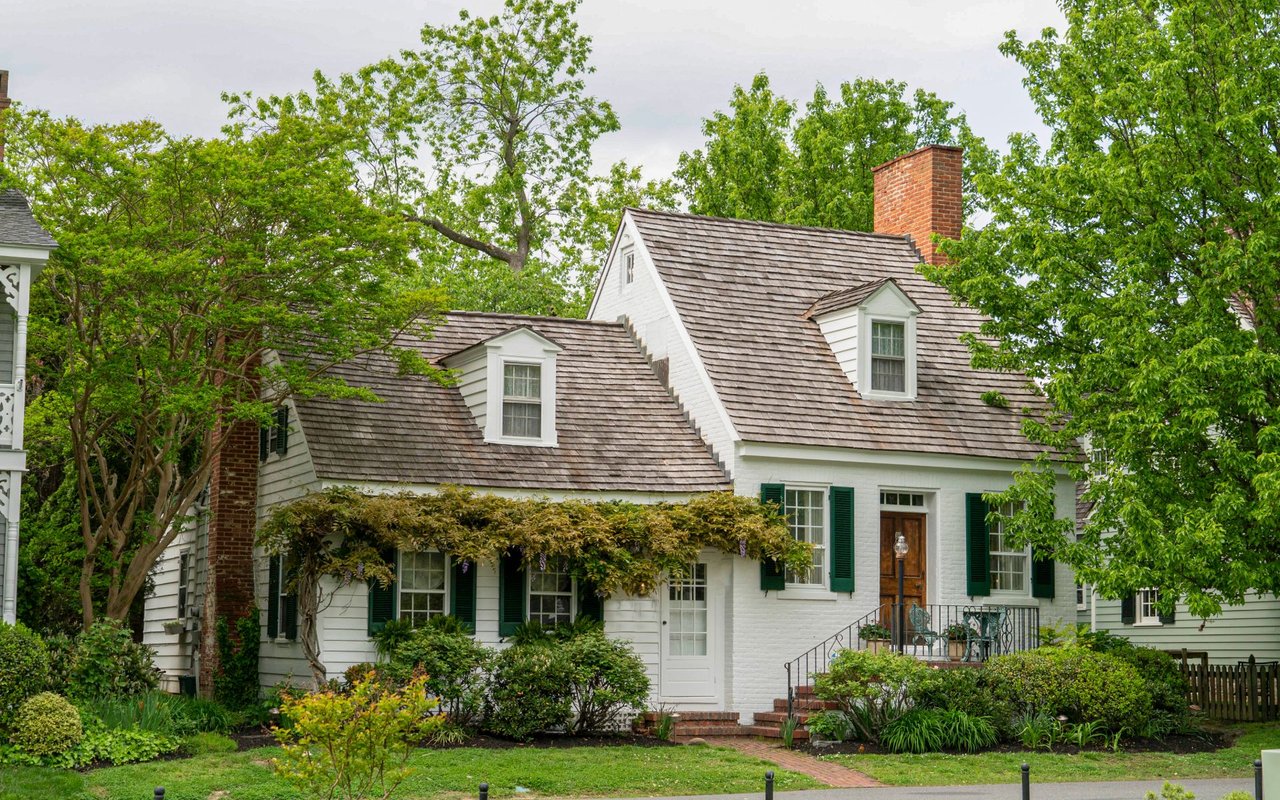
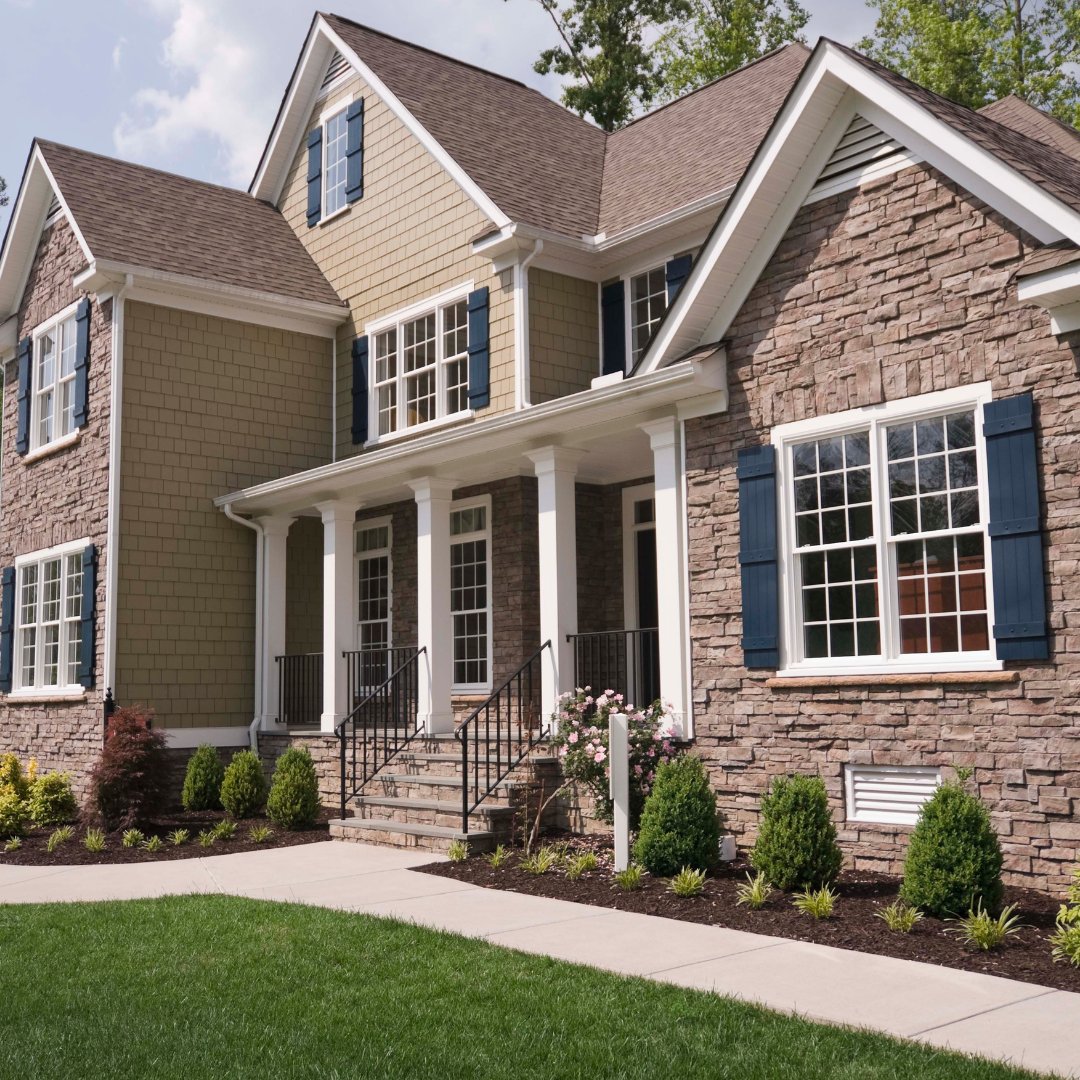
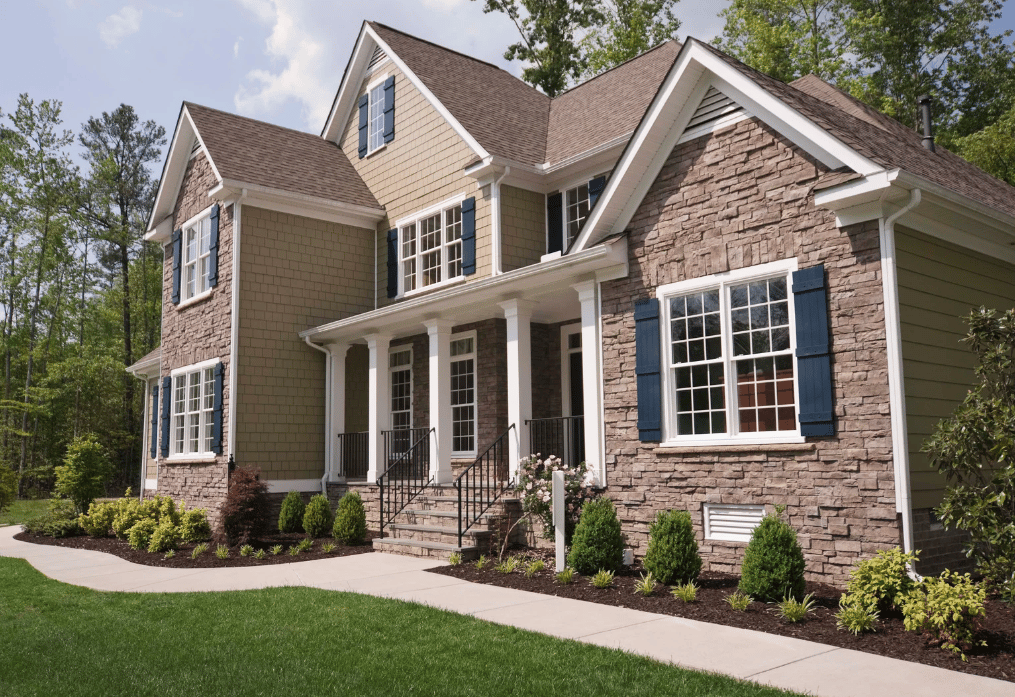
Classic and modern farmhouses. The inventory includes genuine historic farmsteads, original Sears kit homes from the early 1900s, and newly constructed coastal farmhouses built in the same spirit. Common features include wrap-around porches, oversized country kitchens, and preserved hardwood detail in the older stock.
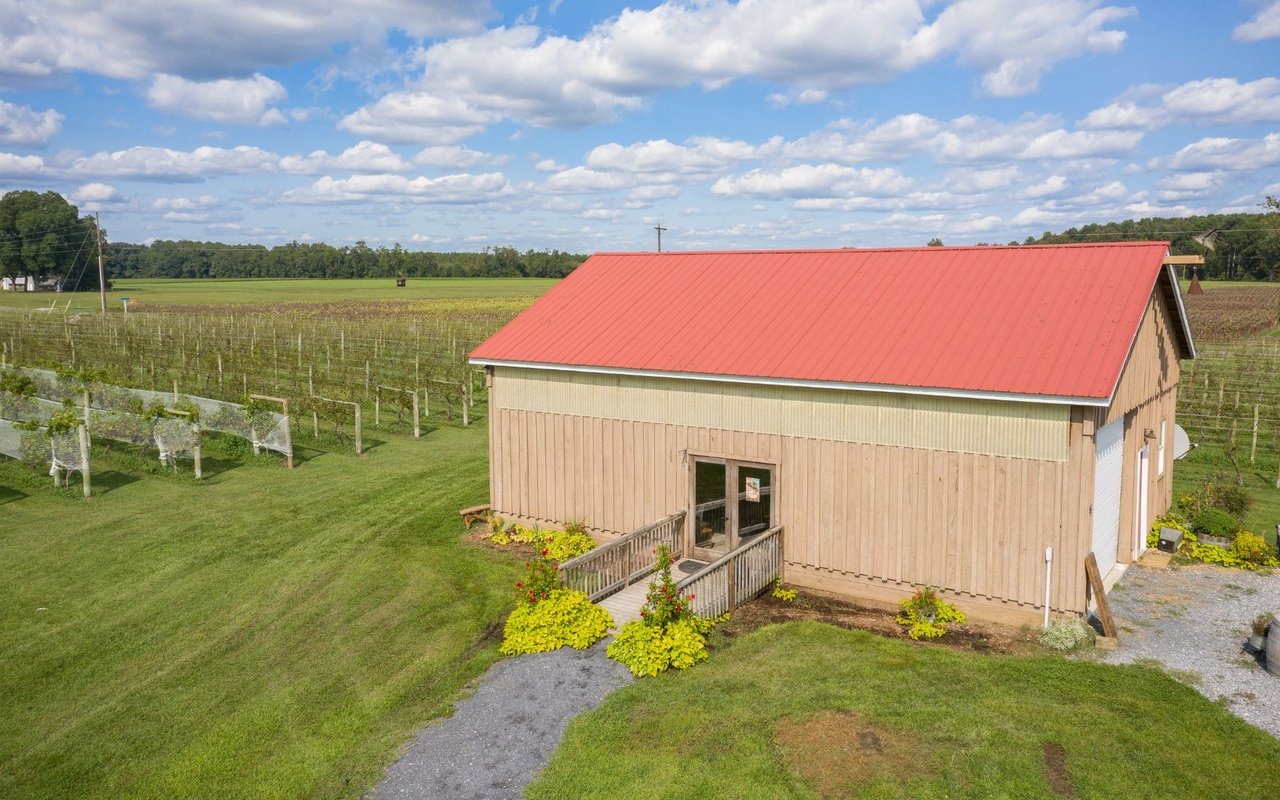
Expansive parcels. Where neighboring waterfront towns are constrained by tight lot lines, Cordova is defined by open parcels ranging from two acres to fifty or more. That scale creates room for multi-bay workshops, pole barns, private timber stands, and working agricultural operations.
Equestrian infrastructure. Flat interior topography, rich soils, and extensive trail networks make this a natural hub for horse owners. Equestrian properties here typically feature fenced pastures, run-in sheds, private riding rings, and multi-stall barns. When these properties come to market, they attract buyers from well outside the region.
Trail access. Riders benefit from private farm trails as well as public routes at Tuckahoe State Park, sitting just past the northern edge of the community.
New construction in Cordova looks nothing like new construction in a planned suburb, and buyers should understand the distinction before they start searching.
Because master-planned tract subdivisions are essentially absent here, new homes are almost always custom builds on individual private lots. Land parcels routinely come to market already carrying perked soil tests, meaning they're ready for private well and septic design without the uncertainty that stops many rural land deals.
Architecturally, the area leans heavily toward modern farmhouse, craftsman, and coastal ranch designs. Typical floor plans emphasize open main-level living, a ground-floor primary suite, expansive covered rear patios, and attached two- to three-car garages — layouts built around the way people actually use rural property.
Buyers generally work with regional Eastern Shore custom builders, including firms like Ewing Construction and independent craftsmen based throughout Talbot and Queen Anne's counties. These builders bring specific fluency in rural utility planning, local zoning requirements, and soil-appropriate foundation work, which matters considerably more here than it would on a serviced suburban lot.
For buyers who want turnkey new construction with builder warranties rather than a custom build on raw land, master-planned alternatives like Gannon Range in Easton and The Preserve at Wye Mills sit just minutes beyond Cordova's borders.
The average home value in Cordova sits right around $455,000. Standard single-family homes generally trade between $350,000 and $500,000, while larger custom estates, working farms, and multi-acre properties start near $700,000 and can move well past $1,000,000 depending on total acreage and equestrian infrastructure.
Inventory is consistently thin, and that's structural rather than cyclical. Cordova has a small geographic footprint and a high ratio of preserved farmland, so homes simply don't hit the market in volume. When a well-priced property on acreage does list, it tends to draw quick interest — often from buyers relocating within the Mid-Atlantic who have been watching the area for months.
What drives value here differs meaningfully from the waterfront markets nearby. Usable land, soil quality, outbuildings, and privacy buffers carry far more weight than water access. That pricing logic is exactly why buyers get substantially more square footage and acreage per dollar in Cordova than they would in St. Michaels or Oxford.
Longer term, the fundamentals favor stability. As Easton continues to grow denser, demand from buyers seeking country living within reach of city conveniences supports steady year-over-year equity growth rather than the volatility that can affect second-home and resort markets.
Cordova falls within Talbot County Public Schools, a district well regarded on the Eastern Shore for strong community involvement and competitive academic programming.
Elementary students attend Chapel District Elementary School, located directly in Cordova. Beyond its academic role, the school functions as a genuine community anchor for families in the northern part of the county — a meaningful factor for buyers with young children who want a local point of connection.
For upper grades, students route to Easton Middle School and Easton High School, roughly a ten to fifteen minute commute. Easton High offers Advanced Placement coursework, well-developed career and technical education pathways, and competitive athletics.
Families considering independent education have several options within a short drive:
School | Type | Grades |
|---|---|---|
Saints Peter & Paul School | Catholic | PreK–12 |
The Country School | Independent | K–8 |
Chesapeake Christian School | Christian | PreK–12 |
Cordova's recreational appeal comes from what surrounds it more than what's inside it — and what surrounds it is substantial.
Tuckahoe State Park stretches along the community's eastern boundary. At roughly 3,800 acres, it's the primary recreational hub for the area, with more than twenty miles of multi-use trails supporting hiking, horseback riding, and mountain biking, plus quiet wooded campsites.
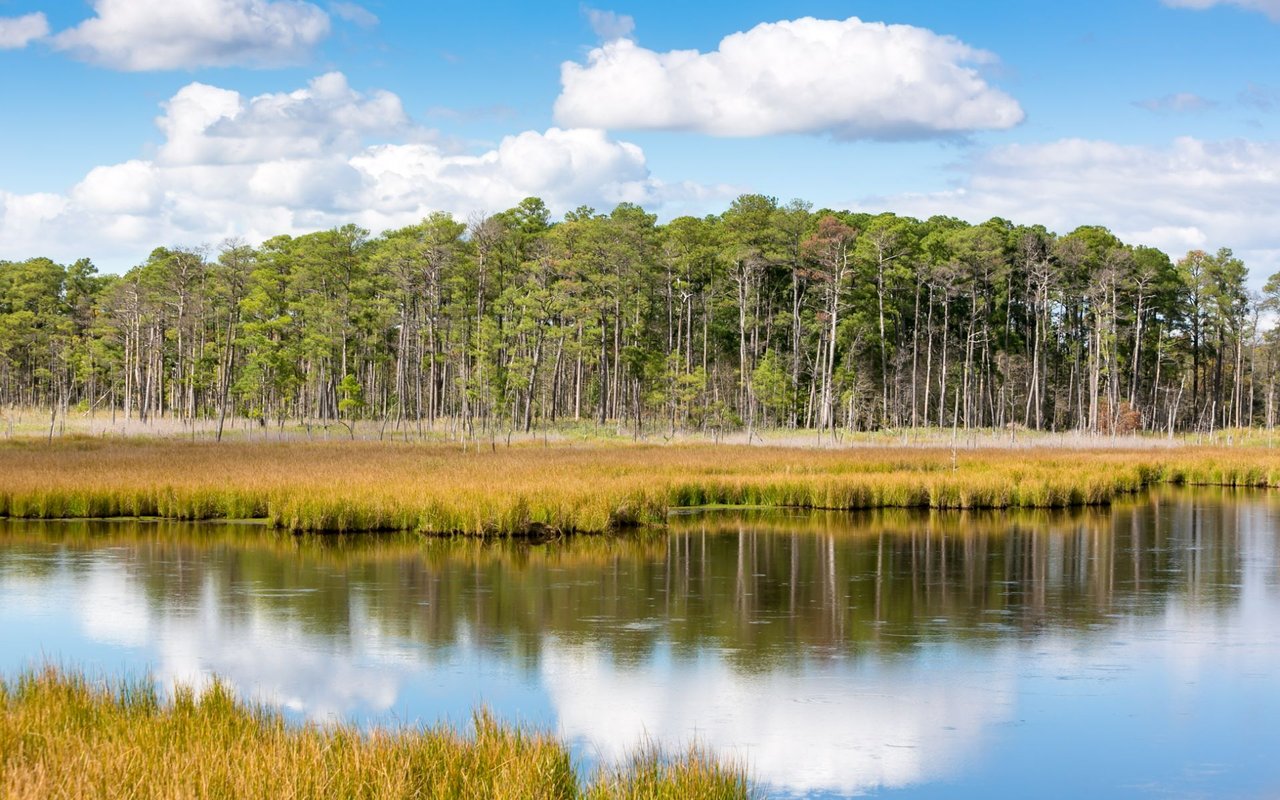
Tuckahoe Creek itself forms a pristine tidal water trail. The marshy, slow-moving water is well suited to kayaking and canoeing, with quiet inlets framed by bald cypress, lotus beds, and active wildlife habitat. It's one of the most underrated paddling runs on the Shore.
Lake Tuckahoe, a 28-acre lake within the park system along the creek, provides public access for non-motorized boating and freshwater fishing for bass, bluegill, and crappie. The adjacent Adkins Arboretum adds native plant gardens and additional walking trails.
Wye Island Natural Resources Management Area sits just west of Cordova near Queenstown. This 2,800-acre island between the Wye River and Wye East River is a premier destination for waterfowl hunting, trail walks through old-growth hardwood forest, and gravel cycling.
Hunting and wildlife. Thousands of acres of contiguous farmland, timber tracts, and wetlands make Cordova a serious center for waterfowl hunting — Canada geese and ducks — as well as white-tailed deer. Access comes through private farm leases and nearby state wildlife management areas, and for many buyers, hunting access on their own land is a primary purchase driver.
Cordova's rural footprint keeps commercial development minimal, and residents structure their errands accordingly.
Day to day, the community relies on countryside general stores, roadside produce stands like Crystal Dawn Produce, and farm-direct market tables selling sweet corn, tomatoes, and seasonal produce. During the growing season, some of the best food available is sold from a folding table a few minutes from your driveway.
For routine shopping, a ten to fifteen minute drive into Easton or Queenstown covers everything. Regional grocery chains including Harris Teeter, Giant, and Safeway, big-box retailers like Target and Walmart, Tractor Supply Co. for farm needs, and full home improvement centers all sit within that radius.
Dining is where proximity to Easton pays real dividends. Cordova itself is purely residential and agricultural, but it borders one of the Eastern Shore's strongest culinary destinations. Easton's historic downtown carries upscale farm-to-table restaurants, local seafood houses, craft breweries, casual diners, and independent bakeries — a range that would be remarkable in a town three times its size.
Living in the county's agricultural heartland also means direct access to the seasonal Easton Farmers Market, one of the oldest continuously operating open-air markets in Maryland, where Cordova-area producers sell locally raised meats, organic produce, and artisanal foods.
Cordova's road access is straightforward, built around three main corridors.
MD-309 serves as the spine of the community, running south into Easton in about ten minutes and north toward Queen Anne and Centreville. US-50, reached easily through Easton, is the main artery west across the Chesapeake Bay Bridge or east toward Cambridge and Ocean City. MD-404, just north of Cordova, provides a direct inland route toward the Delaware beaches and I-95 connections.
Typical off-peak drive times:
Destination | Drive Time |
|---|---|
Easton | 10–15 minutes |
Centreville | 15–20 minutes |
Chesapeake Bay Bridge (Kent Island) | 30–35 minutes |
Annapolis | 45–50 minutes |
Baltimore / Washington, D.C. | 1 hr 15 min – 1 hr 30 min |
Two practical notes for commuters. First, Bay Bridge congestion is real and seasonal — westbound weekday mornings and eastbound summer weekends along US-50 can add significant time to any crossing. Second, commuters working across the bridge frequently use Park-and-Ride lots in Queenstown or on Kent Island to catch regional MTA commuter buses into Annapolis and Washington, which turns a difficult drive into a workable routine.
Cordova isn't the right fit for every buyer, and being direct about that saves everyone time. The community tends to suit five profiles particularly well.
Acreage seekers and hobby farmers who want multiple acres, workable soil, room for large gardens or outbuildings, and freedom from restrictive HOA oversight.
Equestrian and outdoor enthusiasts — horse owners, trail riders, hunters, and paddlers — who value immediate proximity to Tuckahoe State Park, the Wye River waterways, and thousands of acres of open rural land.
Hybrid and remote workers who want privacy, quiet, and dark skies through the week while retaining realistic access to Annapolis, Washington, or Baltimore for the days when the office isn't optional.
Families seeking small-town roots in a close-knit agricultural community organized around institutions like Chapel District Elementary and the volunteer fire department.
Value-focused buyers near Easton who want to stay minutes from the region's health systems, dining, and cultural life while getting considerably more land and square footage for their investment.
Buyers who want walkable amenities, municipal water and sewer, or an active social scene within walking distance will likely be happier in Easton or one of the waterfront towns. That's not a knock on Cordova — it's simply a different product.
Buying in Cordova rewards local knowledge. Well and septic condition, soil perc results, agricultural preservation easements, hunting and farm lease arrangements, and internet availability all vary parcel by parcel, and the difference between a smooth closing and a difficult one usually comes down to knowing what to ask before you write the offer. With inventory this tight, it also helps to have someone watching the market who hears about properties early.
Benson & Mangold Real Estate has served Maryland's Eastern Shore for more than sixty years and closed over $650 million in sales in 2025, making us the Mid-Shore's number one real estate firm. Locally owned and independently operated, we serve Talbot, Queen Anne's, Dorchester, Caroline, and Kent Counties from eight offices across the region, with more than ninety agents averaging two decades of experience in residential, waterfront, luxury estate, and farm transactions. Whether you're searching for a working farm, an equestrian property, a restored farmhouse, or land to build on, we can help you evaluate it properly.
To start a conversation about Cordova, contact Benson & Mangold Real Estate at (410) 822-1415 or [email protected], or visit our office at 27999 Oxford Rd, Oxford, MD 21654. We'd be glad to help you find the right piece of the Eastern Shore.
There's plenty to do around Cordova, including shopping, dining, nightlife, parks, and more. Data provided by Walk Score and Yelp.
Explore popular things to do in the area, including Allen Harim Foods, Tuckahoe Seafood, and Councell Farms.
| Name | Category | Distance | Reviews |
Ratings by
Yelp
|
|---|---|---|---|---|
| Dining | 0.61 miles | 0 reviews | 0/5 stars | |
| Dining · $$ | 0.72 miles | 11 reviews | 4.5/5 stars | |
| Dining · $$ | 3.71 miles | 10 reviews | 4.5/5 stars | |
| Active | 0.38 miles | 0 reviews | 0/5 stars | |
| Active | 1.66 miles | 31 reviews | 1.2/5 stars | |
| Active | 1.83 miles | 0 reviews | 0/5 stars | |
|
|
||||
|
|
||||
|
|
||||
|
|
||||
|
|
||||
|
|
Cordova has 605 households, with an average household size of 3.04. Data provided by the U.S. Census Bureau. Here’s what the people living in Cordova do for work — and how long it takes them to get there. Data provided by the U.S. Census Bureau. 1,837 people call Cordova home. The population density is 45 and the largest age group is Data provided by the U.S. Census Bureau.
Total Population
Population Density Population Density This is the number of people per square mile in a neighborhood.
Median Age
Men vs Women
Population by Age Group
0-9 Years
10-17 Years
18-24 Years
25-64 Years
65-74 Years
75+ Years
Education Level
Total Households
Average Household Size
Average individual Income
Households with Children
With Children:
Without Children:
Blue vs White Collar Workers
Blue Collar:
White Collar: