By Benson & Mangold
You do not need to empty your closets overnight or move into a tiny house to feel the benefits of minimalism. Most people who embrace a simpler lifestyle start small, with a single drawer or one nagging pile of mail, and discover that the calm they gain is worth far more than the objects they let go. Minimalism is less about owning almost nothing and more about making room for what actually matters to you.
If you live in Easton or anywhere along Maryland's Eastern Shore, you already know the appeal of slowing down and appreciating your surroundings. A minimalist approach brings that same sense of ease indoors, turning your home into a place that feels open, restful, and easy to maintain. The goal is not a stark, empty space but an intentional one, where everything you keep has a purpose or brings you joy.
This guide will walk you through practical, everyday ways to fold minimalism into your routines, your rooms, and even your calendar. You will find approaches you can begin today, along with habits that keep clutter from creeping back once you have done the work.
Key Takeaways
- Minimalism is about keeping what adds value to your life, not necessarily about owning as little as possible.
- Starting with one small space builds momentum and makes the larger project feel achievable.
- Daily habits matter more than one big purge, so build routines that prevent clutter from returning.
- Being thoughtful about what you bring home is the most effective way to maintain a simpler space.
- Minimalism extends beyond physical objects into your schedule, your digital life, and your peace of mind.
Start With One Space at a Time
The fastest way to abandon a minimalist goal is to tackle your entire home in a single weekend. When you try to sort through every room at once, the mess often looks worse before it looks better, and the discouragement can stop you cold. A far more sustainable approach is to choose one small, contained area and finish it completely before moving on.
Pick a spot you use every day, such as a kitchen counter, a bathroom cabinet, or the surface of your nightstand. Clear it entirely, wipe it down, and then return only the items you use or love. Seeing one clean, open surface gives you a tangible sense of progress and a preview of how the rest of your home could feel. That small win tends to motivate the next step far more effectively than a vague plan to "get organized someday."
As you work through each area, keep three simple categories in mind: keep, discard, or donate. This framework removes the guesswork and speeds up decisions that might otherwise stall you.
Pick a spot you use every day, such as a kitchen counter, a bathroom cabinet, or the surface of your nightstand. Clear it entirely, wipe it down, and then return only the items you use or love. Seeing one clean, open surface gives you a tangible sense of progress and a preview of how the rest of your home could feel. That small win tends to motivate the next step far more effectively than a vague plan to "get organized someday."
As you work through each area, keep three simple categories in mind: keep, discard, or donate. This framework removes the guesswork and speeds up decisions that might otherwise stall you.
How To Sort What You Own
- Keep the items you use regularly or those that hold real meaning for you.
- Donate or sell anything in good condition that no longer fits your life.
- Recycle or discard items that are broken, expired, or beyond repair.
Working in short sessions of twenty to thirty minutes keeps the process from feeling overwhelming. You can complete a drawer during a coffee break or a shelf before dinner, and those small efforts add up quickly. By the time you finish one room, you will have a rhythm that makes the next one far easier.
Build Habits That Keep Clutter From Returning
Clearing out your home is only half the work. Without new habits in place, the same clutter tends to return within a few months, leaving you back where you started. The people who maintain a minimalist home long term are not necessarily tidier by nature; they simply follow a few consistent routines that stop the mess before it builds.
One of the most effective habits is the daily reset. Spend ten minutes each evening returning items to their homes, clearing off counters, and dealing with the day's mail. When you start each morning with clear surfaces, your space feels calm and your mind follows. This small ritual prevents the slow accumulation that turns a tidy room into a cluttered one.
Another powerful practice is to give every item a designated place. When everything has a home, putting belongings away becomes automatic rather than a chore you postpone. If you find an object that has no logical place, that is often a sign that it does not belong in your home at all. These routines take minutes rather than hours, and they compound over time. Once they become second nature, maintaining a simple home feels effortless.
One of the most effective habits is the daily reset. Spend ten minutes each evening returning items to their homes, clearing off counters, and dealing with the day's mail. When you start each morning with clear surfaces, your space feels calm and your mind follows. This small ritual prevents the slow accumulation that turns a tidy room into a cluttered one.
Another powerful practice is to give every item a designated place. When everything has a home, putting belongings away becomes automatic rather than a chore you postpone. If you find an object that has no logical place, that is often a sign that it does not belong in your home at all. These routines take minutes rather than hours, and they compound over time. Once they become second nature, maintaining a simple home feels effortless.
Daily Routines That Keep Spaces Clear
- Complete a ten-minute tidying session each evening so that mornings start fresh.
- Handle mail and paperwork the day it arrives to prevent paper piles.
- Return items to their assigned spot immediately after using them.
- Do a quick monthly check of one area to catch clutter before it grows.
Rethink What You Bring Into Your Home
The most reliable way to keep a home minimal is to be intentional about what enters it in the first place. Every item you bring home requires space, upkeep, and attention, so a moment of thought at the point of purchase saves hours of organizing later. This shift in mindset is what separates a one-time cleanout from a lasting lifestyle.
Before buying something new, pause and ask whether you truly need it, where it will live, and whether it earns its place. Many purchases are driven by a passing impulse rather than a real need, and giving yourself a short waiting period often reveals that the urge fades on its own. This is especially helpful with clothing, gadgets, and decorative items that tend to pile up unnoticed.
Adopting a one-in, one-out approach also keeps your belongings in balance. When you bring home a new sweater, let an older one go; when you buy a new kitchen tool, retire one you no longer reach for. This simple rule keeps your possessions steady rather than steadily climbing. Over time, this thoughtful approach reshapes your relationship with belongings. You spend less, waste less, and surround yourself only with things that genuinely serve you, which is the heart of what minimalism offers.
Before buying something new, pause and ask whether you truly need it, where it will live, and whether it earns its place. Many purchases are driven by a passing impulse rather than a real need, and giving yourself a short waiting period often reveals that the urge fades on its own. This is especially helpful with clothing, gadgets, and decorative items that tend to pile up unnoticed.
Adopting a one-in, one-out approach also keeps your belongings in balance. When you bring home a new sweater, let an older one go; when you buy a new kitchen tool, retire one you no longer reach for. This simple rule keeps your possessions steady rather than steadily climbing. Over time, this thoughtful approach reshapes your relationship with belongings. You spend less, waste less, and surround yourself only with things that genuinely serve you, which is the heart of what minimalism offers.
Questions To Ask Before Buying
- Do I have a clear place to store this item in my home?
- Will I use this often enough to justify the space it takes?
- Am I replacing something, or simply adding to what I already own?
- Would I rather have this object or the open space and calm of going without it?
Extend Minimalism Beyond Physical Objects
Minimalism is often pictured as a tidy room, but its most meaningful benefits reach well beyond what you can see. The same principles that clear your countertops can simplify your schedule, your screens, and your sense of daily calm.
Start with your calendar. Just as physical clutter drains a room, an overbooked schedule drains your energy and attention. Look honestly at your commitments and let go of the ones that no longer serve you, so you protect time for rest and the activities you value most. Saying no to a few things frees you to say yes to what matters.
Your digital life deserves the same care. Notifications, overflowing inboxes, and crowded home screens create a low hum of stress that is easy to overlook. Unsubscribing from unwanted emails, silencing nonessential alerts, and organizing your files can bring the same relief as clearing a messy closet.
When you apply minimalism across these areas, the effect is cumulative. A clear home, an open schedule, and a calm digital space work together to create a life that feels lighter and more intentional. That sense of ease is the real reward.
Start with your calendar. Just as physical clutter drains a room, an overbooked schedule drains your energy and attention. Look honestly at your commitments and let go of the ones that no longer serve you, so you protect time for rest and the activities you value most. Saying no to a few things frees you to say yes to what matters.
Your digital life deserves the same care. Notifications, overflowing inboxes, and crowded home screens create a low hum of stress that is easy to overlook. Unsubscribing from unwanted emails, silencing nonessential alerts, and organizing your files can bring the same relief as clearing a messy closet.
When you apply minimalism across these areas, the effect is cumulative. A clear home, an open schedule, and a calm digital space work together to create a life that feels lighter and more intentional. That sense of ease is the real reward.
Areas To Simplify Beyond Your Home
- Trim your calendar so that you protect time for rest and the people you care about.
- Clear digital clutter, including old files, unused apps, and unnecessary notifications.
- Reduce subscriptions and recurring commitments you no longer use or enjoy.
- Build in quiet moments each day to reset your focus and lower everyday stress.
FAQs
What Is the Best Way to Start Living More Minimally?
The best starting point is a small, contained space you see every day, such as a nightstand or a bathroom counter. Clearing one area completely gives you a quick, visible win that motivates you to keep going. From there, you can work through your home one manageable section at a time rather than attempting everything at once.
Does Minimalism Mean Getting Rid of Everything I Own?
Not at all. Minimalism is about keeping what adds value to your life and releasing what does not, so the right amount looks different for everyone. You can love books, art, or hobbies that require gear and still live minimally, as long as those items earn their place and bring you joy.
Can a Minimalist Home Still Feel Warm and Inviting?
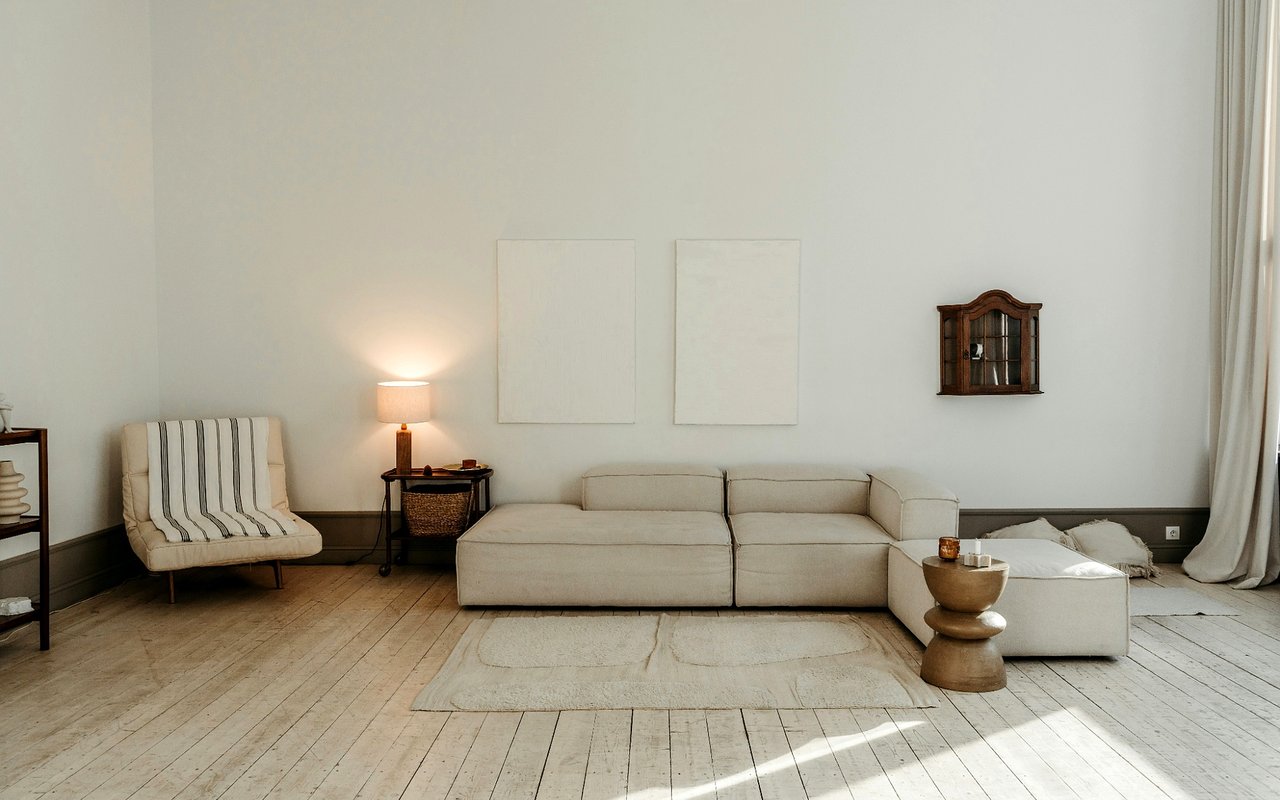
A minimalist home is often warmer than a cluttered one because the pieces you keep have room to stand out. Soft textures, natural light, meaningful art, and a few well-chosen objects create comfort without crowding. The goal is a space that feels open and restful, not cold or empty.
How Does Minimalism Help When Preparing to Sell a Home?
A pared-down, well-organized home photographs beautifully and lets buyers picture themselves in the space. Clear surfaces and open rooms make a property feel larger and more move-in ready, which often translates to stronger interest. If you are thinking about listing, starting your minimalist habits early makes the eventual preparation far smoother.
Living Well With Less on the Eastern Shore
Minimalism is not a destination you reach once and forget; it is a set of small, repeatable choices that gradually reshape how your home and your days feel. Each cleared surface, each thoughtful purchase, and each protected hour on your calendar adds up to a life with more room for what you truly value.
Whenever you are ready to make a move on the Eastern Shore, our team at Benson & Mangold is here to help you find a home in Easton, MD, that supports the calm, purposeful life you are building. Reach out to us today, and let us guide you every step of the way.
Whenever you are ready to make a move on the Eastern Shore, our team at Benson & Mangold is here to help you find a home in Easton, MD, that supports the calm, purposeful life you are building. Reach out to us today, and let us guide you every step of the way.