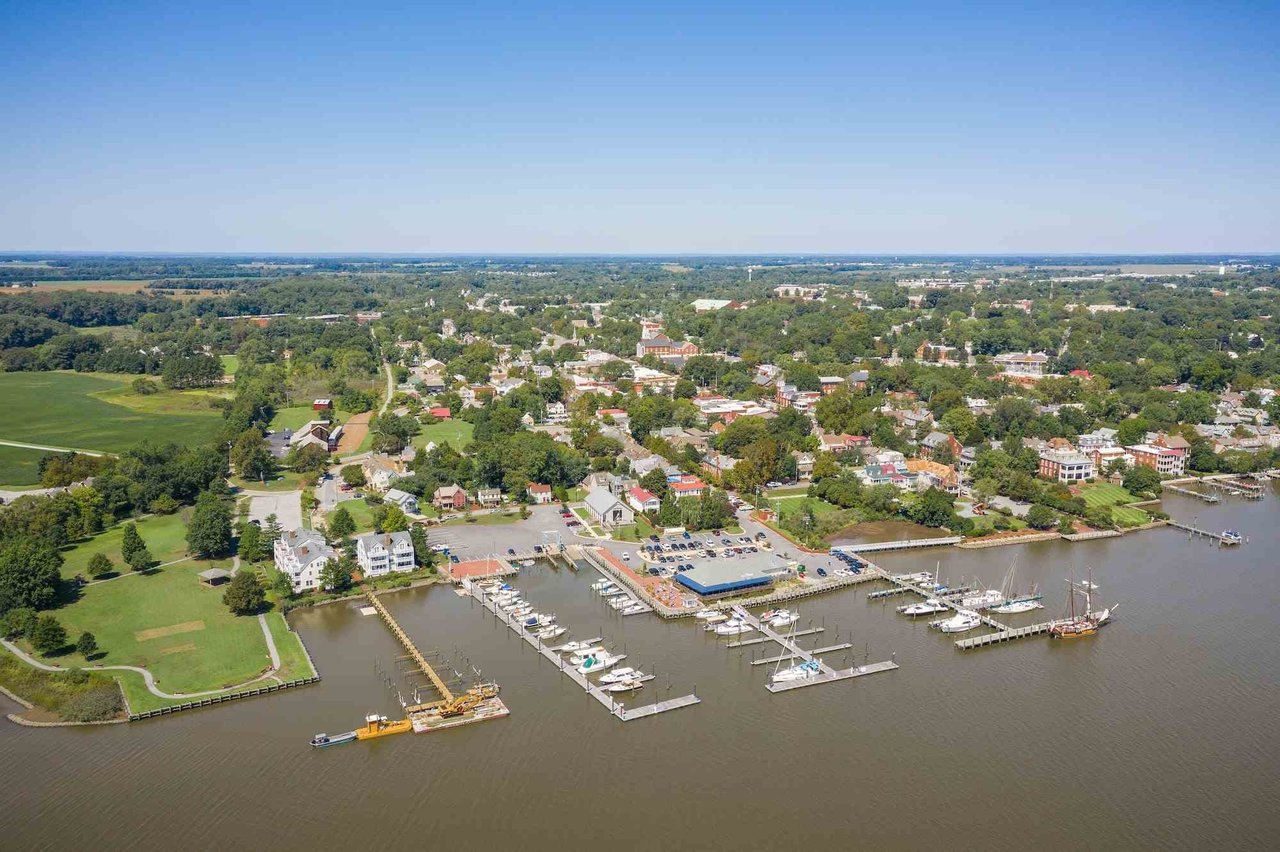
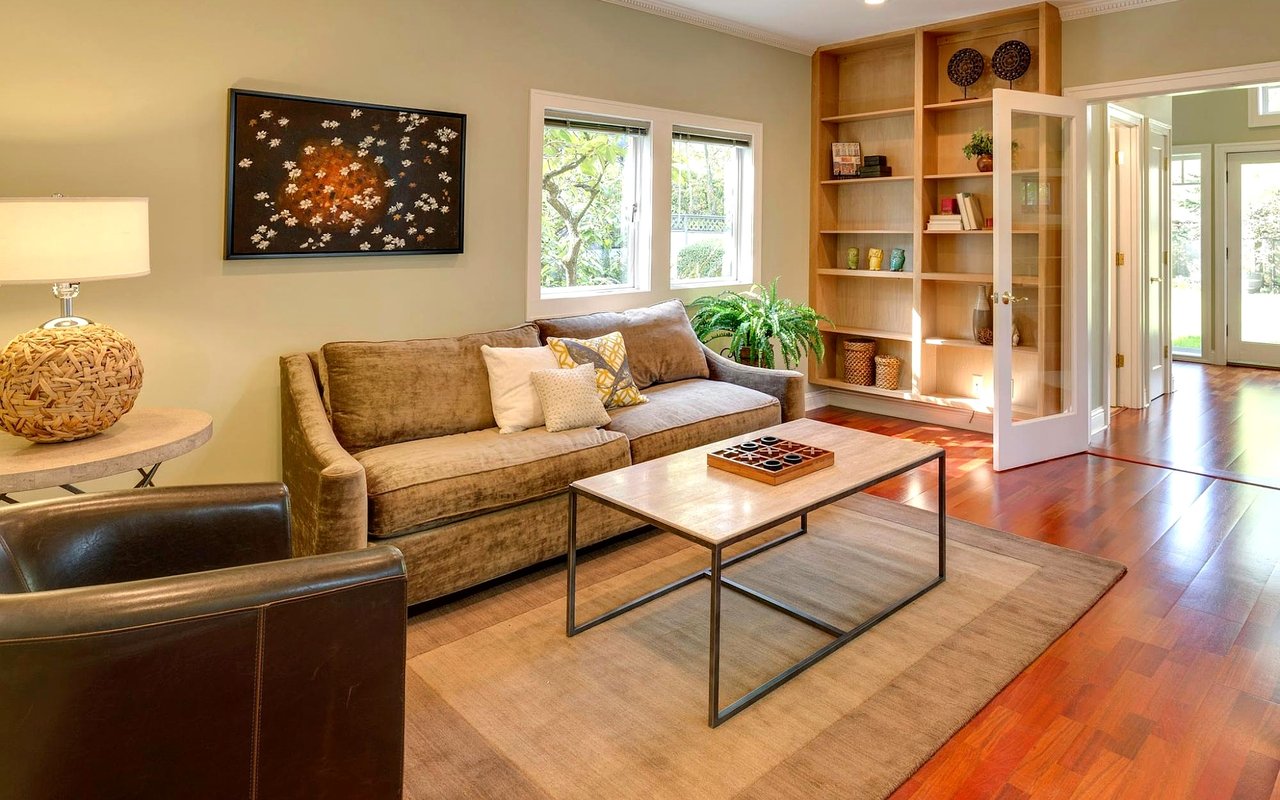
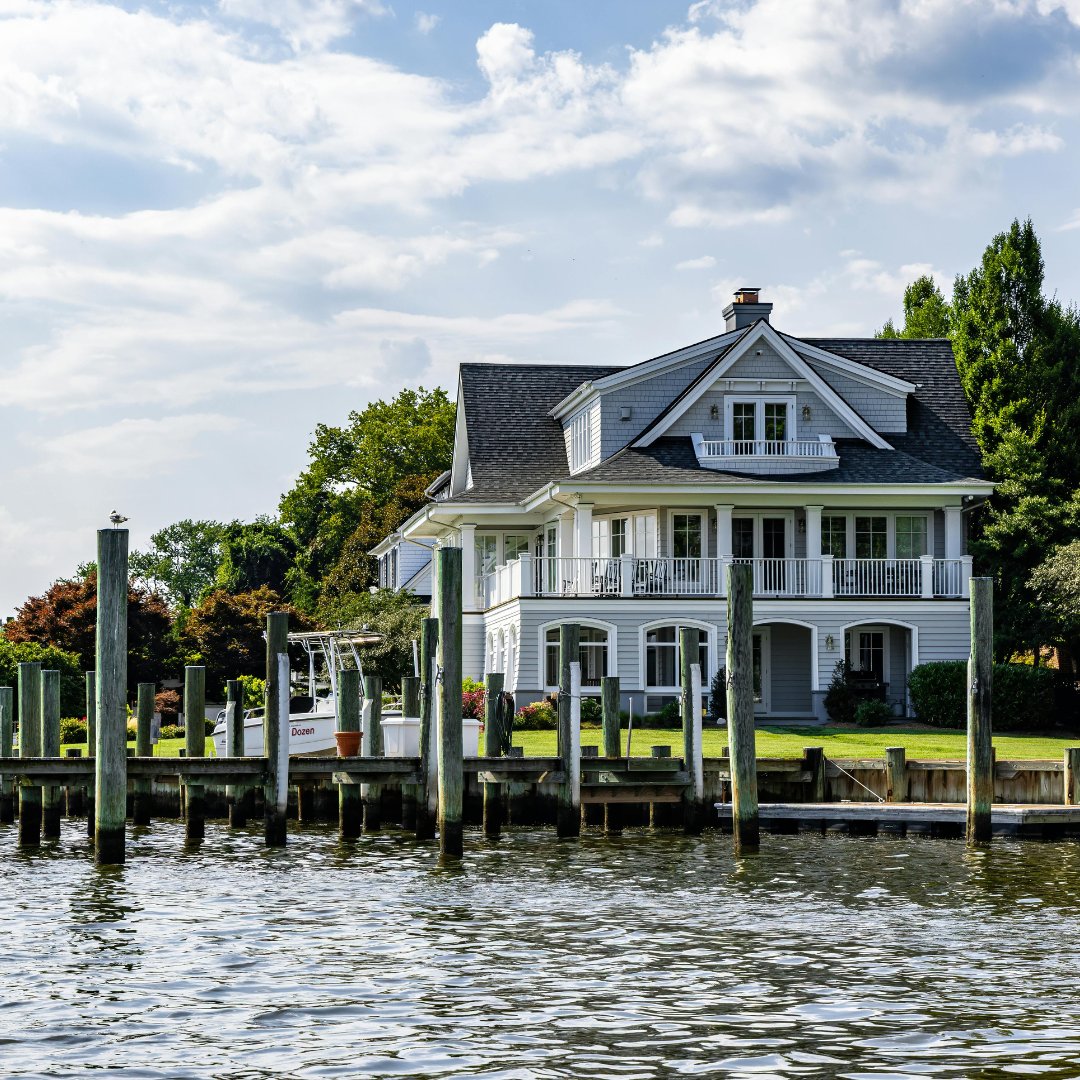
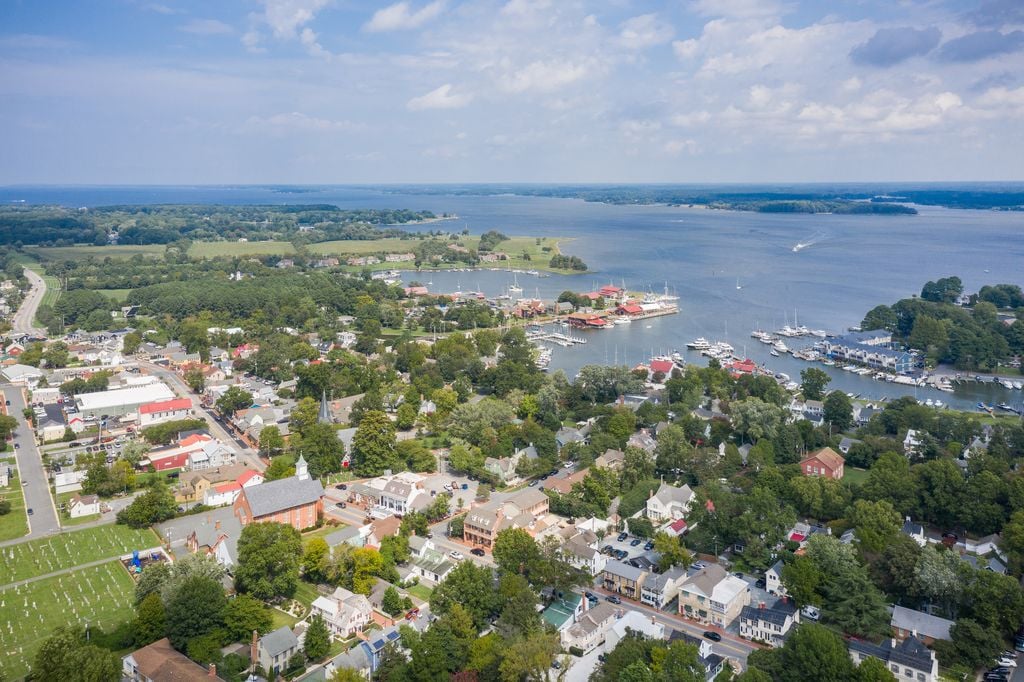
Condos & Townhomes for Sale in Easton, MD
Available Condos & Townhomes in Easton, MD
By the Numbers
Condo/Townhome Market of Easton
The Easton, Maryland land market in early 2026 is characterized by significant price-per-acre variance and a relatively steady supply of specialized lots. While residential home prices have seen some softening, the land market remains distinct due to its mix of high-value waterfront estates and smaller inland residential lots.
Why Get Condos/Townhomes in Easton, MD
-
Distinct Market Value and Affordability
With a median sale price hovering around $403,200, Easton’s attached homes offer an incredibly accessible entry point into the highly desirable Eastern Shore lifestyle. This pricing represents a significant discount compared to neighboring waterfront estates or the soaring property markets of nearby Annapolis.
-
Low-Maintenance, Lock-and-Leave Convenience
Choosing a condo or townhome in Easton completely eliminates the grueling exterior upkeep, structural roof repairs, and extensive landscaping that standalone historical properties demand. This allows busy professionals, frequent travelers, and retirees to enjoy a worry-free lifestyle where common area maintenance is entirely handled by the homeowners' association.
-
High Walkability to a Historic Downtown District
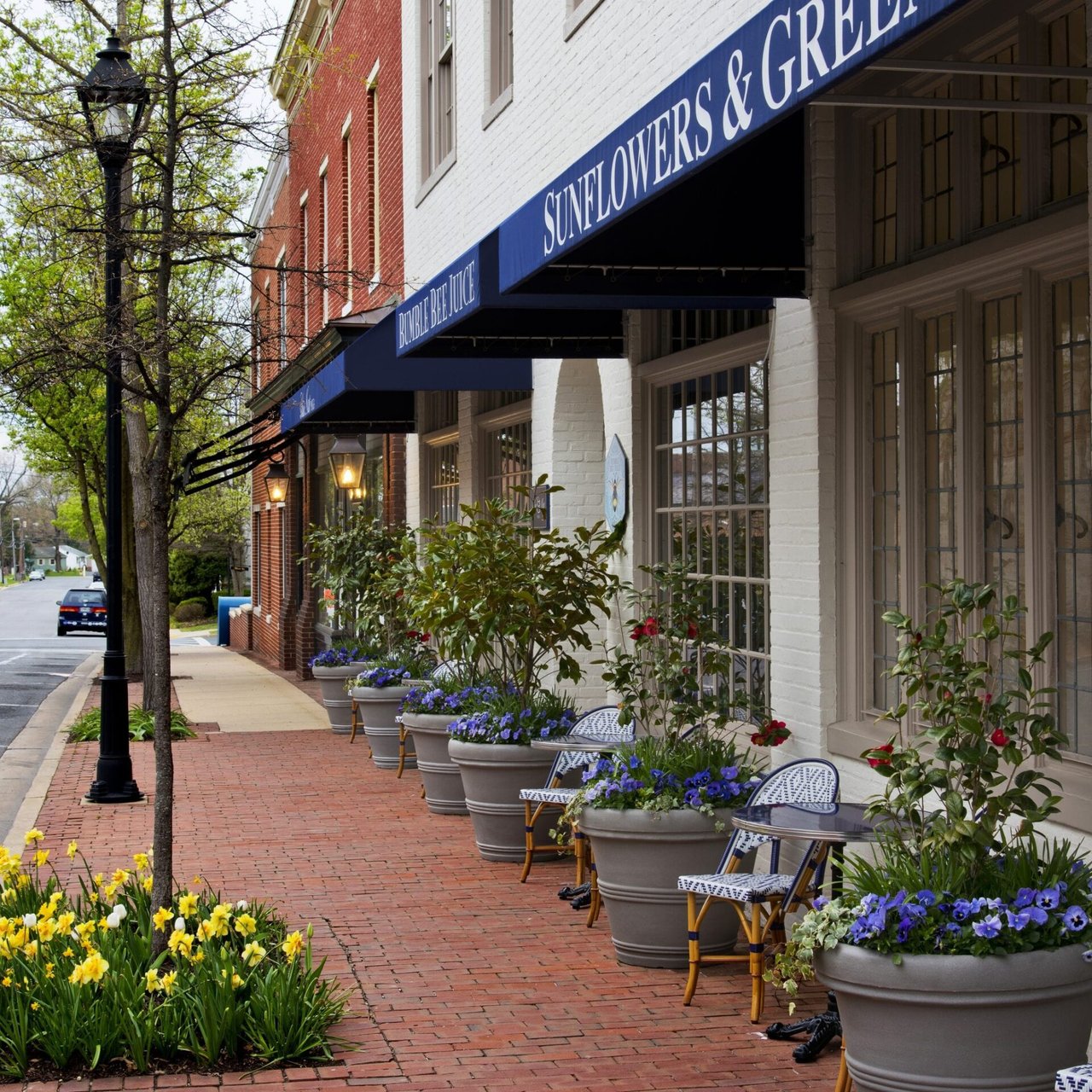
Many of Easton's premium multi-family communities are located just steps away from the town's vibrant, historic core. Buyers can easily walk to award-winning restaurants, local art galleries, boutique shops, and the famous Avalon Theatre without ever needing to rely on a car.
-
Direct Access to a Thriving Arts and Culture Scene
Living in Easton places you at the cultural heart of Talbot County, an area celebrated for its year-round community events, music festivals, and Plein Air art competitions. Condos and townhomes serve as the perfect base for individuals wanting to immerse themselves in a sophisticated small-town social scene.
-
Seamless Proximity to Waterfront Recreations
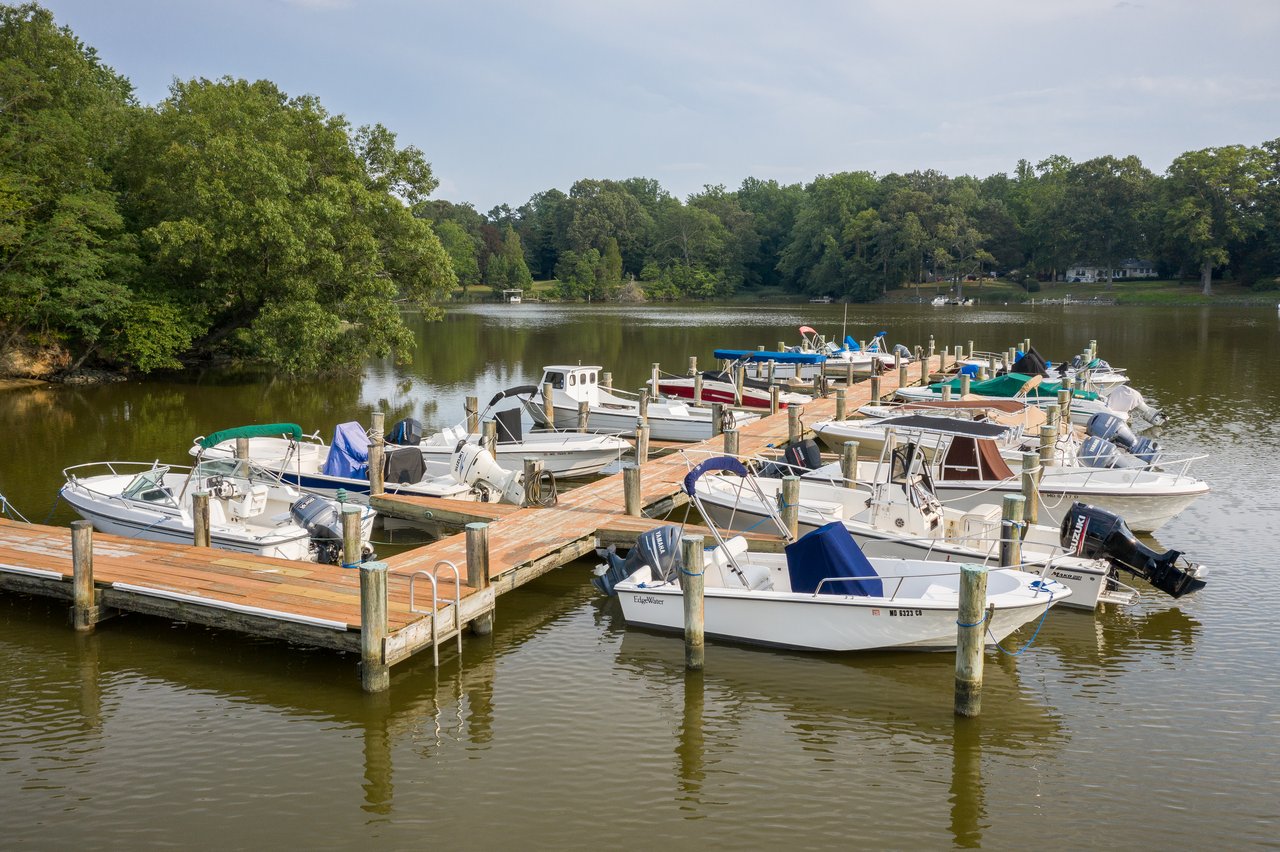
While townhomes sit inland, residents are only a few minutes' drive from premium marinas, public boat launches, and scenic kayak trails along the Miles and Tred Avon rivers. This offers the ultimate balance of coastal recreation and maritime activities without the heavy insurance premiums and high maintenance costs of direct waterfront living.
-
Strong Long-Term Investment and Rental Potential
Easton’s steady economic appeal and its status as a top retirement destination drive a constant, highly reliable demand for local housing. Because a 4.8-month supply currently gives buyers excellent negotiating leverage, securing a well-priced townhome now positions your portfolio perfectly for future equity growth and steady rental yields.
What to Consider When Getting Condos/Townhomes for Sale in Easton, MD
When you are exploring the condominium and townhome market in Easton, Maryland, you quickly realize this historic town operates on very localized geographic, structural, and institutional rules. It is vastly different from buying a typical cookie-cutter attached unit in standard suburban or metropolitan developments.
If your townhome or condominium community is located within the borders of the local Easton Historic District, your property is governed by strict local preservation ordinances alongside standard HOA rules. Even though your association handles general exterior landscaping, any visual alterations you make to your unit—such as replacing windows, selecting storm doors, updating light fixtures, or installing exterior HVAC units visible from a public walkway—require a formal application and a Certificate of Appropriateness from the Easton Historic District Commission. This multi-layered approval process can heavily impact renovation timelines and material budgets, making it imperative to verify whether the unit you are eye-marking falls within this historic overlay zone.
The placement of a multi-family neighborhood in the Easton area dictates a distinct difference in your annual carrying costs. Properties sitting cleanly inside the town's incorporated limits are subject to a dual property tax model, paying a combined rate that includes the Talbot County tax, the State of Maryland tax, and the specific Town of Easton municipal tax. Conversely, attached communities located just beyond these boundaries pay an unincorporated county rate which features a slightly adjusted county tax but entirely avoids the municipal levy. Understanding exactly where your property line sits on the town boundary map is essential for calculating your long-term, true monthly housing costs.
Because Easton is deeply intertwined with the Chesapeake Bay watershed, multi-family developments built near the Tred Avon River or localized tributaries are bound by Maryland's stringent Critical Area Act. For townhomes located within 1,000 feet of tidal waters, this environmental overlay enforces zero-tolerance caps on expanding "impervious surfaces," meaning you cannot add a private concrete patio, expand an existing deck, or build a detached shed on your townhouse footprint without complex municipal variances. If you want a unit that allows you to easily modify your immediate outdoor space, analyzing the community's environmental boundary lines is an indispensable step.
The Town of Easton manages its municipal utilities and services independently, applying unique line-item fees to multi-family properties that you will not find in surrounding rural or suburban districts. On your annual real property tax bill, the town assesses designated municipal refuse and recycling fees specifically coded for multi-family units, which differ fundamentally from single-family residential rates. Additionally, buyers must investigate the structural configuration of utility hookups, as several older attached developments utilize shared master meters or complex community lift stations for sewage, directly impacting how your individual HOA calculates monthly infrastructure reserves.
For buyers interested in older historic townhomes or converted properties, Easton offers a rare financial benefit through the Maryland Historical Trust. If your home is officially registered as a "contributing resource" to the historic district, your structural upgrades and certified rehabilitation work could qualify you for a 20% state income tax credit. This serves as an exceptional financial offset for the premium material costs mandated by the Historic District Commission, but navigating the strict pre-approval application sequence requires specialized real estate insight before any physical work begins on the property.
Because Easton serves as a premium tourist destination and gateway to the Eastern Shore, local HOAs guard their community environments vigilantly against transient occupancy. While the town enforces its own strict principal-residence rules for short-term rentals, individual condo and townhome associations in Easton frequently add complete prohibitions against leases shorter than 30 or 90 days to protect local parking and dock amenities. If your long-term plan involves leveraging your property as a seasonal maritime getaway or a corporate rental during the famous Fall Waterfowl Festival, a meticulous deep-dive into the community’s strict declaration of covenants is required to avoid severe legal fines.
Find Your Easton Condo or Townhouse Today
Whether you're searching for a low-maintenance condo near downtown Easton or a spacious townhouse with room to grow, our team knows this market inside and out. Have questions about availability, pricing, or what's coming soon? We're here to help you find the right fit. Reach out today to start the conversation or schedule a private showing.